
Judge
“One who rules, decides, or judges; from shaphat, to judge or govern”
Summary
A person appointed to administer justice by deciding disputes and enforcing the law; in Israel, this term applied both to civil magistrates and to the charismatic leaders who delivered Israel from oppression during the period between Joshua and the monarchy.
☩Hebrew Terms and Etymology
The primary Hebrew word for judge is שׁוֹפֵט (shophet), usually found in the plural שׁוֹפְטִים (shophetim), meaning rulers or magistrates, derived from שָׁפַט (shaphat), to judge. This term differs from דַּיָּן (dayyan), meaning 'to try a cause.' The Greek equivalent in the New Testament is κριτής (krites), as in Acts 13:20 and Josephus's usage. In two passages (Exodus 21:6; 22:8), Hebrew magistrates are remarkably called אֱלֹהִים (elohim), 'gods,' a usage referenced in Psalm 82:1, 6 and John 10:34, indicating the sacred nature of the judicial office as representing divine authority. In Daniel 3:2-3, a different Chaldean term אֲדַרְגָּזְרַיָּא (adargaz'rayya) designates 'chief judges.'
☩Origins of Judicial Office in Israel
In early patriarchal times, the heads of families and tribal elders served as judges, their authority based on custom. Such patriarchal seniors had the requisite leisure, could make their decisions respected, and decided with fuller experience gained through their wider intercourse. The book of Job portrays the patriarchal magnate going forth 'to the gate' amid the respectful silence of elders, princes, and nobles (Job 29:7-9). During the Egyptian oppression, the nascent people had few legal disputes, with Egyptian magistrates handling matters of theft and violence. Yet even then, 'a prince' and 'a judge' were connected in popular thought (Exodus 2:14). When Israel emerged as a nation, Moses initially bore the entire burden of judicature, until Jethro advised him to institute judges over numerically graduated sections—rulers of thousands, hundreds, fifties, and tens (Exodus 18:13-26). These were chosen for moral fitness from among the patriarchal seniors (Deuteronomy 1:15-16).
☩The Period of the Judges
The name 'judge' is especially applied to those persons who presided over Israel's affairs during approximately four and a half centuries between the death of Joshua and the accession of Saul, as recounted in the book of Judges and referenced by Paul in Acts 13:20. These judges, fifteen in number, were: (1) Othniel, (2) Ehud, (3) Shamgar, (4) Deborah and Barak, (5) Gideon, (6) Abimelech, (7) Tola, (8) Jair, (9) Jephthah, (10) Ibzan, (11) Elon, (12) Abdon, (13) Samson, (14) Eli, and (15) Samuel. During this period, when there was no king in Israel, justice was administered by those who had risen by wisdom or valor to leadership (Judges 4:5). Samuel established an organized circuit court, judging cases himself and appointing his sons as judges (1 Samuel 7:16; 8:1).
☩Development Under the Monarchy
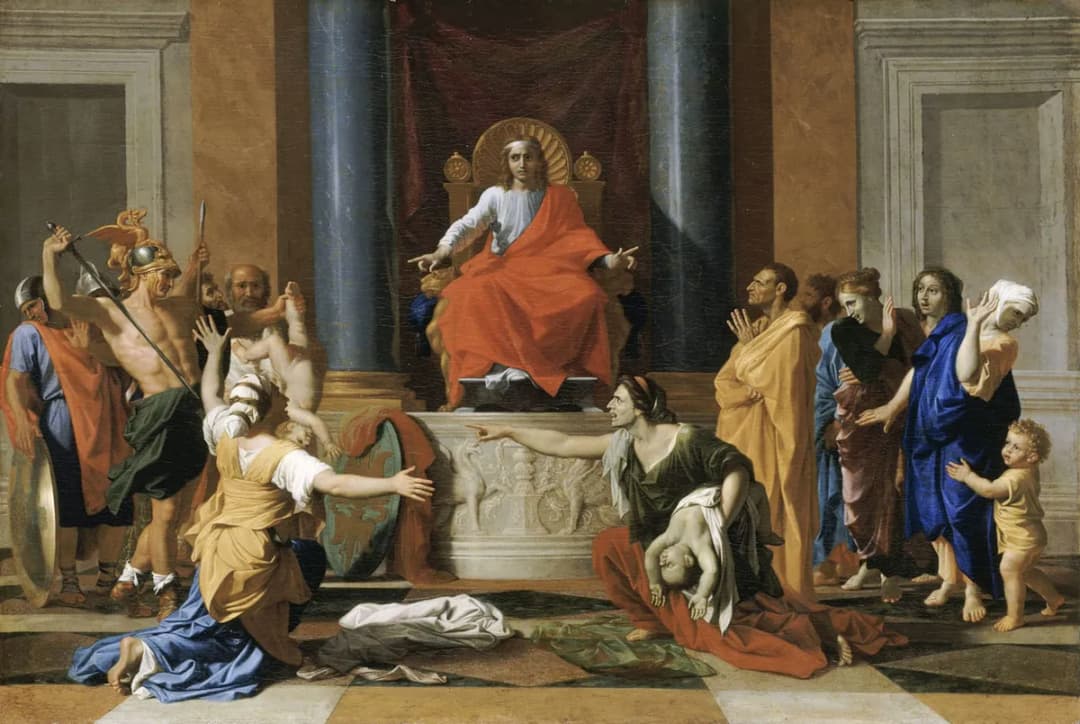
After the monarchy was instituted, the king himself tried cases when requested, sitting in the palace gate to hear disputes (1 Kings 7:7; Proverbs 20:8). There was no public prosecutor; wronged persons brought their cases directly to the king (2 Samuel 14:4; 15:2-6; 1 Kings 3:16). Under David and Solomon, local courts were likely established (1 Chronicles 23:4; 26:29). Jehoshaphat organized a high court of justice (2 Chronicles 19:8). The prophets frequently complained that the purity of justice was corrupted by bribery and false witness (Isaiah 1:23; 5:23; Amos 5:12; Micah 3:11; 7:3). Even kings sometimes pronounced unjust sentences, and an evil king could bend local courts to his will, as in the case of Naboth's vineyard (1 Kings 21:1-13).
☩Duties and Standards for Judges
The first duty of a judge was to execute absolute justice, showing the same impartiality to rich and poor, to Jew and foreigner. Judges were forbidden to accept bribes or wrest the judgment of the poor (Exodus 23:6-8; Deuteronomy 16:19). They must not be swayed by popular opinion or unduly favor the poor (Exodus 23:2-3). The court was open to the public (Exodus 18:13; Ruth 4:1-2). Each party presented their view of the case to the judge (Deuteronomy 1:16; 25:1). In criminal cases, not fewer than two witnesses were required (Deuteronomy 19:15; Numbers 35:30; Deuteronomy 17:6; cf. Matthew 18:16; 2 Corinthians 13:1). In non-criminal cases, the oath could be applied (Exodus 22:11; cf. Hebrews 6:16). When the law was unclear, recourse was made to the divine oracle (Leviticus 24:12; Numbers 15:34).
☩The Sacred Character of the Office
The judge was reckoned a sacred person, protected even from verbal injuries. Seeking a decision at law is called 'inquiring of God' (Exodus 18:15). The term 'gods' applied to judges (Exodus 21:6; Psalm 82:1, 6) elevated the office while upholding the divine source of justice. The judge was told, 'Thou shalt not be afraid of the face of men, for the judgment is God's' (Deuteronomy 1:17). Thus, while human instrumentality was indispensable, the source of justice was upheld as divine, and the purity of its administration only declined with the waning of religious feeling. Psalm 82 stands as a lofty charge addressed to all who judge, and the qualities regarded as essential at the institution of the office included fear of God, trustworthiness, and hatred of dishonest gain (Exodus 18:21).
☩New Testament Teaching on Judging
Our Lord's prohibition, 'Judge not, that ye be not judged' (Matthew 7:1), forms the basis of Christian teaching on this subject. This is not a disparagement of criticism as such, but a limitation in harmony with the Christian standpoint—the repression of the supercilious, censorious temper of the Pharisee who 'despised others.' The citizen of the Kingdom must make the best of everyone, repressing uncharitable tendencies. Yet Christ never countenances easy-going tolerance that abrogates moral judgment. He urges the duty of 'binding and loosing,' condemning and acquitting according to the recognized standard of the Kingdom (Matthew 18:15-18). James echoes this teaching: 'Who art thou that judgest thy neighbor?' (James 4:11-12). Paul similarly writes, 'Who art thou that judgest another man's servant? To his own master he standeth or falleth' (Romans 14:4). Yet the same apostle advocates acting according to moral standards in cases of moral offenses (1 Corinthians 5), while exercising the widest tolerance in minor matters of everyday life.
☩Christ as Judge
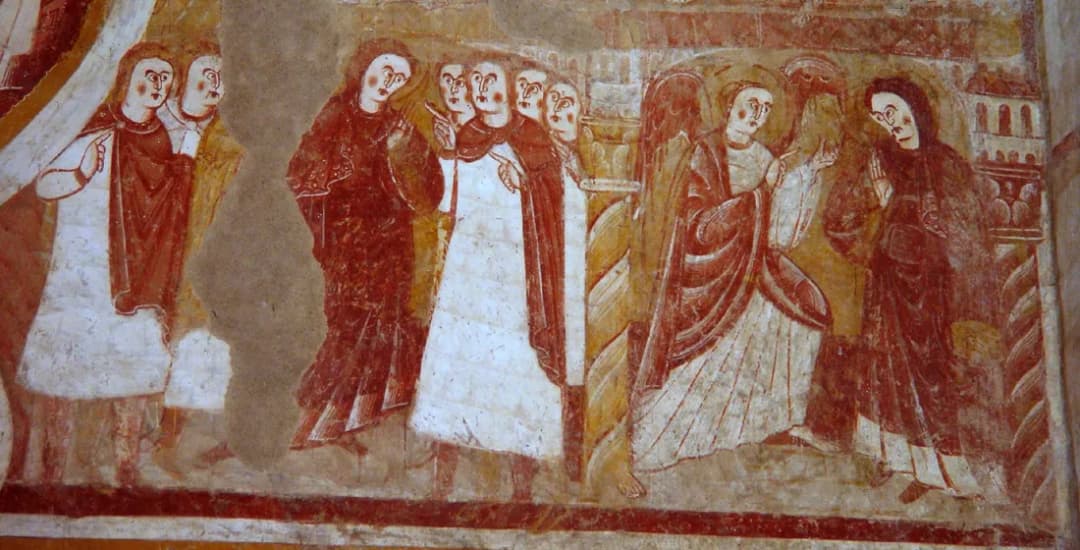
The Father gives all judgment to the Son (John 5:22-27). Jesus came into the world for judgment, separating people under moral tests (John 9:39; Matthew 25:31-46). He is set forth as a perpetual challenge to humanity to live rightly. Christians are taught that they shall also participate in judgment; the twelve disciples are to judge the twelve tribes of Israel (Matthew 19:28; Luke 22:30), and the saints shall judge the world (1 Corinthians 6:2). It is fitting that He who has mediated creation and redemption should pronounce judgment on humanity's attitude toward these sovereign acts. Disputes in the church should not be taken before civil judges; such matters should be settled by spiritual people within the fellowship (1 Corinthians 6:1-7), with Christians prepared to suffer wrong rather than create lawsuits with fellow believers.
Related Verses271 mentions
See Also

References
- 1.John McClintock and James Strong, "Judge," in Cyclopedia of Biblical, Theological and Ecclesiastical Literature, vol. IV (Harper & Brothers, 1867–1887).
- 2.James Orr (ed.), "Judge," in International Standard Bible Encyclopedia, vol. III (Howard-Severance Company, 1915).
- 3.Unknown source, "Judge Judging (Ethical)."
- 4.Don Fleming, "Judge," in Bridgeway Bible Dictionary (Bridgeway Publications, 1990).