Strangers
“Sojourner or resident alien”
Summary
Non-Israelites residing in the land of Israel, who were granted certain protections under the law while also being subject to specific restrictions.
☩Legal Status and Rights
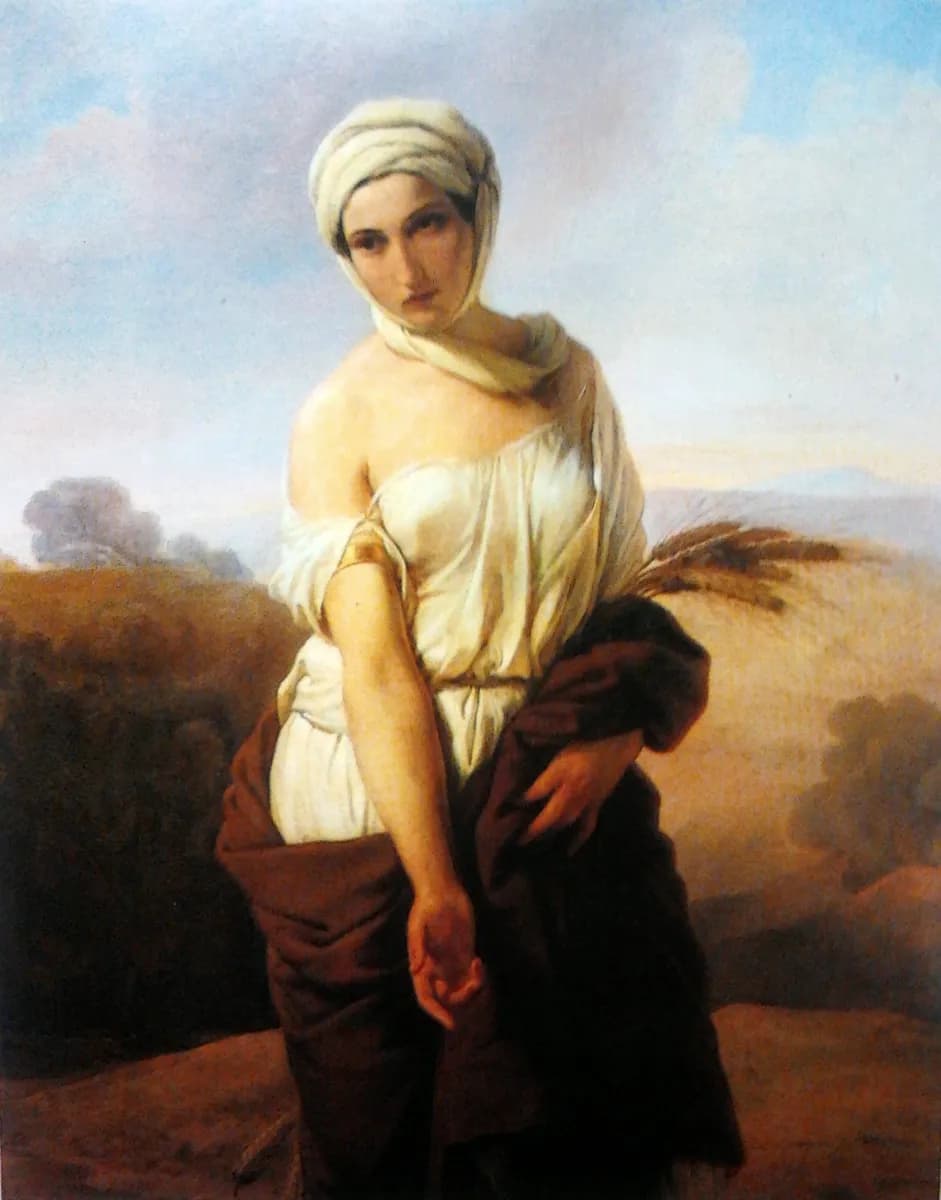
Strangers (Hebrew ger) dwelling among Israelites occupied a distinct legal category. They were protected from oppression and injustice, with the law repeatedly commanding Israel not to wrong or oppress the stranger. The same law applied to both native-born and stranger in matters of justice. Strangers could benefit from gleaning rights during harvest, receiving the corners of fields and forgotten sheaves alongside the poor, widows, and orphans.
☩Religious Participation
Strangers who underwent circumcision could participate in Passover and other religious observances. They were required to observe the Sabbath rest and could offer oblations at the tabernacle. However, uncircumcised strangers were excluded from eating the Passover or sacred offerings. Both stranger and native-born were equally bound by prohibitions against eating blood and other moral laws.
☩Restrictions
Despite protections, strangers faced certain restrictions. A stranger could not become king over Israel. Israelites could charge interest to strangers though not to fellow Israelites, and meat from animals that died naturally could be sold to strangers. Marriage with certain foreign peoples was forbidden to preserve Israel's distinct covenant identity.
☩Israel's Motivation
The command to love strangers was grounded in Israel's own history: 'You shall love the stranger, for you were strangers in the land of Egypt.' This experiential basis for compassion appears repeatedly in the law, reminding Israel that they knew the heart of a stranger and should therefore show kindness rather than exploitation.