
Harvest
Summary
The harvest in Palestine encompassed the grain harvests from Passover to Pentecost and was both an agricultural reality and a rich spiritual metaphor for divine judgment and the gathering of souls.
☩Agricultural Season
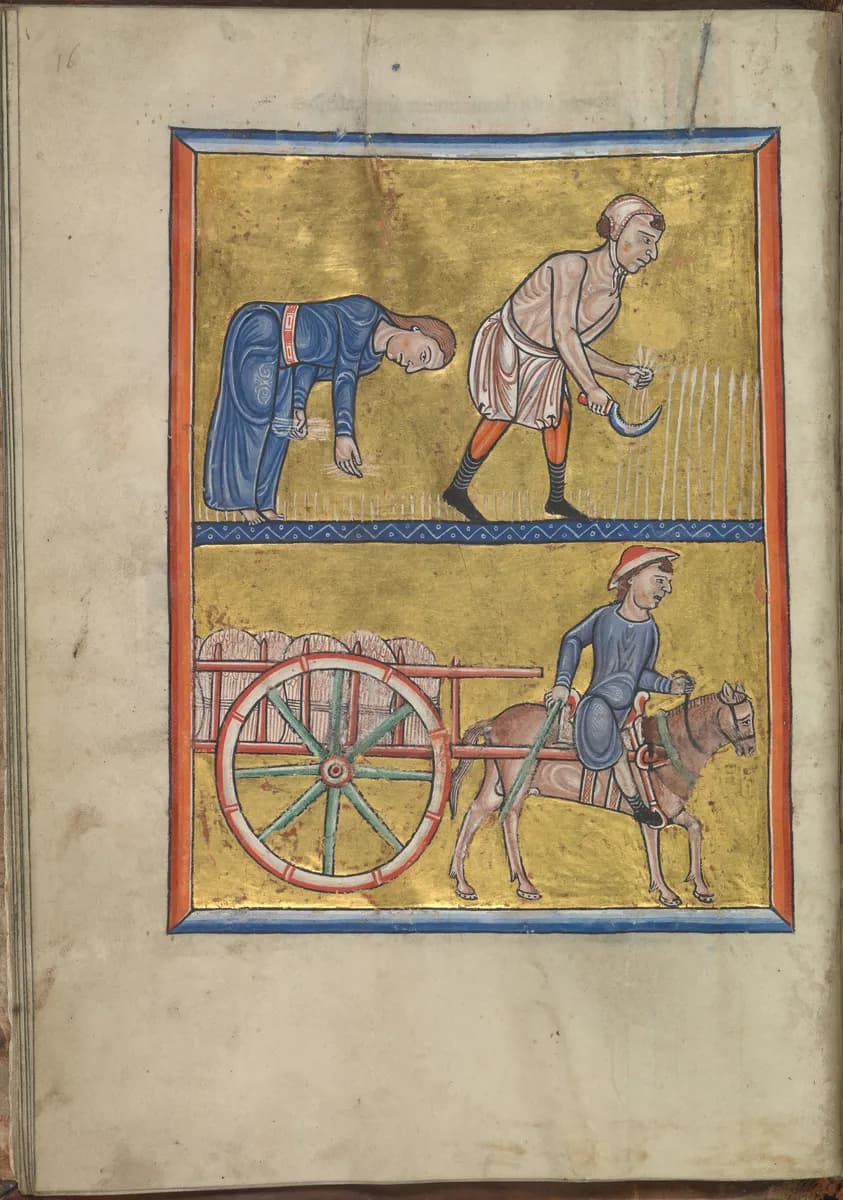
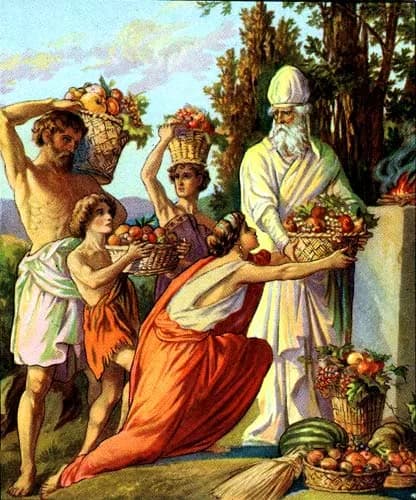
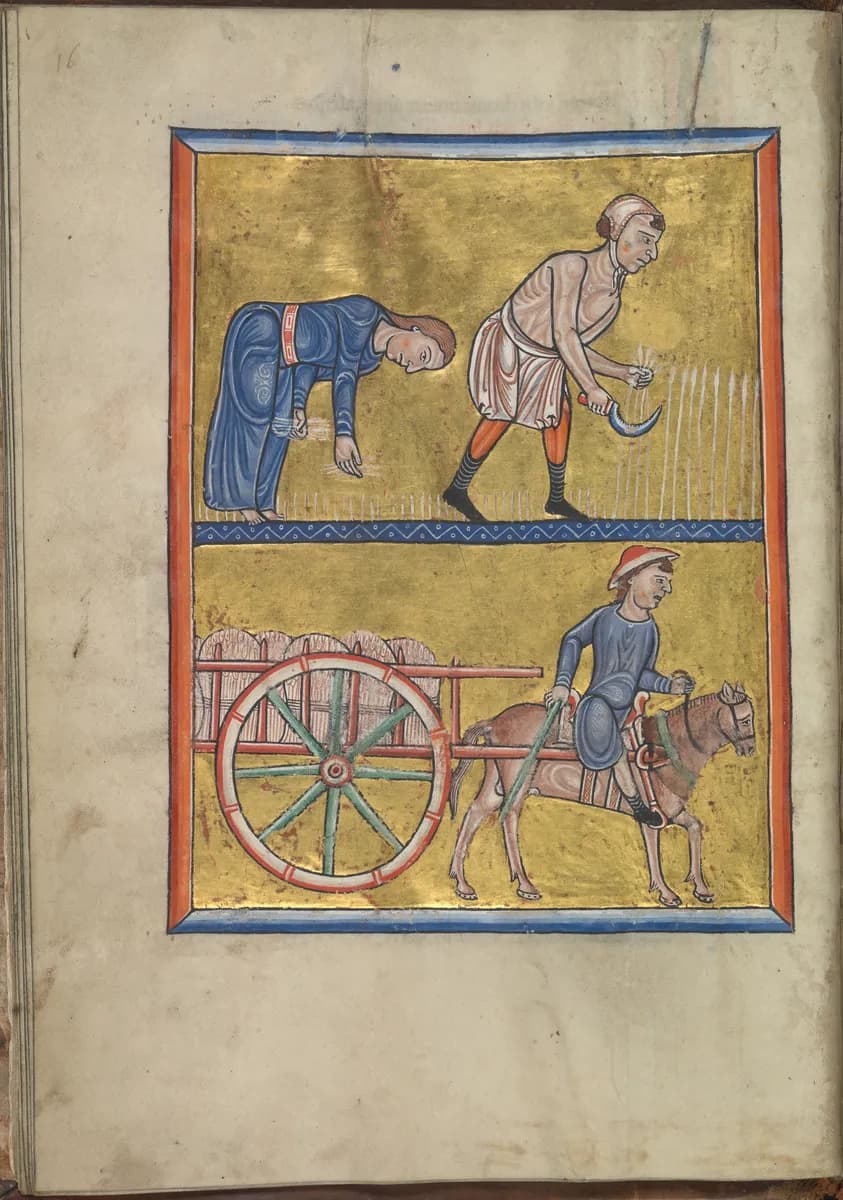
The Palestinian harvest began in mid-April with barley and extended through the wheat harvest at Pentecost in May-June. Barley ripened before wheat, as shown when Egypt's barley was destroyed by hail while the wheat survived. Harvest was a time of intense labor but also great rejoicing—communities celebrated with feasting and thanksgiving to God for His provision.
☩Sabbath and Harvest
God commanded that even during the urgent seasons of plowing and harvest, the Sabbath must be observed. This was a profound test of faith—trusting that obedience to God's command would not result in loss. Nehemiah found that the returned exiles were violating this principle, conducting business and harvesting on the Sabbath.
☩Spiritual Metaphor
Harvest becomes one of Scripture's richest metaphors. Jesus declared that the harvest is plentiful but laborers few, urging prayer for workers to gather souls. The parable of the wheat and tares presents harvest as final judgment, when angels will separate the righteous from the wicked. Revelation portrays the end of the age as a great harvest when the sickle reaps the earth.
Related Verses62 mentions
See Also

References
- 1.John McClintock and James Strong, "Harvest," in Cyclopedia of Biblical, Theological and Ecclesiastical Literature, vol. IV (Harper & Brothers, 1867–1887).
- 2.George Morrish, "Harvest," in Morrish's Concise Bible Dictionary (George Morrish, 1898).