
Covenant
“Covenant, compact; from 'to cut'”
Summary
A solemn agreement or compact, especially one between God and His people, establishing the terms of their relationship and the promises and obligations involved.
☩Nature and Ratification
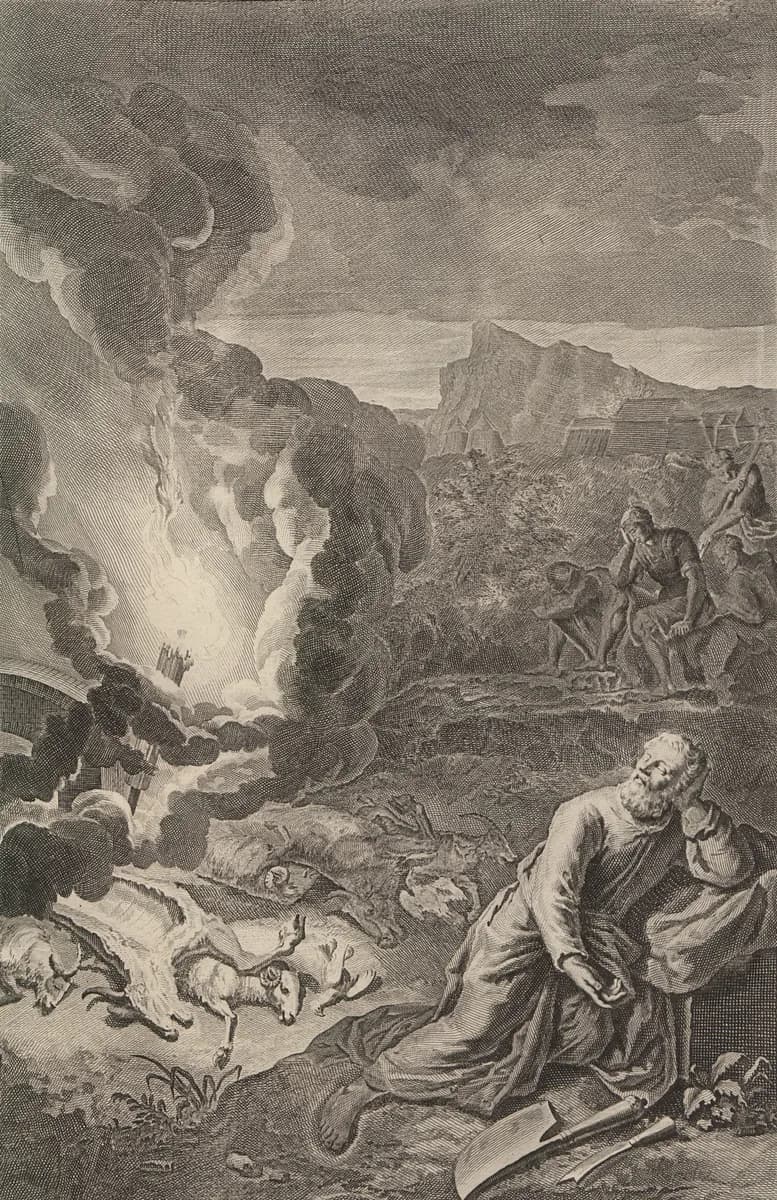
The Hebrew word 'berith' derives from a root meaning 'to cut,' referring to the ancient custom of cutting animals in two and passing between the parts to ratify a covenant (Genesis 15:9-17; Jeremiah 34:18-19). Covenants were solemnly invoked with God as witness and confirmed by oaths (Genesis 21:31; 31:50). Signs or tokens often accompanied covenants, such as gifts, pillars, or memorial stones (Genesis 21:30; 31:52). Salt was frequently associated with covenant-making, symbolizing its perpetual and preserving nature (Numbers 18:19; 2 Chronicles 13:5).
☩God's Covenants with Humanity
Scripture records several major covenants between God and humanity. After the Flood, God covenanted with Noah never to destroy the earth again by water, setting the rainbow as its sign (Genesis 9:8-17). To Abraham, God promised numerous descendants and the land of Canaan, with circumcision as the covenant sign (Genesis 17). At Sinai, Israel entered covenant with God conditioned on obedience to His law, receiving blessing for compliance and curse for disobedience (Exodus 19-24). God also made an unconditional covenant with David regarding his royal dynasty (2 Samuel 7).
☩The New Covenant
Jeremiah prophesied a new covenant that God would make with His people, not like the Sinai covenant which Israel had broken (Jeremiah 31:31-34). Under this new covenant, God's law would be written on the heart rather than stone tablets, all would know the Lord, and sins would be forgiven and remembered no more. Jesus declared that His blood established this new covenant (Luke 22:20), and the book of Hebrews expounds how Christ is the mediator of a better covenant founded on better promises (Hebrews 8:6-13).
☩Covenant and Promise
Paul emphasizes that God's covenant with Abraham, confirmed before the giving of the Law, cannot be annulled by the Law that came 430 years later (Galatians 3:15-17). The promise to Abraham finds its fulfillment in Christ, and all who belong to Christ are Abraham's seed and heirs according to promise (Galatians 3:29). Thus the covenant concept unifies the entire biblical narrative, from God's gracious promises to Abraham to their ultimate fulfillment in Christ and His church.
Related Verses332 mentions
See Also
References
- 1.John McClintock and James Strong, "Covenant," in Cyclopedia of Biblical, Theological and Ecclesiastical Literature, vol. II (Harper & Brothers, 1867–1887).
- 2.George Morrish, "Covenant," in Morrish's Concise Bible Dictionary (George Morrish, 1898).
- 3.F. N. Peloubet & M. A. Peloubet (ed.), "Covenant," in Smith's Bible Dictionary (Porter & Coates, 1884).