
Eating
“To eat, consume, devour”
Summary
The act of consuming food, which in Scripture carries significant social, religious, and symbolic meaning beyond mere physical nourishment.
☩Social and Religious Customs
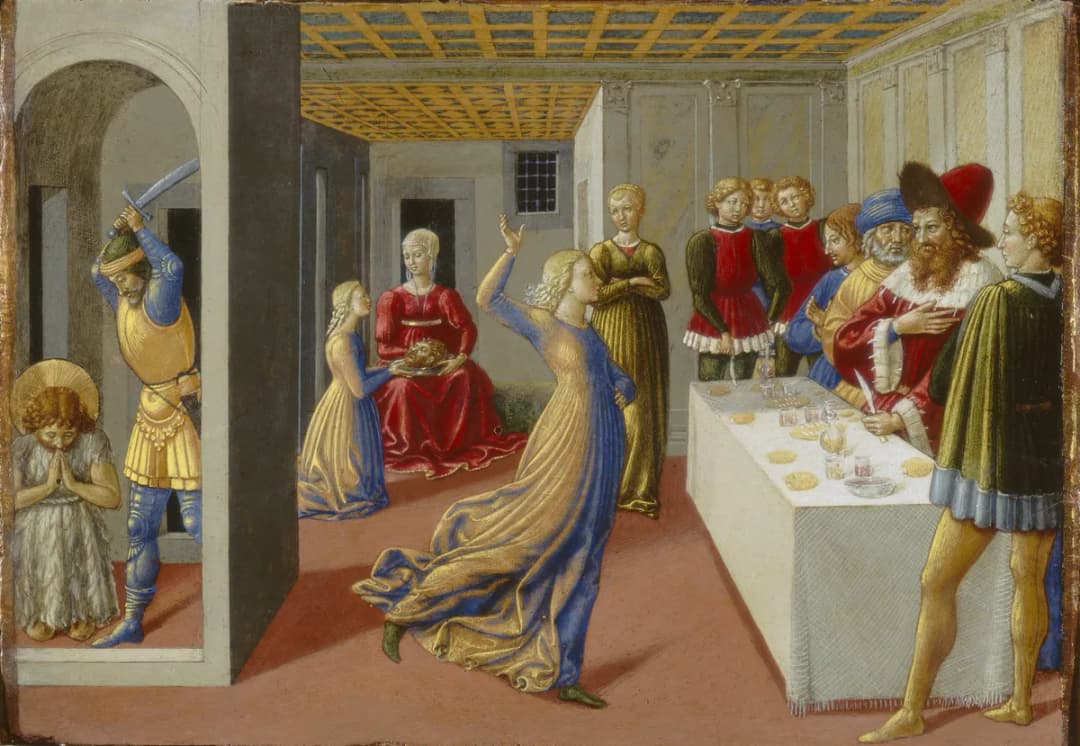
The ancient Hebrews did not eat indiscriminately with all persons. They considered themselves polluted by eating with people of another religion or with those in disreputable professions. Joseph's brothers ate separately from the Egyptians, who would not share a table with Hebrews. Jews did not eat with Samaritans, and the scribes and Pharisees were scandalized that Jesus ate with publicans and sinners. Since certain foods were prohibited by law, Jews avoided eating with those who might serve unclean foods. Each person often had a separate table or portion at formal meals. Joseph seated his brothers separately, sending portions to each from his own table. This practice of separate dining persists in various Eastern cultures to this day.
☩Eating as Covenant Fellowship
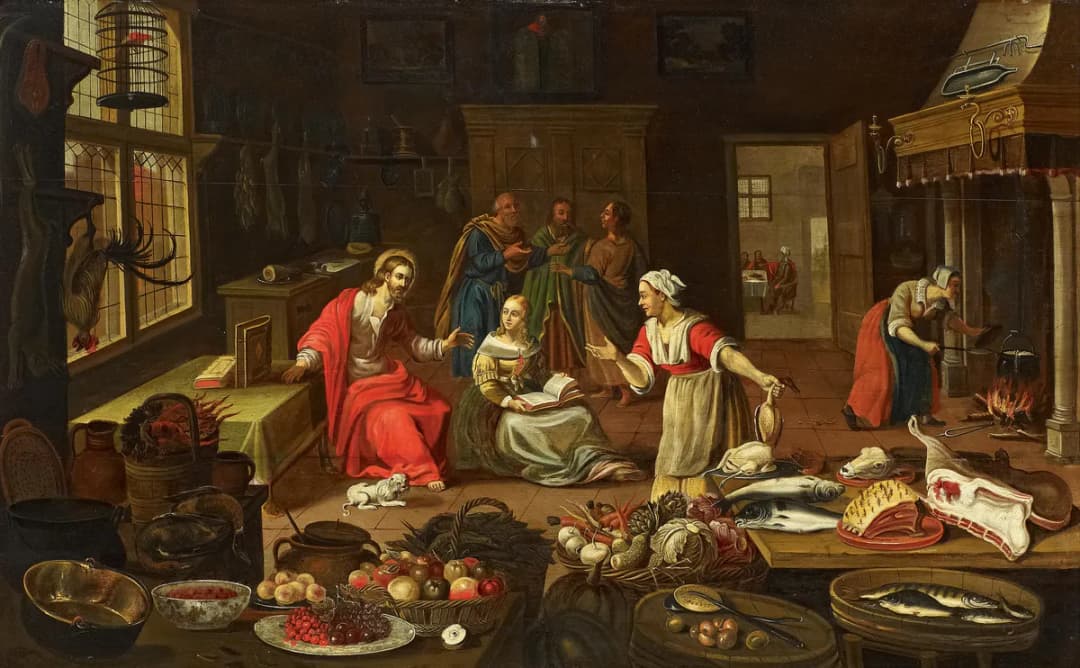
Eating together was an established token of mutual confidence and friendship, creating a bond that extended to future generations. The rites of hospitality were held sacred; among Arab peoples, even an enemy who gains the shelter of one's tent is protected. To violate hospitality by betraying one who had eaten at your table was a great crime, which gives added weight to the psalmist's lament about one who 'ate my bread' lifting his heel against him. Jesus' table fellowship with sinners was not merely social but proclamative—it demonstrated the welcoming nature of God's kingdom. He promised that faithful disciples would eat and drink at His table in His kingdom.
☩Symbolic Uses
Scripture employs eating symbolically in several ways. To 'eat up' a people means to consume or destroy them. Jeremiah spoke of finding and eating God's words, which became his joy. To 'eat' a book, as Ezekiel and John did in their visions, represents making its message one's own. Most significantly, Jesus spoke of eating His flesh and drinking His blood as essential for eternal life—receiving Him as Savior and being imbued with His truth and Spirit by living faith. In the Lord's Supper, believers eat bread symbolizing Christ's body, sharing communion with His death. Paul warned against eating with those living in open sin, preserving the covenantal significance of shared meals.
Related Verses36 mentions

References
- 1.John McClintock and James Strong, "Eating," in Cyclopedia of Biblical, Theological and Ecclesiastical Literature, vol. III (Harper & Brothers, 1867–1887).
- 2.James Hastings (ed.), "Eating and Drinking," in Dictionary of Christ and the Gospels, vol. I (T. & T. Clark, 1906–1908).
- 3.American Tract Society, "Eating," in American Tract Society Bible Dictionary (American Tract Society, 1859).
- 4.George Morrish, "Eating," in Morrish's Concise Bible Dictionary (George Morrish, 1898).