
Punishment(burning, capital punishment, corporal punishment)
Summary
Punishment in Scripture encompasses both temporal penalties administered by human authority—civil and ecclesiastical—and eternal divine retribution for sin, with the principle of proportional justice ('eye for eye') governing human administration while divine punishment serves both corrective and retributive purposes.
☩Biblical Definition
Punishment is defined as pain or suffering inflicted in expiation of a crime or offense by an authority to which the offender is subject. The Greek terms used include kolasis and timoria—classically distinguished as corrective versus retributive punishment—though this distinction is not consistently maintained in New Testament usage. Other terms translated 'punishment' include dike (righteous penalty), ekdikesis (vengeance), and epitimia (censure). In Hebrew, punishment is most properly expressed by forms of pakad, meaning 'to visit.'
☩Human Authority to Punish
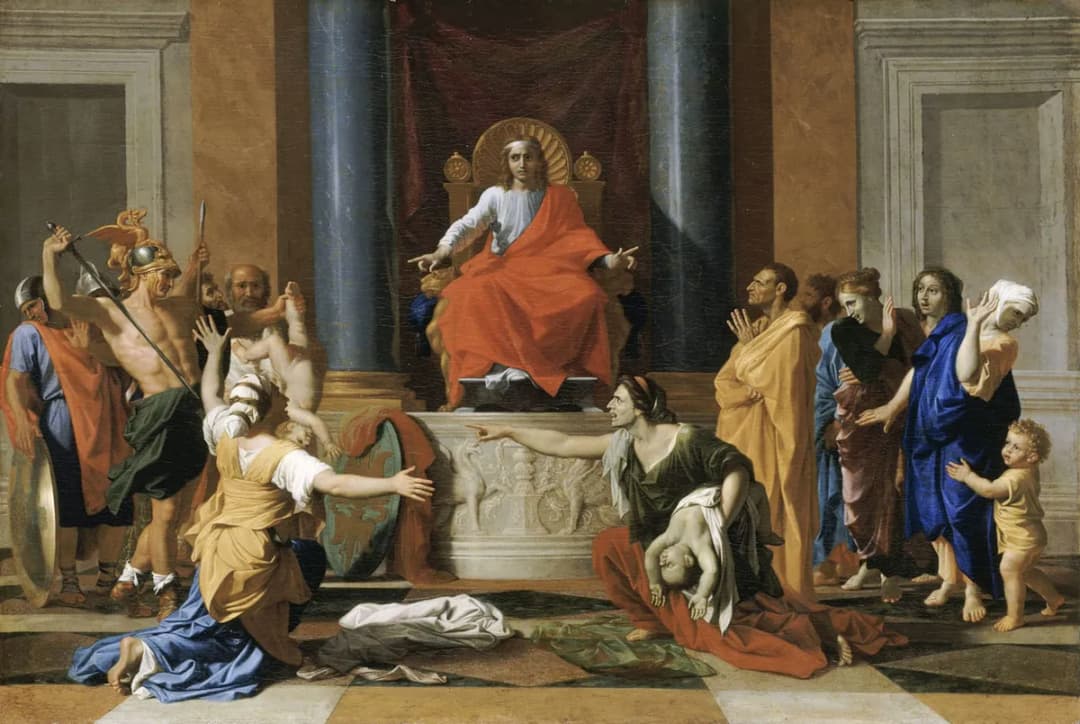
Human authority to inflict punishment is ultimately derived from a divine source. Civil magistrates, insofar as they administer just laws, are regarded as executors of divine vengeance against evildoers, and submission to their jurisdiction is imperative for Christians. The Christian church also exercises disciplinary authority, with power to inflict censure or exclusion from fellowship on those who walk disorderly. In carrying out the sentence of exclusion, the name and authority of Christ as King and Head of the Church are solemnly invoked, though the object remains the ultimate restoration of the offender to church privileges.
☩Capital Punishment in the Mosaic Law
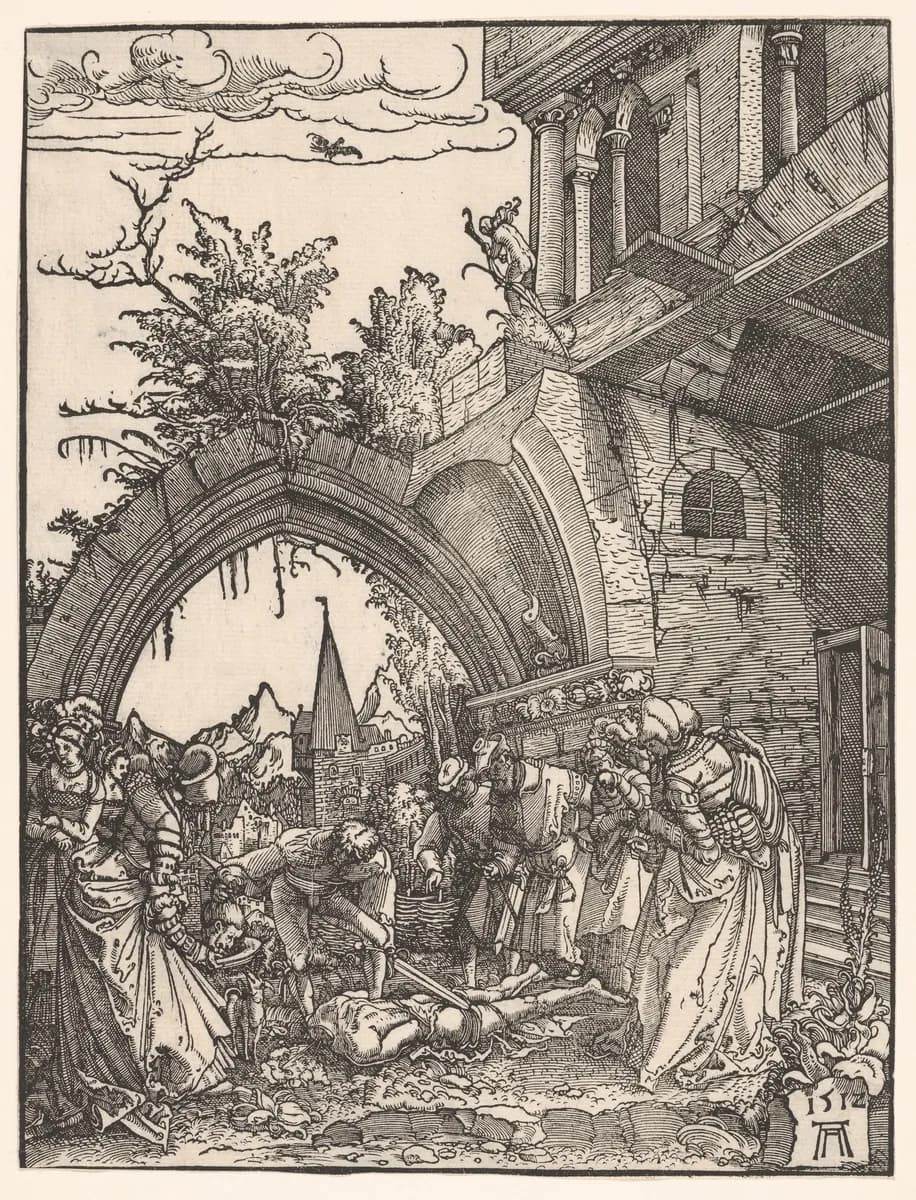
The Mosaic law prescribed capital punishment for numerous offenses: murder, striking or reviling a parent, blasphemy, Sabbath-breaking, witchcraft, adultery, unchastity, rape, incestuous and unnatural connections, kidnapping, idolatry, and false witness in certain cases. The extensive prescription of capital punishment can be accounted for by the peculiar circumstances of Israel—newly emancipated slaves under immediate divine government whose wanderings did not admit of remedial punishments or penal settlements. Methods of execution included stoning, burning, the sword, and hanging. The law required at least two witnesses for capital cases, and punishment was to be proportional to the offense—'eye for eye, tooth for tooth.'
☩Divine Punishment
Divine punishment is the reaction of God's holy nature against sin, the outward manifestation of divine wrath against all ungodliness. It is both present and eschatological. In the present, sin involves remorse and automatic impoverishment of personality through one's attitude toward Christ. Eschatologically, Scripture speaks of eternal destruction from the face of the Lord, and apostates face far severer punishment under the New Covenant than offenders experienced under the Old. Punishment by itself cannot produce repentance—only disclosures of divine grace leading to apprehension of God's mercy in Christ can accomplish reformation.
☩Degrees and Purpose of Punishment
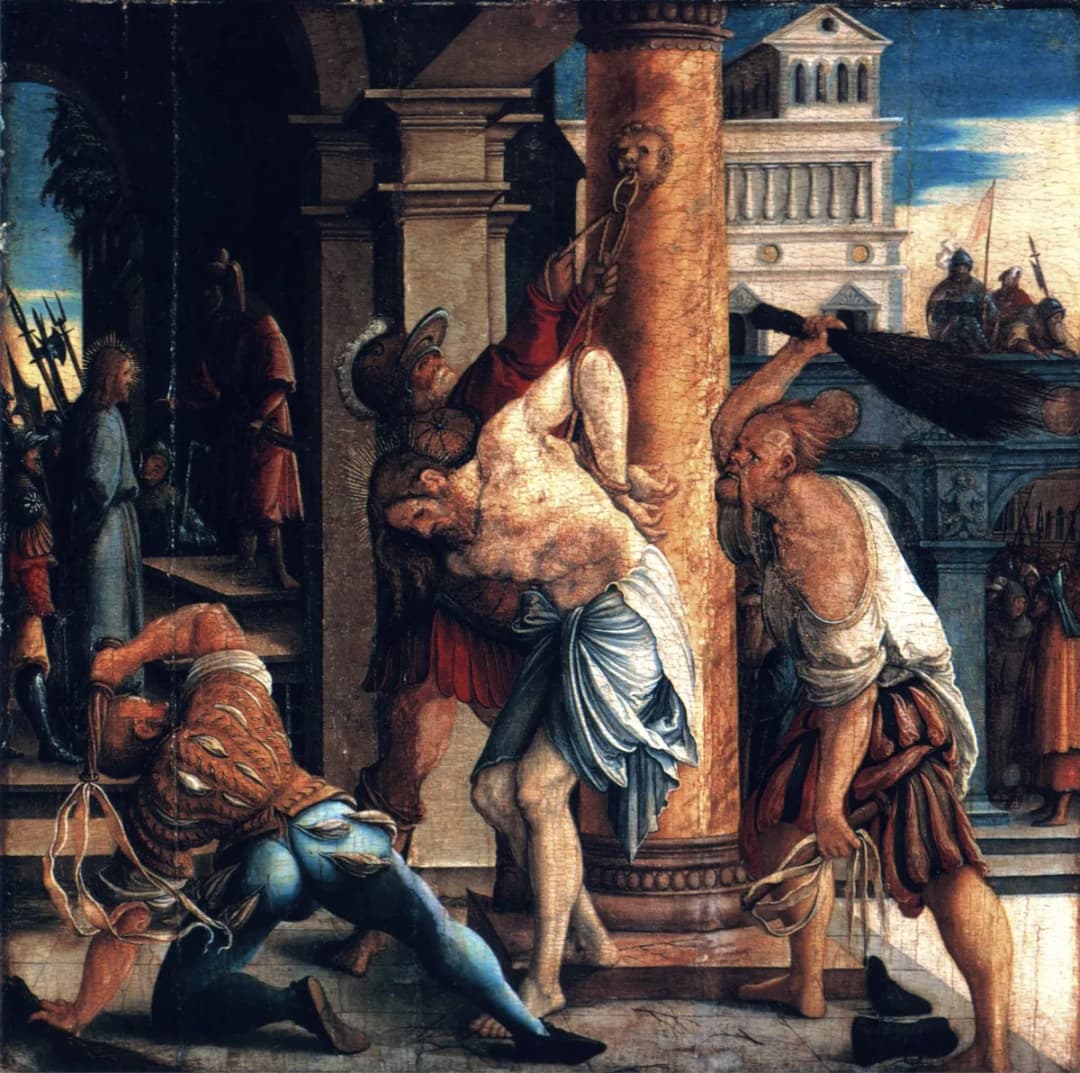
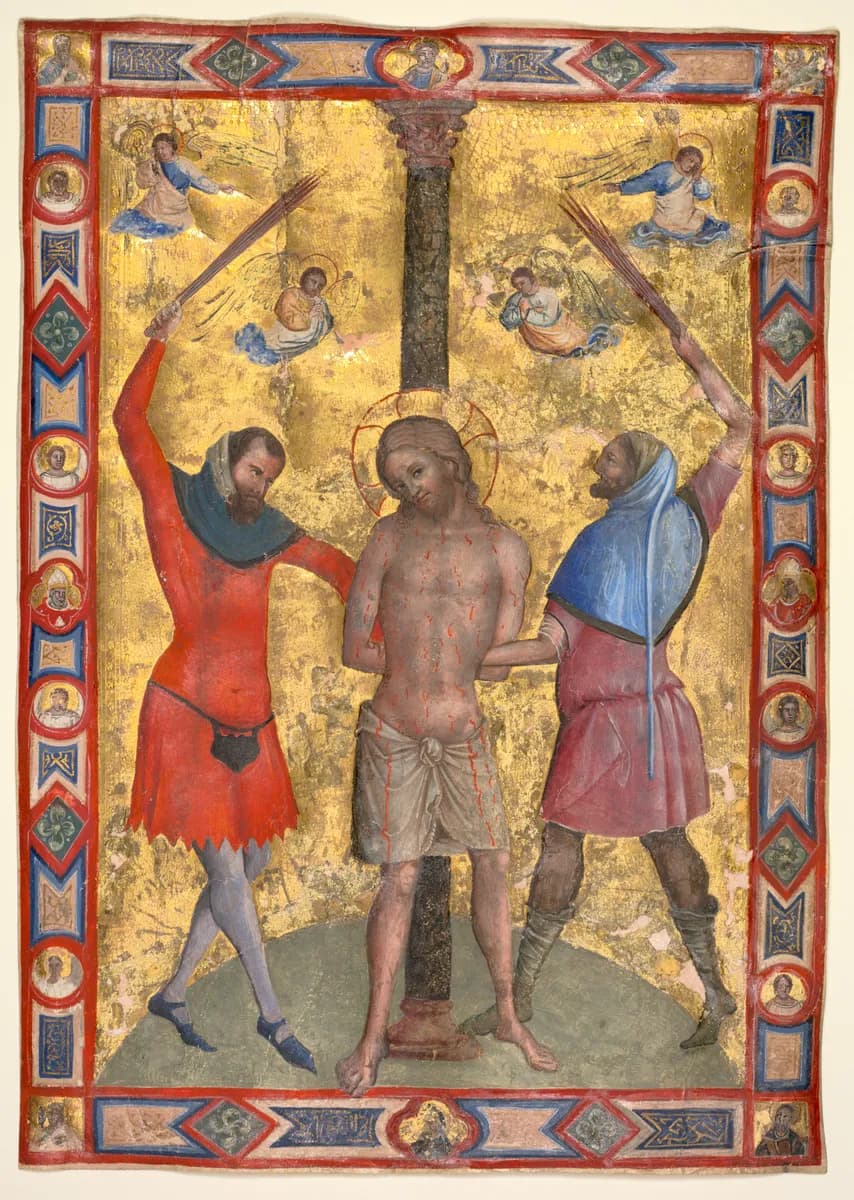
Christ taught that punishment will be marked by varying degrees of severity, each person by their own use of opportunity providing their own criterion. Some servants will be beaten with many stripes, others with few, according to knowledge and responsibility. The aim of punishment includes both discipline and retribution. So long as there is hope of a sinner's recovery, the reformatory element is prominent; when discipline has failed to reclaim, simple retribution remains. The duration of punishment is what Perfect Love requires—whether 'eternal' (aionios) punishment implies unending duration remains debated, though the same word applies equally to eternal life.
☩Eternal Punishment
Scripture uses strong language regarding the certainty, severity, and finality of future punishment for the impenitent. The word 'eternal' (aionios) is applied to punishment and to the fire which symbolizes it. Additional expressions convey finality: 'unquenchable fire,' the 'worm that dieth not,' 'outer darkness,' 'the door was shut.' Jesus speaks of blasphemy against the Spirit as an 'eternal sin' having no forgiveness 'neither in this world, nor in that which is to come.' The Rich Man in Hades found an impassable gulf fixed between himself and Lazarus. These passages teach that punishment for the finally impenitent is everlasting.
Related Verses471 mentions
See Also
References
- 1.James Hastings (ed.), "Punishment," in Dictionary of the Apostolic Church, vol. II (T. & T. Clark, 1915–1918).
- 2.John McClintock and James Strong, "Punishment," in Cyclopedia of Biblical, Theological and Ecclesiastical Literature, vol. VIII (Harper & Brothers, 1867–1887).
- 3.George Morrish, "Punishment," in Morrish's Concise Bible Dictionary (George Morrish, 1898).
- 4.James Hastings (ed.), "Punishment," in Dictionary of Christ and the Gospels, vol. II (T. & T. Clark, 1906–1908).
- 5.James Orr (ed.), "Punishment, Everlasting," in International Standard Bible Encyclopedia, vol. IV (Howard-Severance Company, 1915).