
Spirit(soul)
“Wind, breath, spirit”
Summary
The Hebrew ruach and Greek pneuma denote wind, breath, and the animating force of life — encompassing the creative breath of God, the immaterial nature of human beings, and the realm of supernatural beings.
☩Etymology and Range of Meaning
The Hebrew ruach and Greek pneuma both derive from roots meaning to blow or breathe. Scripture employs these words across a remarkably wide range: literal wind (Genesis 8:1; Exodus 10:13), the breath of life (Genesis 6:17; 7:15), the human spirit or mind (Proverbs 20:27; 1 Corinthians 2:11), the Spirit of God as active power (Genesis 1:2; Isaiah 11:2), angelic and demonic beings (Hebrews 1:14; Mark 1:23), and a general disposition or attitude (Numbers 14:24; Luke 9:55). The fundamental idea uniting all these uses is an invisible, powerful force that produces visible effects — like wind, unseen but unmistakable.
☩The Spirit of God in the Old Testament
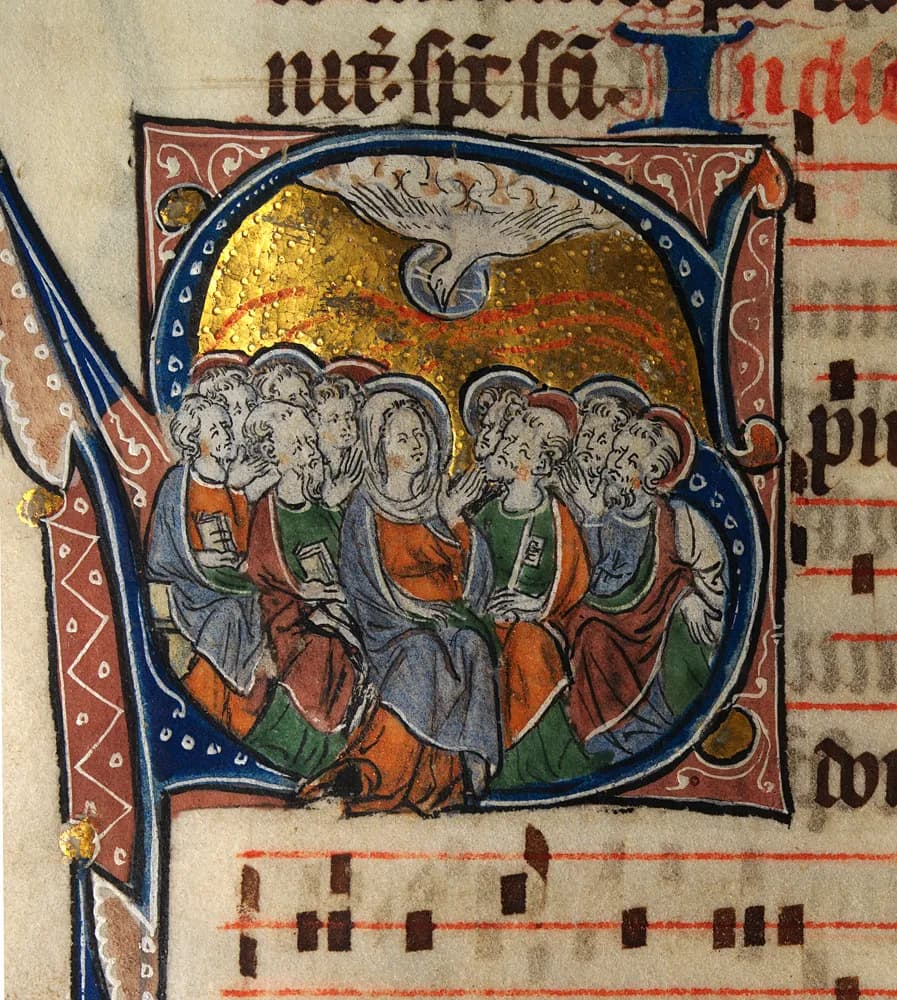
The ruach of God appears at the very opening of Scripture, moving over the primordial waters as the active, creative power of God (Genesis 1:2). God breathes the breath (neshamah) of life into Adam, making him a living being (Genesis 2:7). Throughout the Old Testament, the Spirit of God empowers individuals for specific tasks: artistic skill for Bezalel (Exodus 31:3), military leadership for the judges (Judges 3:10; 6:34), prophetic utterance (Numbers 11:25; 2 Samuel 23:2), and royal authority for kings (1 Samuel 16:13). The Spirit could also depart when individuals fell into persistent disobedience, as with Saul (1 Samuel 16:14). The prophets looked forward to a day when the Spirit would be poured out universally, not only on select leaders (Joel 2:28–29; Isaiah 32:15; Ezekiel 36:27). This broad Old Testament concept of God's ruach — creative power, prophetic inspiration, sustaining breath, and promised future gift — provides the foundation for the fuller revelation of the Holy Spirit in the New Testament.
☩The Human Spirit
The spirit is that dimension of human nature which relates directly to God, distinguishing humanity from the animals. God 'forms the spirit of man within him' (Zechariah 12:1), and at death the spirit returns to God who gave it (Ecclesiastes 12:7). Scripture calls the human spirit 'the candle of the Lord' — the capacity for moral awareness, conscience, and communion with the divine (Proverbs 20:27). Paul speaks of the 'inner man' (Romans 7:22; Ephesians 3:16) as the seat of spiritual life, renewed day by day even as the outward person perishes (2 Corinthians 4:16). At regeneration, the Holy Spirit bears witness with the human spirit that believers are children of God (Romans 8:16). Whether spirit and soul denote distinct faculties (the trichotomist view) or overlapping terms for the immaterial person (the dichotomist view) has been debated since the early church, though Scripture uses both terms without rigid systematic distinction.
☩Spirit Beings
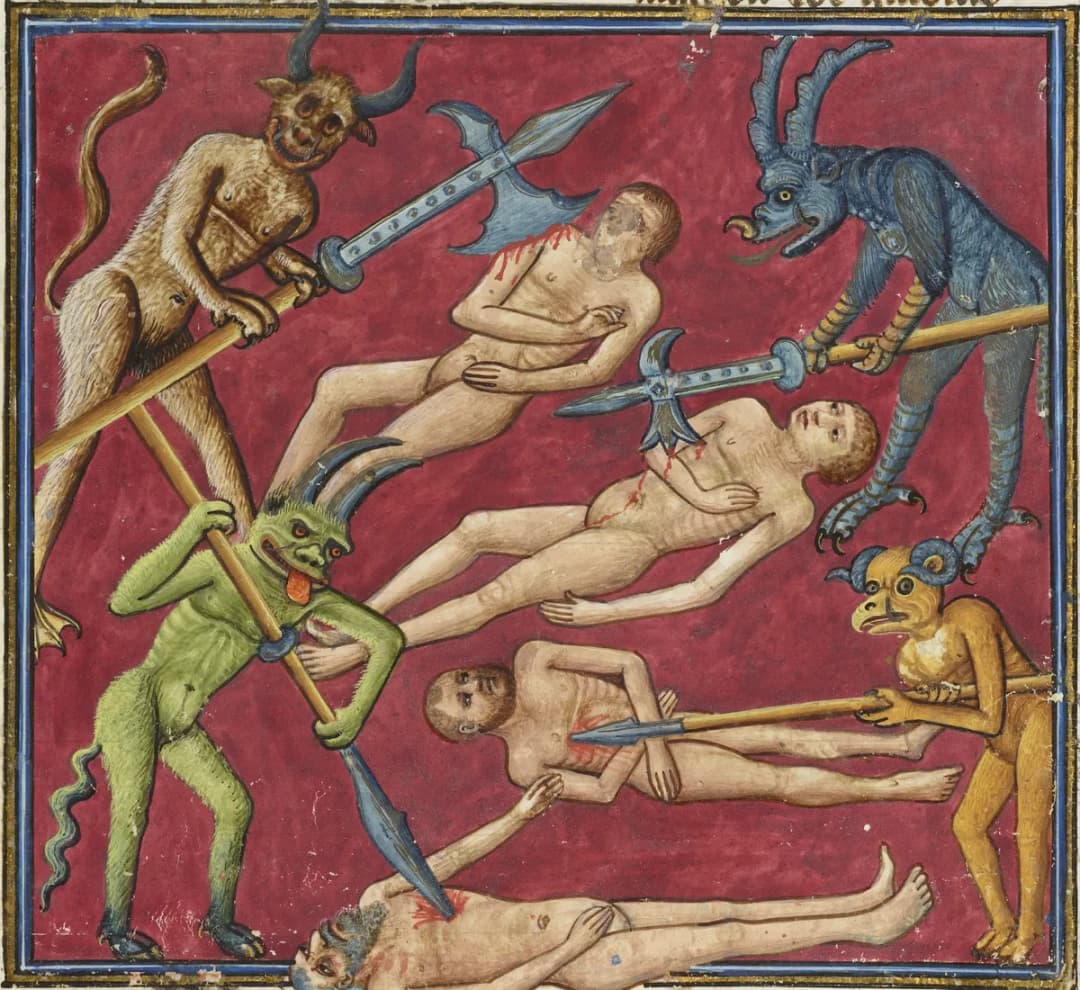
Scripture reveals an unseen realm of spirit beings — personal entities without physical bodies. Angels are 'ministering spirits' sent to serve those who inherit salvation (Hebrews 1:14). God makes His angels spirits and His ministers a flame of fire (Psalm 104:4). Evil or unclean spirits — demons — are fallen spiritual beings who oppose God's purposes and can afflict humans (Mark 1:23–27; Luke 11:24–26). Satan, the chief adversary, operates through organized ranks of spiritual powers in 'high places' (Ephesians 6:12). Christ demonstrated absolute authority over every spirit, commanding demons and they obeyed (Mark 1:27; Luke 10:17–20). Believers are called to 'test the spirits' to discern truth from deception (1 John 4:1) and are equipped through the Spirit of God to stand against spiritual evil (Ephesians 6:10–18).
Related Verses394 mentions
See Also
References
- 1.John McClintock and James Strong, "Spirit," in Cyclopedia of Biblical, Theological and Ecclesiastical Literature, vol. IX (Harper & Brothers, 1867–1887).
- 2.James Orr (ed.), "Spirit," in International Standard Bible Encyclopedia, vol. IV (Howard-Severance Company, 1915).
- 3.George Morrish, "Spirit," in Morrish's Concise Bible Dictionary (George Morrish, 1898).
- 4.Andrew Robert Fausset, "Spirit," in The Englishman's Critical and Expository Bible Cyclopædia (Hodder & Stoughton, 1878).