
Remorse
Summary
Remorse is the painful regret for wrongdoing that may lead to repentance or, without God's grace, to despair, as illustrated by the contrasting responses of Peter and Judas.
☩Judas's Remorse
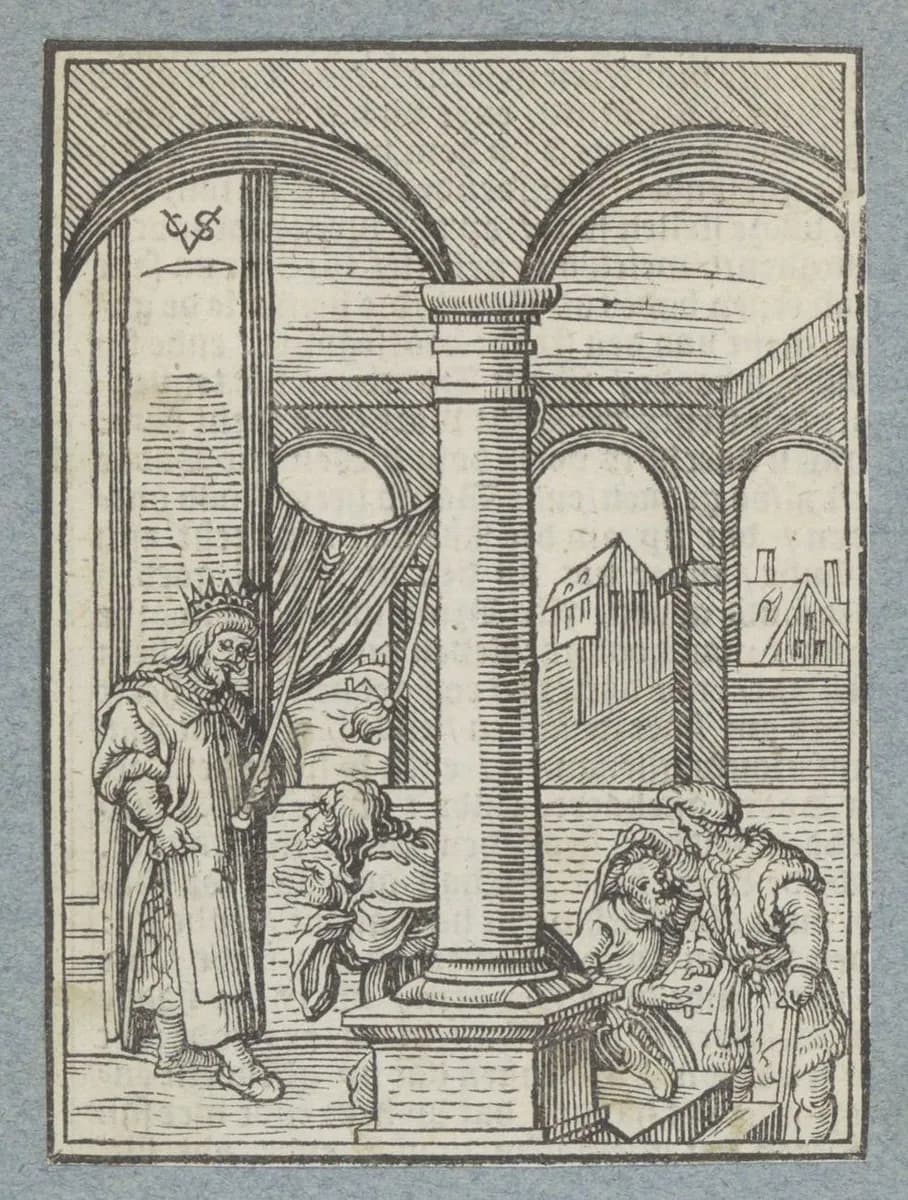
After betraying Jesus, Judas 'repented himself' (was seized with remorse) when he saw that Jesus was condemned. He returned the thirty pieces of silver to the chief priests, confessing that he had betrayed innocent blood. But his remorse did not lead to true repentance toward God; instead, he went out and hanged himself, demonstrating that worldly sorrow produces death.
☩Peter's Repentance
Peter also experienced agonizing remorse after denying Jesus three times. When the rooster crowed, 'he went out, and wept bitterly.' But Peter's sorrow led to genuine repentance and restoration; he did not despair but later received Christ's threefold restoration and commission to feed His sheep. His godly sorrow worked salvation, not death.
☩Godly vs. Worldly Sorrow
Paul distinguishes between 'godly sorrow' that 'worketh repentance to salvation not to be repented of' and 'the sorrow of the world' that 'worketh death.' Godly sorrow turns to God for forgiveness and produces changed life; worldly sorrow focuses on consequences and self and produces only despair. True remorse combined with faith leads to restoration; remorse without hope leads to destruction.
Related Verses8 mentions
References
- 1.John McClintock and James Strong, "Remorse," in Cyclopedia of Biblical, Theological and Ecclesiastical Literature, vol. VIII (Harper & Brothers, 1867–1887).
- 2.James Orr (ed.), "Remorse," in International Standard Bible Encyclopedia, vol. IV (Howard-Severance Company, 1915).
- 3.James Hastings (ed.), "Remorse," in Dictionary of Christ and the Gospels, vol. II (T. & T. Clark, 1906–1908).