
Repentance(contrition, penitence)
“Change of mind”
Summary
Repentance is a change of mind that leads to a complete change of life, turning from sin to God, involving conviction of sin, sorrow for it, confession of it, and renunciation of it.
☩Biblical Meaning
The New Testament word metanoia literally means "a change of mind" regarding sin, God, and one's own life. It is equivalent to the Old Testament term shub, meaning "to turn" or "return," implying a radical change in one's attitude toward sin and God. This change affects the whole spiritual nature and involves the entire personality: the intellect must function, the emotions must be aroused, and the will must act. Repentance is not merely regret or remorse (metamelomai), which may lead only to despair, as in the case of Judas, but a fundamental reorientation of life toward God.
☩Kinds of Repentance
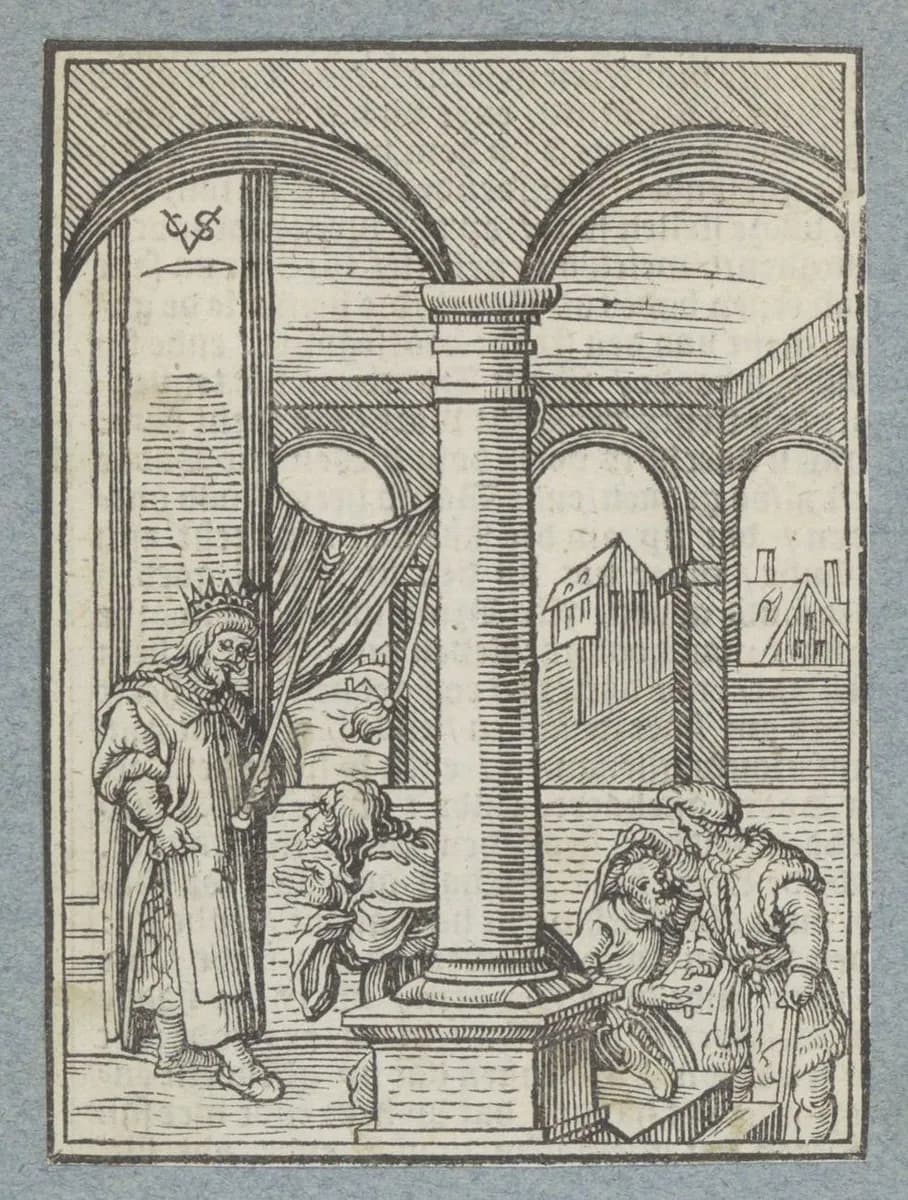
Scripture distinguishes various kinds of repentance. There is natural repentance, the effect of natural conscience; national repentance, such as that to which Judah was called; external repentance, an outward humiliation for sin as in Ahab's case; and hypocritical repentance, as represented in Ephraim. Legal repentance is a mere work of the law arising from fear of wrath, which wears off and comes to nothing. Evangelical repentance, by contrast, flows from a sense of God's goodness and mercy, produces true mourning for sin, and results in lasting transformation. The goodness of God leads to repentance, not merely the fear of judgment.
☩Evidences and Necessity
The evidences of true repentance include faith, humility, prayer, obedience, and fruits appropriate to the changed life. Jesus taught that true repentance manifests itself in conduct, bringing forth "fruits worthy of repentance." The prodigal son's return illustrates essential elements: realization of his desperate condition, a definite determination to return, the decisive act of going to his father, absolute humility, and open confession. The necessity of repentance appears evident from the evil of sin, the misery it involves, God's commands in Scripture, the promises made to the penitent, and the impossibility of enjoying God without it.
Related Verses258 mentions
See Also

References
- 1.John McClintock and James Strong, "Repentance," in Cyclopedia of Biblical, Theological and Ecclesiastical Literature, vol. VIII (Harper & Brothers, 1867–1887).
- 2.James Orr (ed.), "Repentance," in International Standard Bible Encyclopedia, vol. IV (Howard-Severance Company, 1915).
- 3.James Hastings (ed.), "Repentance," in Dictionary of the Apostolic Church, vol. II (T. & T. Clark, 1915–1918).
- 4.Philip Schaff and Johann Herzog (ed.), "Repentance," in The New Schaff-Herzog Encyclopedia of Religious Knowledge, vol. IX (Funk and Wagnalls, 1908–1914).
- 5.George Morrish, "Repentance," in Morrish's Concise Bible Dictionary (George Morrish, 1898).
- 6.James Hastings (ed.), "Repentance," in Dictionary of Christ and the Gospels, vol. II (T. & T. Clark, 1906–1908).