
Husbandman(husbandry)
Summary
A farmer or agricultural worker; one of the most ancient and honorable occupations, practiced by the Hebrews from patriarchal times and used metaphorically in Jesus's teachings about the kingdom of God.
☩Biblical Background
The Hebrew phrase 'ish adamah' (man of the ground) describes the farmer's occupation. Agriculture appears among the earliest human activities after the Fall, with Noah being the first called a 'man of the soil' who planted a vineyard (Genesis 9:20). The patriarchs engaged in farming alongside herding (Genesis 26:12-14; 37:7). All Hebrews not consecrated to religious offices were primarily agriculturists, making farming central to Israelite identity and economy.
☩Agricultural Life
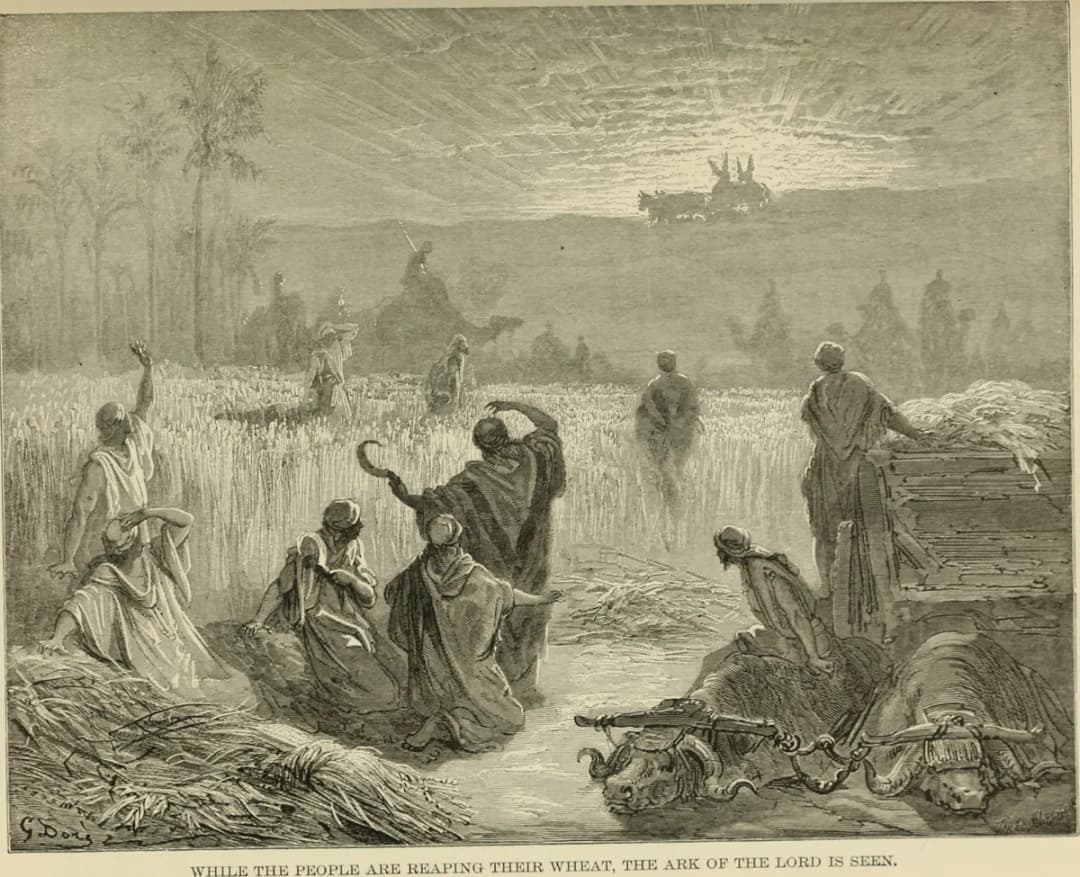
Isaiah 28:24-28 describes the farmer's knowledge of proper techniques for plowing, planting, and threshing different crops. Ancient Egyptian monuments depict agricultural workers with expressions similar to modern Syrian fellahs—a reminder that farming has always been hard work. The Mosaic law contained numerous agricultural regulations, from sabbath rest for the land to gleaning rights for the poor, embedding theological principles into farming practice.
☩Metaphorical Use
Jesus employed the image of the husbandman extensively in His teaching. In John 15:1, He declares, 'My Father is the gardener [husbandman],' who tends the vine and prunes branches for fruitfulness. The parable of the wicked tenants (Matthew 21:33-46; Mark 12:1-9) portrays Israel as a vineyard leased to husbandmen who reject the owner's servants and son. Paul calls believers 'God's husbandry' or cultivated field (1 Corinthians 3:9), suggesting both divine care and expected fruitfulness.
Related Verses10 mentions
See Also
References
- 1.John McClintock and James Strong, "Husbandman," in Cyclopedia of Biblical, Theological and Ecclesiastical Literature, vol. IV (Harper & Brothers, 1867–1887).