
Agriculture(farming)
“From 'ager' (field) and 'cultura' (cultivation)”
Summary
The art of cultivating the soil, which formed the economic and religious foundation of Israelite society in the promised land.
☩Biblical Foundation
The antiquity of agriculture is evident from Cain being described as a 'tiller of the ground' who brought fruit offerings to God. Noah planted a vineyard after the flood, demonstrating agricultural knowledge preserved through the deluge. The patriarchs primarily led pastoral lives, though Isaac and Jacob occasionally tilled the soil. When Israel became a nation in Canaan, agriculture became central to their existence and worship.
☩Divine Design
Providence arranged that the pastoral life kept Israel distinct while yet a family, especially in Egypt where the native prejudice against shepherds isolated them in Goshen. When they became a nation, agriculture made them self-sufficient and less vulnerable to external corrupting influences. The inalienable character of inheritances gave each family a stake in the soil, nurtured patriotism, and indirectly discouraged slavery.
☩Seasonal Patterns
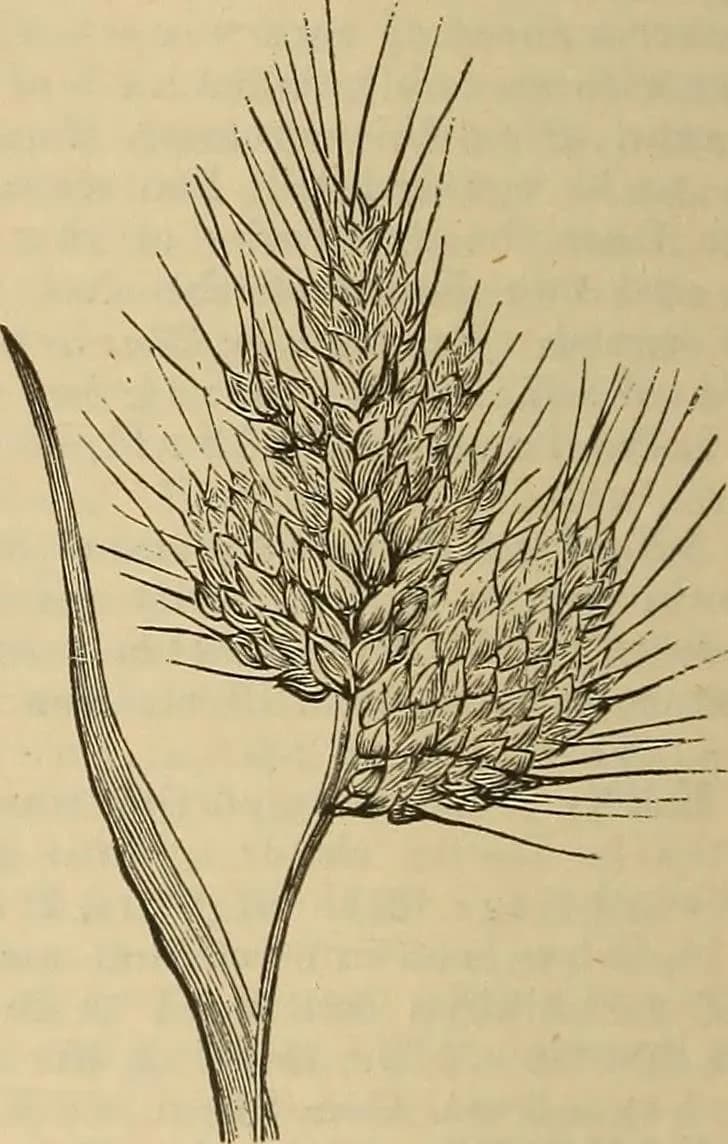
The Jewish agricultural year depended on the early rain (October-November) to soften the parched soil for sowing, and the latter rain (February-March) to ripen crops for harvest. The barley harvest came first, about a fortnight before wheat. The three great festivals corresponded to agricultural stages: Passover to the green stage, Pentecost to ripened grain, and Tabernacles to the gathered harvest.
☩Methods and Practices
Plowing began after the early rain softened the ground, using light plows drawn by oxen. Seed was scattered broadcast and plowed in, then often trampled by cattle in irrigated areas. The threshing floor was a circular hard-ground area where oxen tread out grain or threshing sledges crushed it. Winnowing separated chaff using shovels and fans in the evening breeze.
☩Spiritual Imagery
Agricultural imagery pervades Scripture's deepest spiritual truths. God is portrayed as the Shepherd of Israel and the Husbandman of His vineyard. Christ compared Himself to the shepherd seeking lost sheep and used parables of sowers, wheat and tares, and vineyard laborers to teach about God's kingdom. The world appeared to Him as a field white unto harvest.
Related Verses58 mentions

References
- 1.John McClintock and James Strong, "Agriculture," in Cyclopedia of Biblical, Theological and Ecclesiastical Literature, vol. I (Harper & Brothers, 1867–1887).
- 2.Andrew Robert Fausset, "Agriculture," in The Englishman's Critical and Expository Bible Cyclopædia (Hodder & Stoughton, 1878).
- 3.James Orr (ed.), "Agriculture," in International Standard Bible Encyclopedia, vol. I (Howard-Severance Company, 1915).
- 4.F. N. Peloubet & M. A. Peloubet (ed.), "Agriculture," in Smith's Bible Dictionary (Porter & Coates, 1884).
- 5.James Hastings (ed.), "Agriculture," in Dictionary of Christ and the Gospels, vol. I (T. & T. Clark, 1906–1908).