
Olive
“Olive tree”
Summary
The olive tree was one of the most valuable and symbolic plants in Israel, providing oil for food, light, medicine, and religious ceremonies.
☩The Tree
The olive tree (Olea europaea) is a slow-growing evergreen that can live for hundreds of years, with gnarled and twisted trunks becoming more productive with age. It thrives in rocky soil and withstands drought, making it well-suited to Palestine's terrain. The tree produces fragrant white flowers and fruit that ripens from green to black. Olive cultivation was so important that destroying olive trees during warfare was prohibited by Mosaic law, as they take many years to become productive.
☩Harvesting and Uses
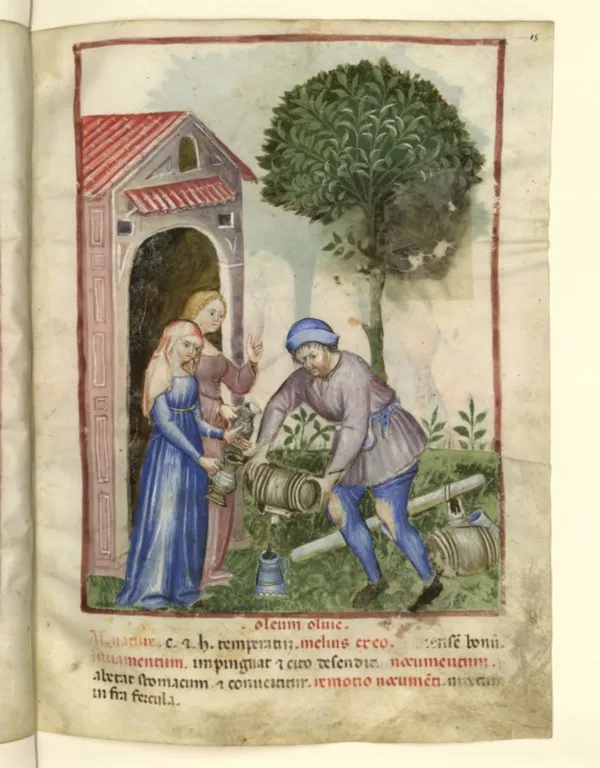
Olives were harvested in autumn by beating the branches with sticks or shaking the trees, with gleanings left for the poor. The fruit was pressed to extract oil used for cooking, lamp fuel, medicine, and cosmetics. Olive wood, with its beautiful grain, was used for fine carpentry, including the cherubim in Solomon's temple. The Mount of Olives east of Jerusalem was named for its extensive olive groves, and Gethsemane ("oil press") was located there.
☩Symbolic Significance
The olive branch became a symbol of peace when the dove returned to Noah's ark carrying one, signifying the flood's end. The olive tree represents Israel and the righteous in Scripture. Paul uses the olive tree as a metaphor for Israel, with Gentile believers grafted in as wild olive branches. The two olive trees in Zechariah's vision symbolize the anointed ones who serve the Lord, and similar imagery appears in Revelation.
Related Verses50 mentions
References
- 1.John McClintock and James Strong, "Olive," in Cyclopedia of Biblical, Theological and Ecclesiastical Literature, vol. VII (Harper & Brothers, 1867–1887).