
Vision
Summary
A vision is a supernatural presentation of scenes or circumstances to the mind while awake, serving as a primary mode of divine revelation to prophets and others throughout Scripture.
☩Nature and Purpose
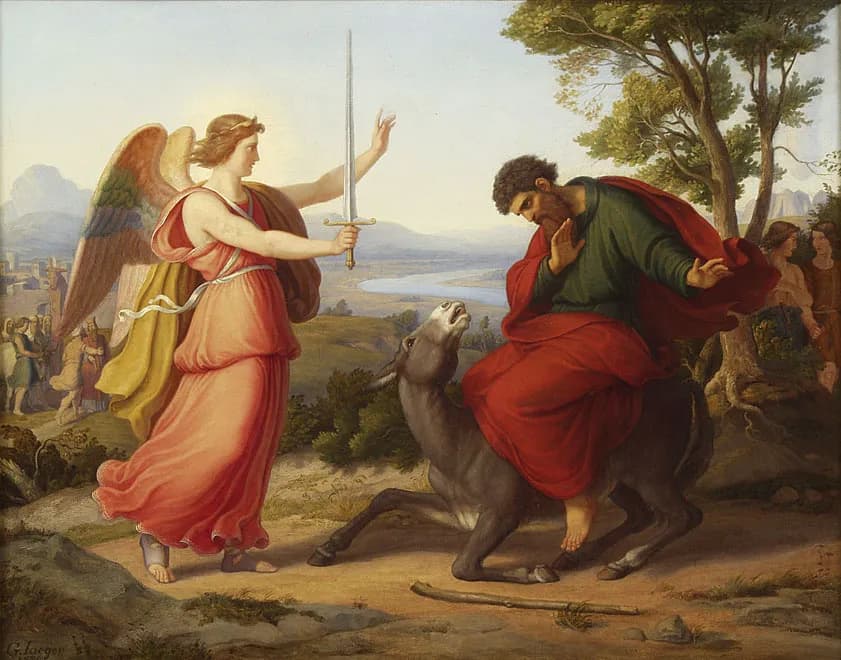
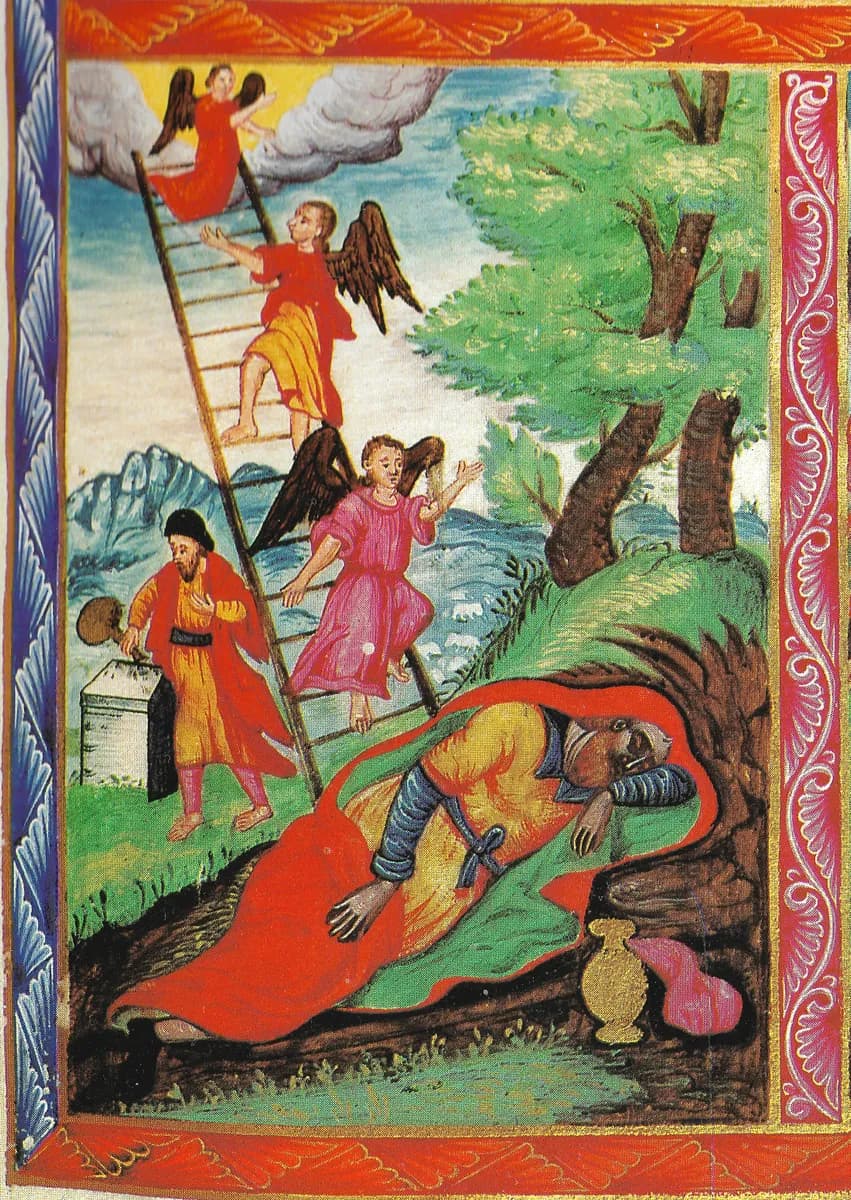
A vision differs from a dream in that it occurs while the recipient is awake, though sometimes in an ecstatic state. When God distinguished Moses' unique relationship from that of other prophets, He said He would make Himself known to prophets 'in a vision' and speak 'in a dream,' but with Moses He would speak 'mouth to mouth.' Visions served both for immediate direction—as with Abraham, Lot, Balaam, and Peter—and for revealing the development of God's kingdom, as in the prophetic visions of Isaiah, Ezekiel, Daniel, and John.
☩Prophetic Visions
The great prophets received their messages through visions. Isaiah saw the Lord high and lifted up in the temple with seraphim declaring His holiness. Ezekiel's opening vision of the glory of God with its living creatures and wheels within wheels inaugurated his prophetic ministry. Daniel received apocalyptic visions of beasts representing kingdoms and of the Ancient of Days establishing His eternal dominion. Zechariah received a series of night visions including horses, horns and carpenters, a lampstand, and a flying scroll.
☩New Testament Visions
Visions continued in the apostolic church. Zacharias saw an angel announcing John the Baptist's birth. At Jesus' baptism and transfiguration, divine manifestations occurred. Stephen saw the heavens opened and the Son of Man at God's right hand. Paul received his conversion vision on the Damascus road and later a vision of a Macedonian calling for help. Peter's vision of the sheet with unclean animals opened the gospel to Gentiles. The entire book of Revelation consists of John's apocalyptic visions of Christ, heaven, and the end times.
☩Spiritual Significance
The seeing of visions is associated with spiritual vitality and revival, while their absence indicates spiritual decline. Joel prophesied that in the last days God would pour out His Spirit so that 'your young men shall see visions.' Jeremiah warned against false prophets who spoke visions from their own minds rather than from God. The outstanding figures who received visions—Abraham, Moses, Isaiah, Paul—were all people of action as well as spiritual insight, demonstrating that visions helped rather than hindered their practical work.
Related Verses208 mentions
References
- 1.John McClintock and James Strong, "Vision," in Cyclopedia of Biblical, Theological and Ecclesiastical Literature, vol. X (Harper & Brothers, 1867–1887).
- 2.James Orr (ed.), "Vision," in International Standard Bible Encyclopedia, vol. V (Howard-Severance Company, 1915).