
Widow
“Almanah, meaning one who is silent or forsaken”
Summary
Widows in Scripture were considered under the special care of God and given protection under the Mosaic law, with the early Church continuing this ministry of provision and support.
☩Protection Under Mosaic Law
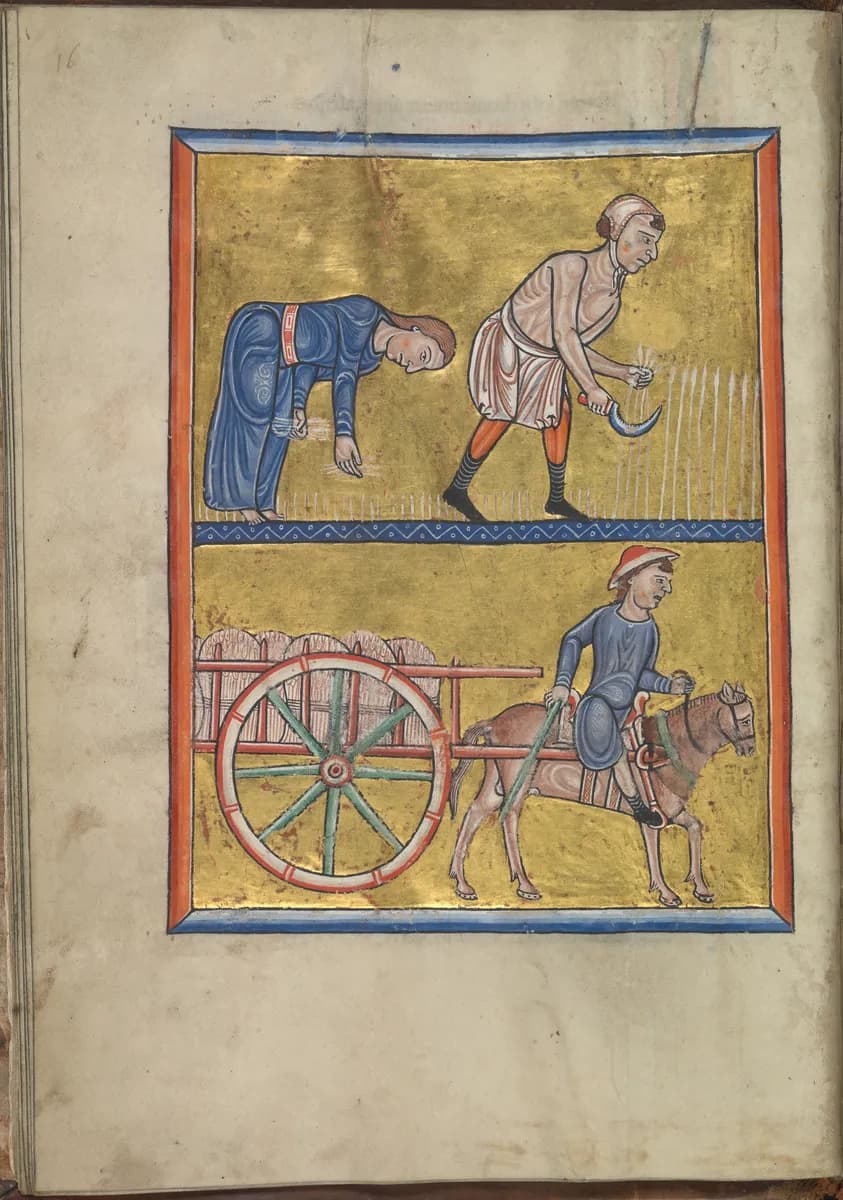
The law specifically prohibited harsh treatment of widows, with severe consequences for those who oppressed them. Their rights were to be respected, their clothing and cattle could not be pledged, and their children could not be sold for debt. Widows were to be invited to feasts accompanying sacrifices and tithe-offerings. Gleanings were left for them in fields, and they shared in battle spoils. Childless priest-widows living in their fathers' houses had a right to the priests' meat.
☩God's Special Care
Scripture presents God as the special protector of widows. He is called 'father of the fatherless and judge of the widows.' The Psalms declare that the Lord relieves the widows and sets their boundaries. The prophets strongly condemned those who oppressed widows, with Isaiah, Jeremiah, Ezekiel, and Malachi all pronouncing judgment on such injustice. Jesus Himself condemned the Pharisees for devouring widows' houses.
☩Widows in the Early Church
The early Church made careful provision for widows, with special ministration appointed under the apostles when Hellenist widows were being neglected in the daily distribution. Paul gave detailed instructions about caring for widows, distinguishing between those who were 'widows indeed'—destitute and without family support—and those whose relatives should provide for them. He emphasized that caring for widowed relatives was a cardinal obligation of piety, and failure to do so was worse than unbelief.
☩Notable Biblical Widows
Scripture records several notable widows including Naomi and Ruth, the widow of Zarephath who sustained Elijah during famine, and the woman whose sons Elisha saved from being sold for debt. In the Gospels, Anna the prophetess was a widow of great age who recognized the infant Jesus. Jesus praised the poor widow who cast her two mites into the treasury, giving all she had. He also raised the only son of the widow of Nain from death.
Related Verses92 mentions
References
- 1.John McClintock and James Strong, "Widow," in Cyclopedia of Biblical, Theological and Ecclesiastical Literature, vol. X (Harper & Brothers, 1867–1887).
- 2.James Orr (ed.), "Widow," in International Standard Bible Encyclopedia, vol. V (Howard-Severance Company, 1915).
- 3.James Hastings (ed.), "Widow," in Dictionary of Christ and the Gospels, vol. II (T. & T. Clark, 1906–1908).
- 4.James Hastings (ed.), "Widows," in Dictionary of the Apostolic Church, vol. II (T. & T. Clark, 1915–1918).