
Debt
Summary
Money or goods owed to another, subject to extensive Mosaic legislation protecting the poor while allowing reasonable commerce.
☩Mosaic Regulations
The Mosaic law strongly recommended lending to the poor but prohibited charging interest to fellow Israelites. Only foreigners could be charged interest. Debt was viewed as misfortune rather than normal commerce, and those in debt were to be treated with leniency, not oppression. Certain items could not be taken as pledge: millstones, essential garments, or a widow's necessities. Pledges had to be restored before sundown in some cases, and all debts were cancelled in the Sabbatical and Jubilee years.
☩Treatment of Debtors
Despite the law's protections, severe treatment of debtors became common. A widow might see her children sold into bondage to satisfy her husband's debts. Debtors themselves could be sold into temporary servitude to work off their obligations. By New Testament times, imprisonment for debt was practiced, as Jesus' parables indicate. The debtor could remain in prison until the last penny was paid, or until friends secured his release.
☩Figurative Use
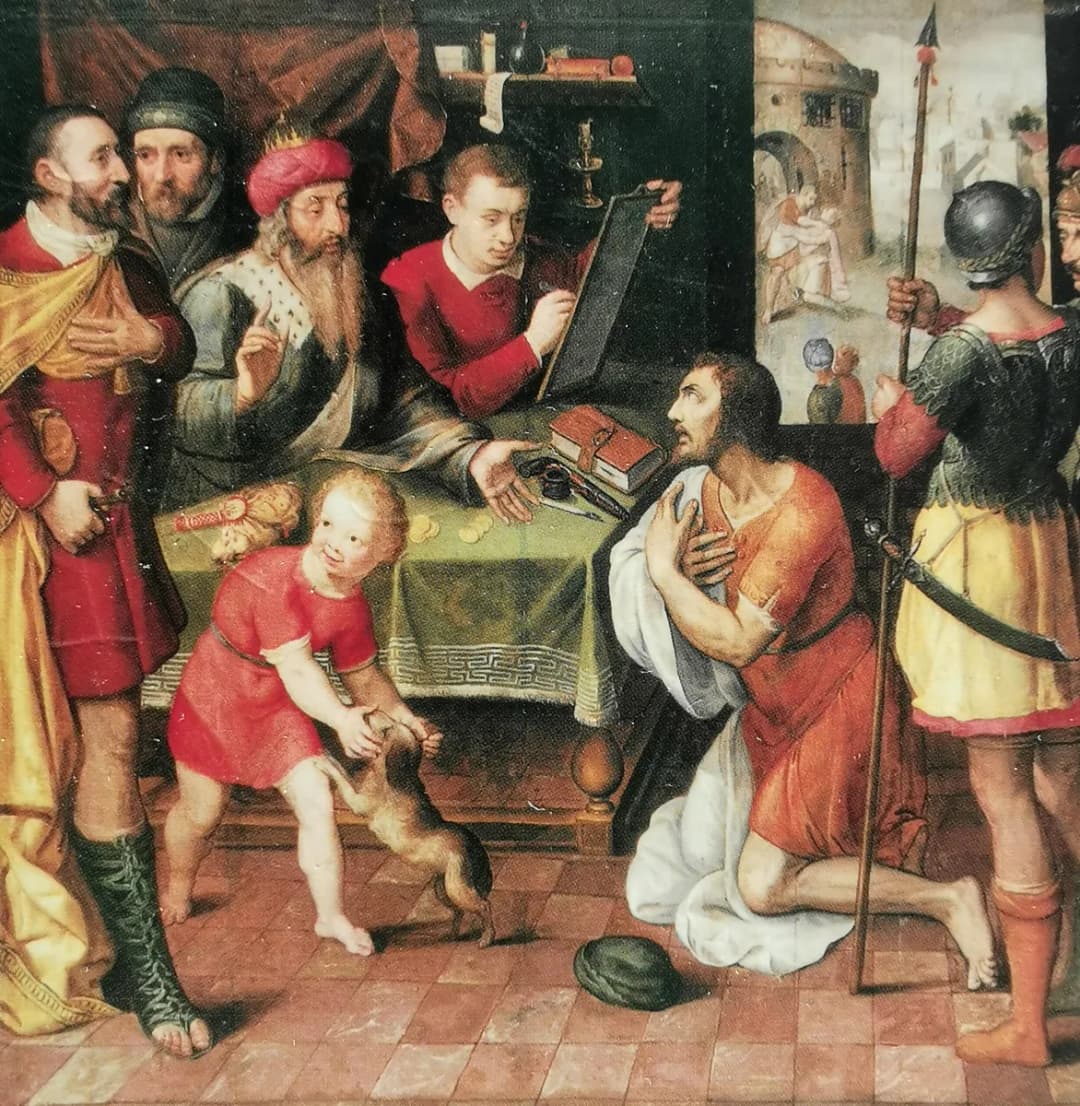
Scripture uses debt as a powerful metaphor for sin—our moral obligation to God that we cannot pay. The prayer 'Forgive us our debts' acknowledges this spiritual indebtedness. Jesus' parable of the Two Debtors illustrates that those who realize how much they have been forgiven will love much in return. The unforgiving servant who was released from an enormous debt yet would not forgive a trifling one demonstrates the expected response of the forgiven to those who owe them.
Related Verses19 mentions
References
- 1.John McClintock and James Strong, "Debt," in Cyclopedia of Biblical, Theological and Ecclesiastical Literature, vol. II (Harper & Brothers, 1867–1887).
- 2.James Orr (ed.), "Debt; Debtor," in International Standard Bible Encyclopedia, vol. II (Howard-Severance Company, 1915).