
Reaping
“To cut off, harvest”
Summary
Reaping, the harvest of crops, serves in Scripture both as a literal agricultural activity and as a powerful metaphor for the spiritual law of sowing and reaping.
☩Agricultural Practice
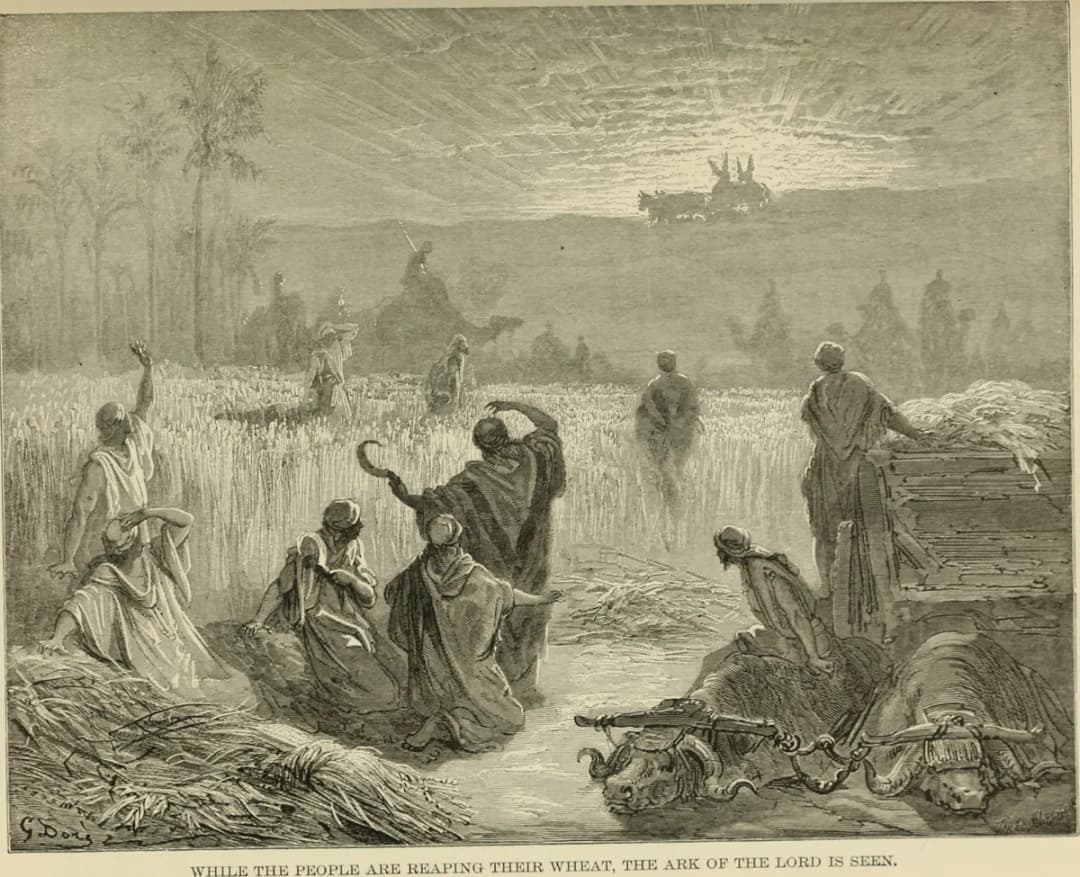
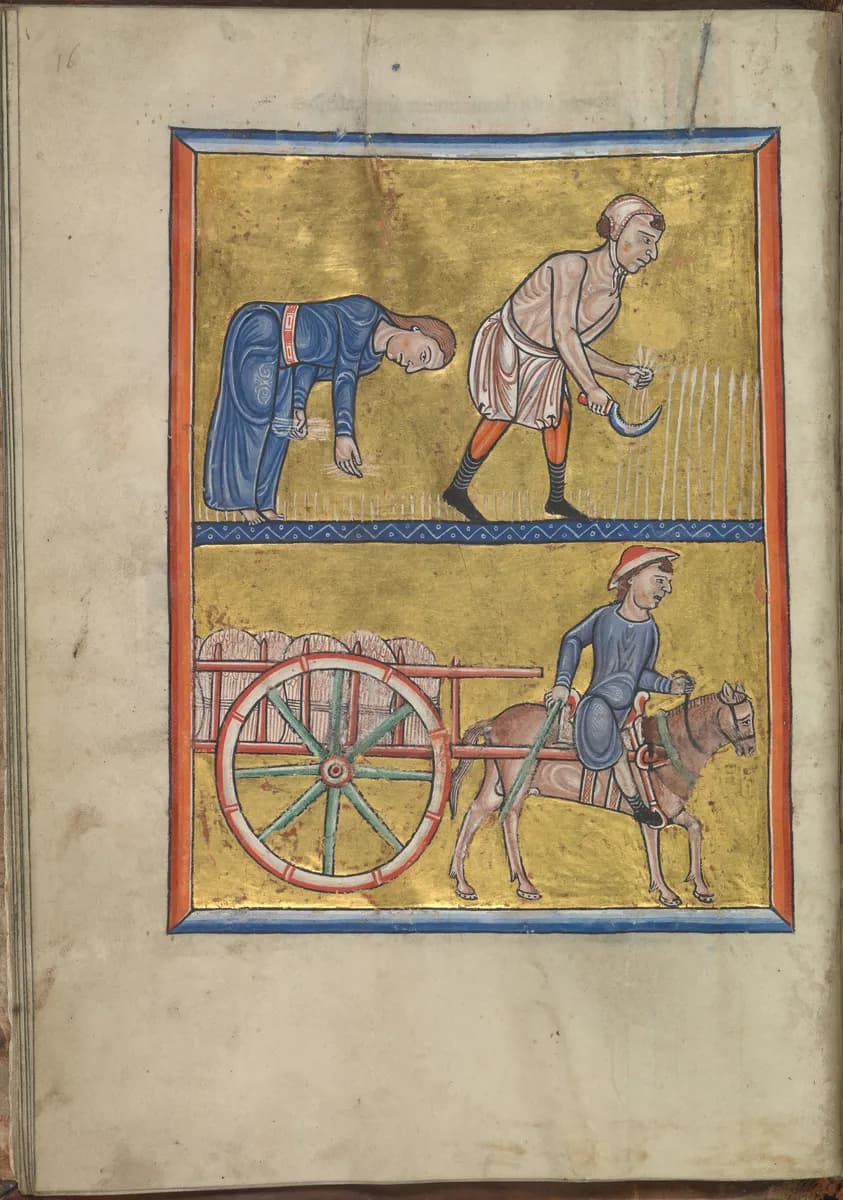
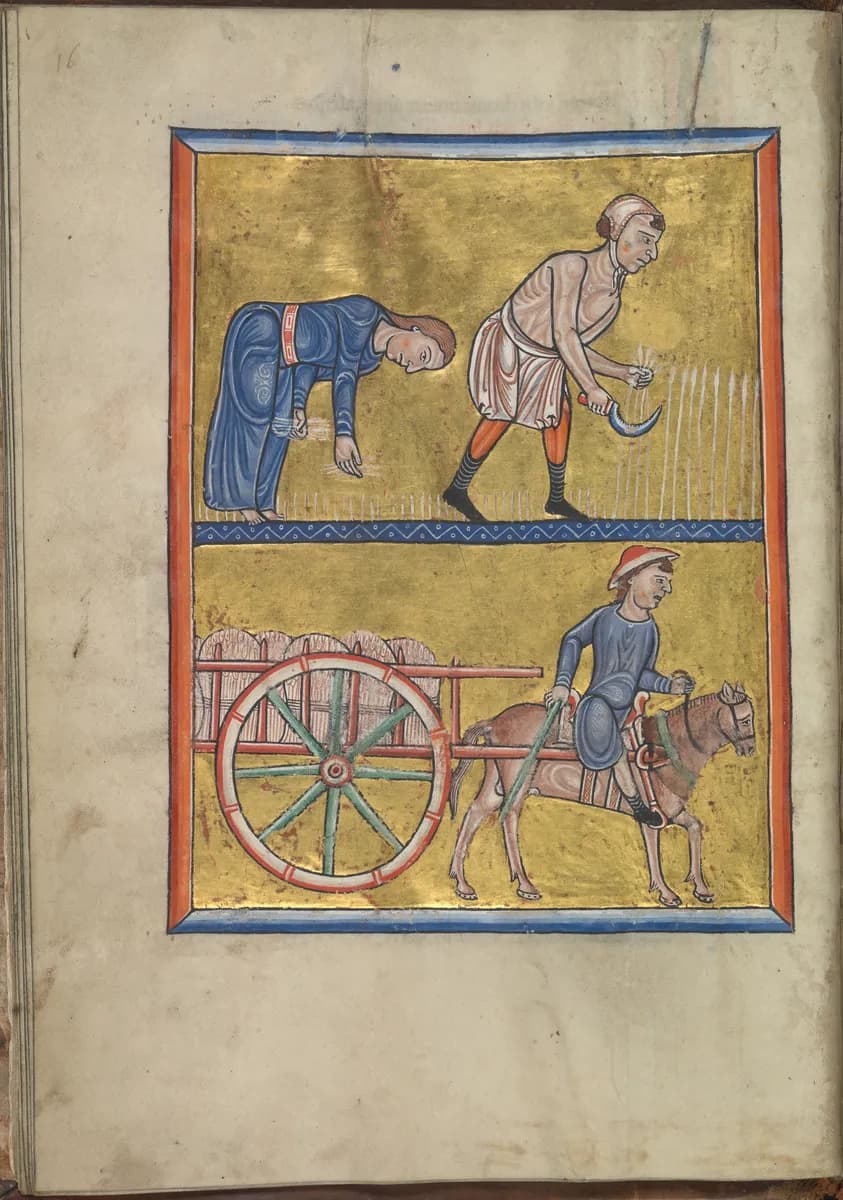
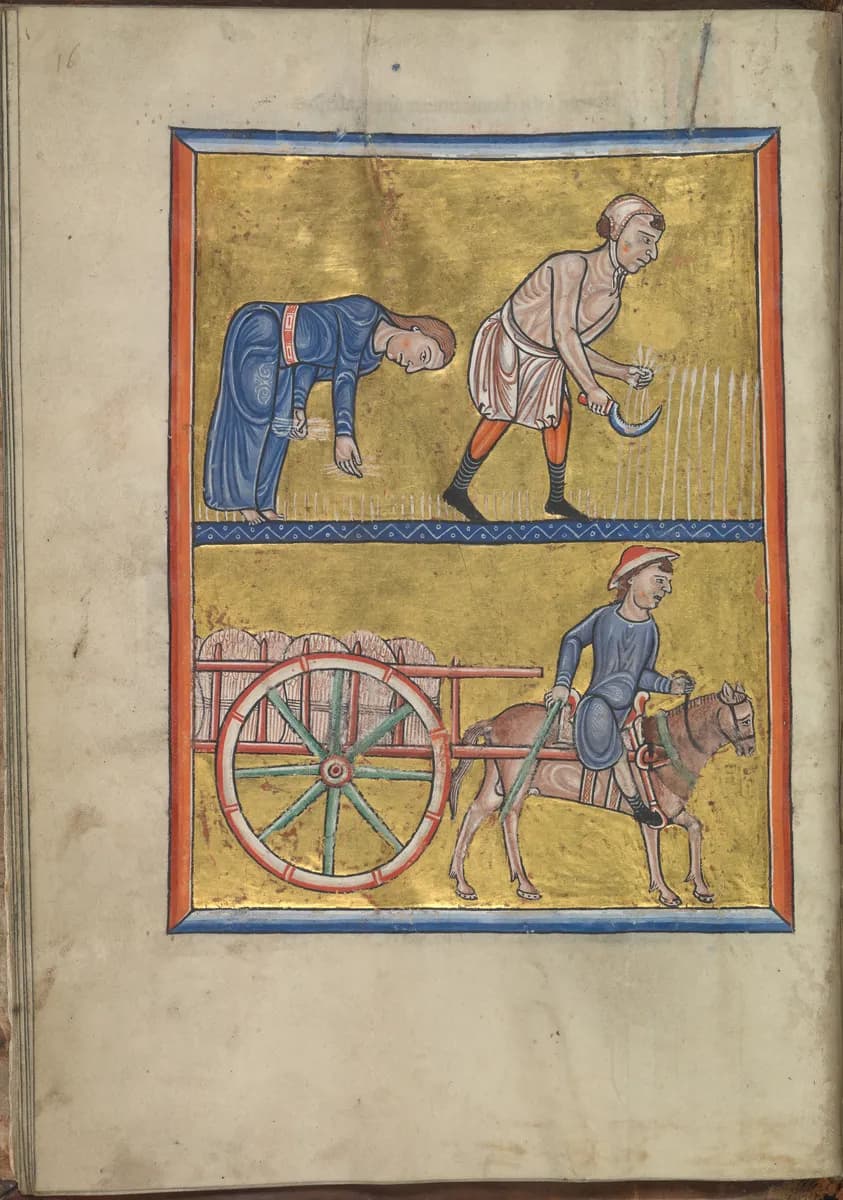
Reaping in ancient Israel was done by hand with sickles during the dry season, typically barley harvest in April and wheat harvest in May-June. Gleaning laws required that reapers leave the corners of fields and dropped grain for the poor and foreigners. The harvest was a time of joy and thanksgiving, celebrated especially in the Feast of Weeks (Pentecost).
☩Spiritual Principle
Scripture universally applies the principle: 'whatsoever a man soweth, that shall he also reap.' This immutable law operates in both blessing and judgment. Paul encourages believers that 'he which soweth sparingly shall reap also sparingly; and he which soweth bountifully shall reap also bountifully.' Those who sow to the Spirit will reap life everlasting; those who sow to the flesh will reap corruption.
☩The Final Harvest
Jesus used harvest imagery for the final judgment when His angels will separate wheat from tares. 'The harvest is the end of the world; and the reapers are the angels.' Revelation portrays the glorified Son of Man thrusting in His sickle to reap the earth's harvest. This final reaping will gather the righteous to glory and the wicked to judgment.
Related Verses40 mentions
See Also
References
- 1.John McClintock and James Strong, "Reaping," in Cyclopedia of Biblical, Theological and Ecclesiastical Literature, vol. VIII (Harper & Brothers, 1867–1887).
- 2.James Orr (ed.), "Reap; Reaping," in International Standard Bible Encyclopedia, vol. IV (Howard-Severance Company, 1915).
- 3.James Hastings (ed.), "Reaping," in Dictionary of Christ and the Gospels, vol. II (T. & T. Clark, 1906–1908).