
Corn
“Grain (from its increase)”
Summary
A general term in Scripture for grain of any kind, including wheat, barley, and other cereals, never referring to maize.
☩Terminology and Meaning
In Scripture, 'corn' refers to grain of any kind, never to maize or 'Indian corn' which was unknown in the ancient Near East. The most general Hebrew term is dagan, which encompasses all cereals and even some pulse and seeds. Another term, bar (meaning 'winnowed'), denotes cleansed corn purified from chaff and ready for use. The word sheber ('broken' or 'grist') refers to provisions or victuals, particularly grain as the principal food staple.
☩Types of Grain
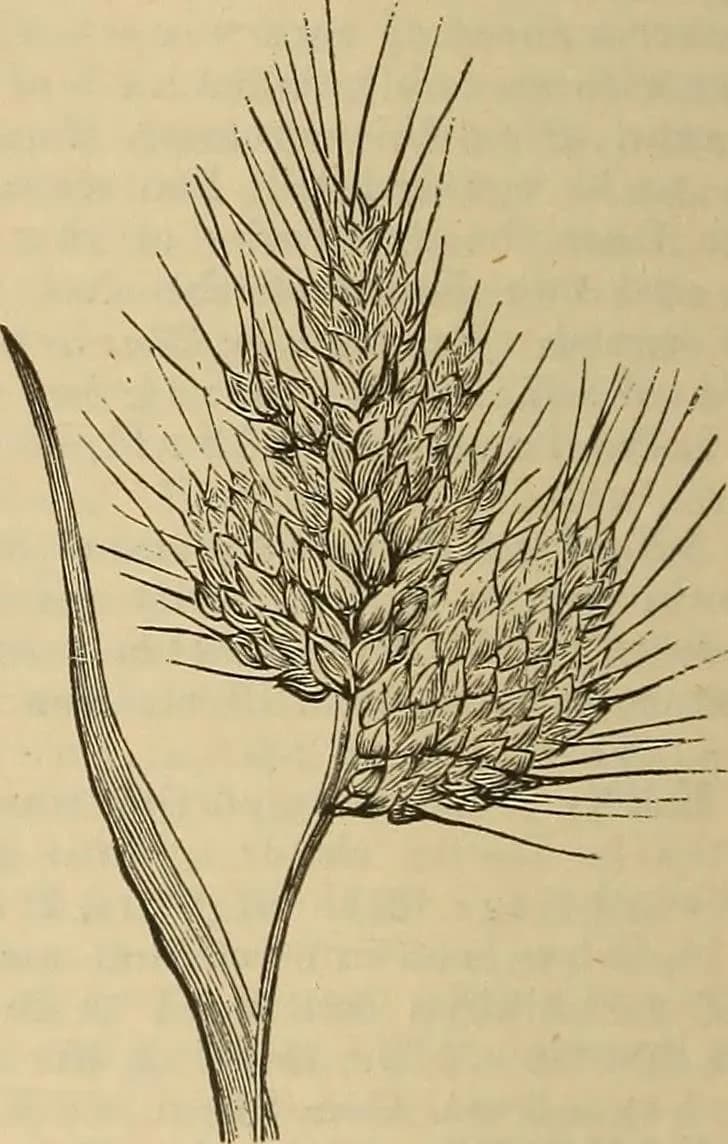
The most common types of corn in ancient Israel were wheat (chittah), barley (seorah), spelt (kussemeth, sometimes translated 'rye' or 'fitches'), and millet (dochan). Oats are mentioned only by rabbinical writers. Corn crops were reckoned at about twentyfold what was sown, and were anciently much more productive. The phenomenon of 'seven ears on one stalk' as in Pharaoh's dream was not unusual in Egypt, and many-eared stalks were common in Palestine's bearded wheat.
☩Laws and Customs
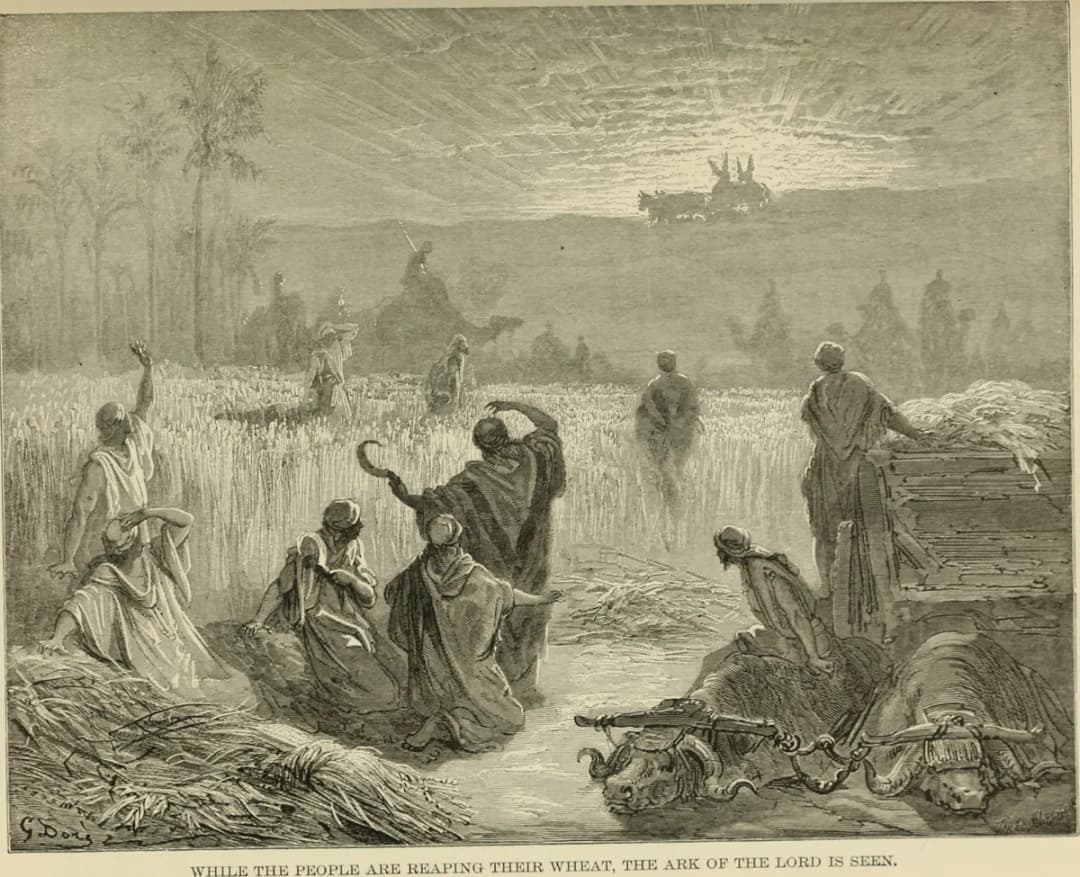
Mosaic law regulated the treatment of grain crops, including laws about burning shocks of corn and plucking heads of grain while passing through a neighbor's field. From Solomon's time, as agriculture developed under settled government, Palestine became a corn-exporting country, supplying the commercial city of Tyre. 'Plenty of corn' was part of Jacob's blessing upon his sons. Grain could be eaten parched or ground, and was often stored in dry wells or specially built storehouses.
Related Verses95 mentions
See Also


References
- 1.John McClintock and James Strong, "Corn," in Cyclopedia of Biblical, Theological and Ecclesiastical Literature, vol. II (Harper & Brothers, 1867–1887).
- 2.James Orr (ed.), "Corn," in International Standard Bible Encyclopedia, vol. II (Howard-Severance Company, 1915).