
Harlotry(harlot, whore, whoredom, whoremonger, prostitution, fornication)
“One who commits fornication, from zanah meaning to commit adultery or be unfaithful”
Summary
Harlotry refers to prostitution and sexual immorality, used both literally for commercial sexual activity and figuratively throughout Scripture to describe spiritual unfaithfulness to God.
☩Terms and Definitions
Several Hebrew and Greek terms relate to harlotry. The general Hebrew term zonah expresses licentiousness in both married and unmarried persons. The term kedeshah ("consecrated woman") refers specifically to cult prostitution connected with Syrian Astarte worship. The Hebrew nokriyah ("strange woman") indicates that foreign women were often found among the harlot class. In the New Testament, the Greek pornē and pornos (masculine) are consistently rendered "harlot" and "fornicator" in the Revised Version, replacing the older terms "whore" and "whoremonger" used interchangeably in the Authorized Version.
☩Mosaic Law and Prohibitions
Prostitution was strictly forbidden under Israelite law. Leviticus 19:29 prohibited causing one's daughter to become a harlot, and Deuteronomy 23:17-18 forbade both male and female cult prostitution among Israelites, declaring that the hire of a harlot could not be brought into the house of the Lord. The penalty for prostitution was death, usually by stoning. A priest's daughter guilty of harlotry was to be burned to death. Children born of such unions could not inherit with legitimate children.
☩Cult Prostitution in Ancient Worship
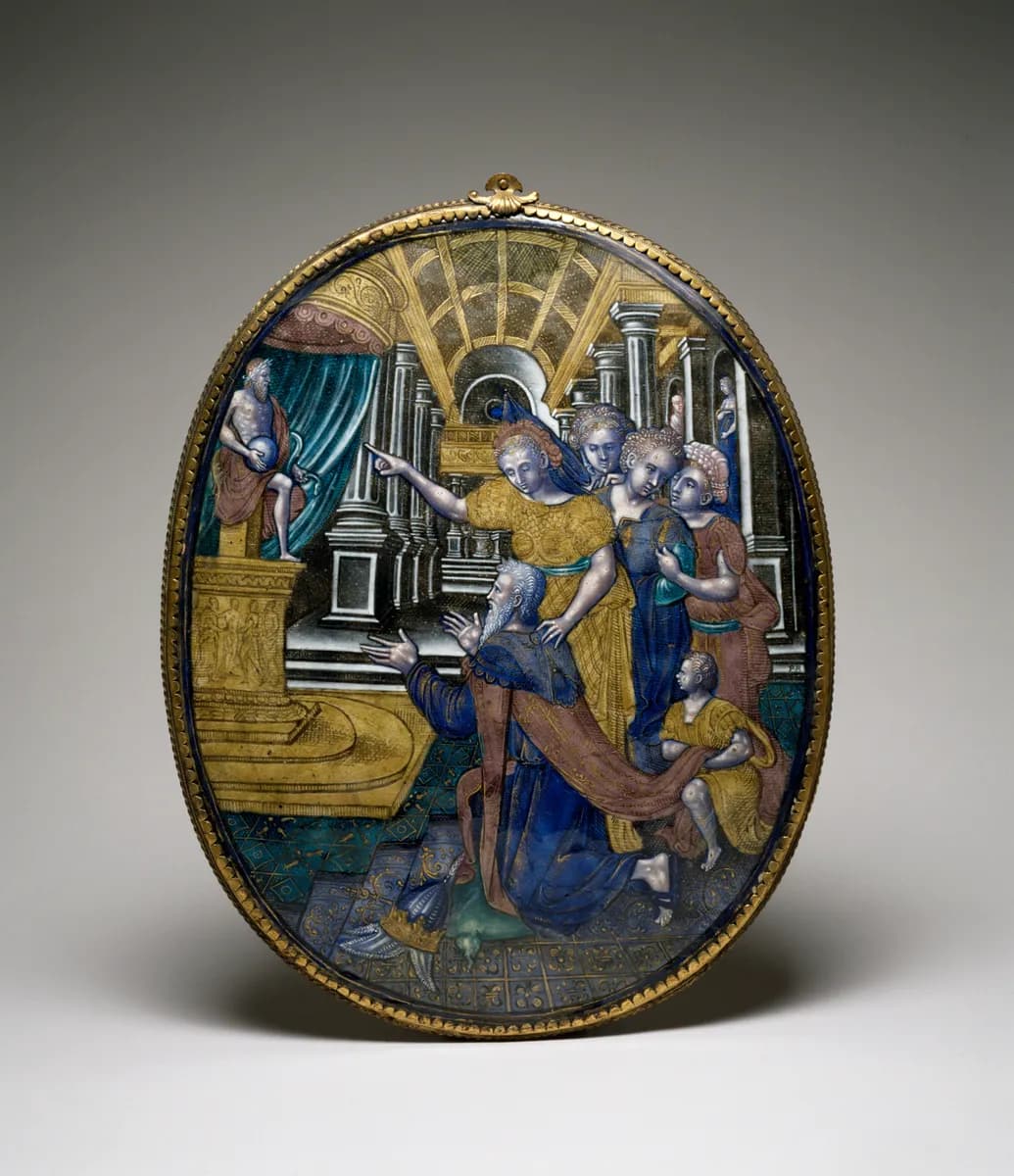
The abominable worship of the Syrian goddess Astarte (or Asherah) involved consecrated prostitution as a religious rite. The masculine form qadesh ("Sodomites") indicates male prostitution was also part of this vile worship. Herodotus describes similar impure customs in Babylonian worship of Mylitta and the worship of Dea Syra at Byblos. Israel's neighbors believed these sexual rites would bring increase to family, crops, and flocks. The idol Saccoth Benoth set up by Babylonians in Samaria had a name meaning "booths for their daughters," referring to this practice.
☩Prophetic Metaphor for Idolatry
The prophets powerfully employed harlotry as a metaphor for Israel's spiritual unfaithfulness. Isaiah lamented, "How is the faithful city become an harlot!" Ezekiel 16 presents an extended allegory of Jerusalem as an unfaithful wife who became a prostitute, worse even than common harlots because she paid her lovers rather than receiving payment. Hosea was commanded to marry a woman of harlotry to illustrate Israel's unfaithfulness to her divine Husband. This spiritual adultery often coincided with literal prostitution in idolatrous worship.
☩Jesus and the Harlots
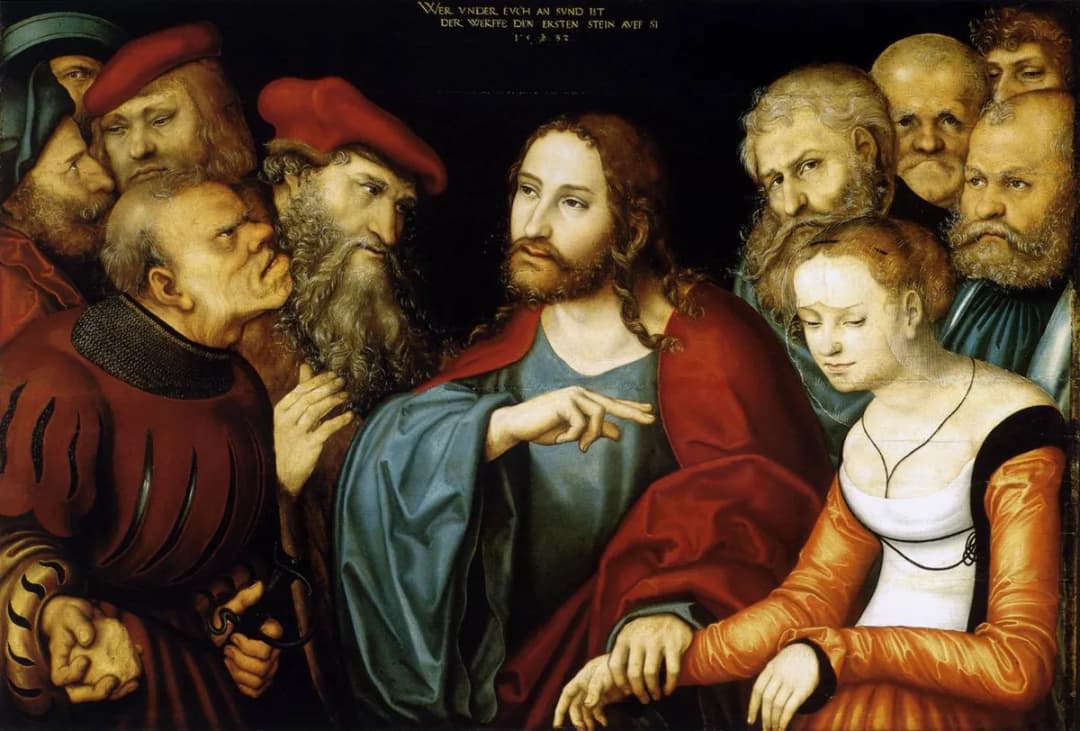
In contrast to the harsh attitude of the Pharisees, Jesus demonstrated holy and redemptive compassion toward prostitutes. He plainly indicated that sins of fleshly frailty are less heinous and less likely to prove fatal than lovelessness, spiritual pride, and hypocrisy, declaring that "the publicans and the harlots go into the kingdom of God before you". The story of the sinful woman in Luke 7 beautifully illustrates how newness of heart was intensified by the love and gratitude experienced at the Saviour's hands. Some prostitutes believed in Jesus and found forgiveness.
☩Babylon the Harlot
In Revelation 17-19, "the great harlot" Babylon represents the ultimate expression of the anti-God spirit symbolized by prostitution. This figure, dressed in royal purple and gold with pearls, rides upon a beast and holds a cup to intoxicate her paramours. She is designated "The mother of harlots"—not only unfaithful herself but the mother of such. While most interpreters identify this figure with Imperial Rome, the imagery extends to any anti-God political and commercial system that seduces the nations.
Related Verses150 mentions
See Also
References
- 1.Andrew Robert Fausset, "Harlot," in The Englishman's Critical and Expository Bible Cyclopædia (Hodder & Stoughton, 1878).
- 2.Matthew George Easton, "Harlot," in Easton's Bible Dictionary (T. Nelson and Sons, 1897).
- 3.James Hastings (ed.), "Harlot," in Dictionary of Christ and the Gospels, vol. I (T. & T. Clark, 1906–1908).
- 4.George Morrish, "Harlot," in Morrish's Concise Bible Dictionary (George Morrish, 1898).
- 5.Don Fleming, "Prostitution," in Bridgeway Bible Dictionary (Bridgeway Publications, 1990).