
Babylon(shinar)
“Confusion, or gate of God”
Summary
The ancient city on the Euphrates that became the capital of a vast empire, carried Judah into exile, and serves in Scripture as a symbol of worldly power opposed to God.
☩Origin and Location
Babylon was built by Nimrod in the plain of Shinar on the Euphrates River. The name derives from the Hebrew 'Babel,' connected with the confusion of languages at the tower, though the Babylonians understood it as 'Bab-il,' meaning 'gate of God.' The city was situated on both banks of the Euphrates, which divided it into two nearly equal parts, in a broad, fertile plain.
☩The Tower of Babel
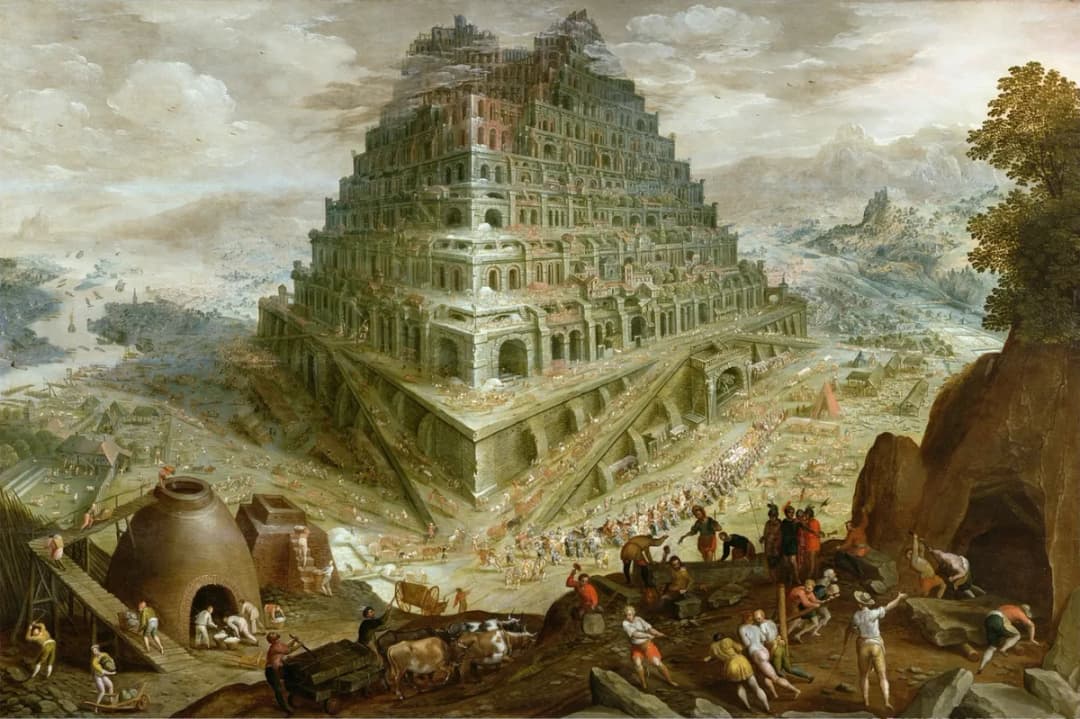
At Babel, humanity in its proud unity attempted to build a tower reaching to heaven, seeking to make a name for themselves and avoid being scattered. God confounded their language so they could not understand one another, and dispersed them across the earth. This event marks the origin of the nations and their diverse languages, and stands as a perpetual warning against human pride and autonomy from God.
☩The Babylonian Empire
Under Nebuchadnezzar, Babylon reached its greatest glory, becoming the 'golden head' of world empires in Daniel's vision. The city's walls, gates, temples, and hanging gardens were among the wonders of the ancient world. Nebuchadnezzar conquered Jerusalem three times, finally destroying it in 586 BC and carrying Judah into seventy years of exile. Daniel and his friends served at the Babylonian court.
☩Prophecies and Fall
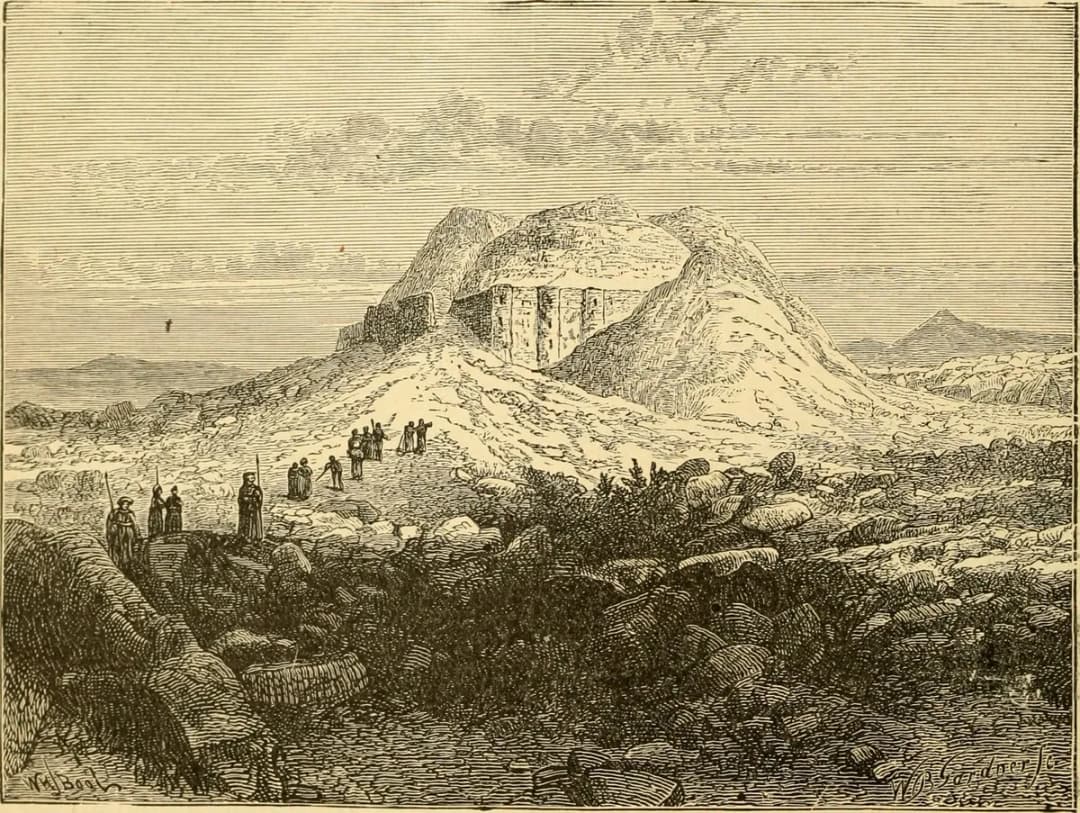
Isaiah and Jeremiah prophesied Babylon's destruction in vivid detail—that it would never be inhabited again, that Arabs would not pitch tent there, nor shepherds make their flocks lie down. In 539 BC, Cyrus the Persian captured the city by diverting the Euphrates and entering through the riverbed while Belshazzar feasted, exactly as Isaiah had foretold. The site became progressively desolate, fulfilling every prophetic detail.
☩Symbolic Babylon in Revelation
In Revelation, 'Babylon the Great' represents the world system in rebellion against God—the mother of harlots and abominations, drunk with the blood of saints. Whether this symbolizes Rome, apostate religion, or worldly civilization generally, her doom is certain: 'Babylon the great is fallen, is fallen.' The command to God's people echoes Jeremiah: 'Come out of her, my people, that ye be not partakers of her sins.'
Related Verses306 mentions
See Also
References
- 1.John McClintock and James Strong, "Babylon," in Cyclopedia of Biblical, Theological and Ecclesiastical Literature, vol. I (Harper & Brothers, 1867–1887).
- 2.James Orr (ed.), "Babylon in the New Testament," in International Standard Bible Encyclopedia, vol. I (Howard-Severance Company, 1915).
- 3.George Morrish, "Babylon," in Morrish's Concise Bible Dictionary (George Morrish, 1898).