Murmuring(complaint, discontentment, fault finding)
Summary
Complaining or grumbling, especially against God or His appointed leaders, a sin repeatedly committed by Israel in the wilderness.
☩Israel Against Moses
The Israelites repeatedly murmured against Moses: after Pharaoh increased their burdens (Exodus 5:21); at the Red Sea when Pharaoh pursued them (Exodus 14:11-12); at Marah over bitter waters (Exodus 15:24); in the wilderness of Sin over food (Exodus 16:2-3); at Rephidim over water (Exodus 17:2-3); at Kadesh after the spies' report (Numbers 14:2-4); and during Korah's rebellion (Numbers 16:2-3, 13-14, 41).
☩Against God
Moses clarified that Israel's complaints were ultimately against God: 'The LORD heareth your murmurings which ye murmur against him: and what are we? your murmurings are not against us, but against the LORD' (Exodus 16:8). Scripture warns: 'Neither murmur ye, as some of them also murmured, and were destroyed of the destroyer' (1 Corinthians 10:10). Paul commands: 'Do all things without murmurings and disputings' (Philippians 2:14).
☩Individual Examples
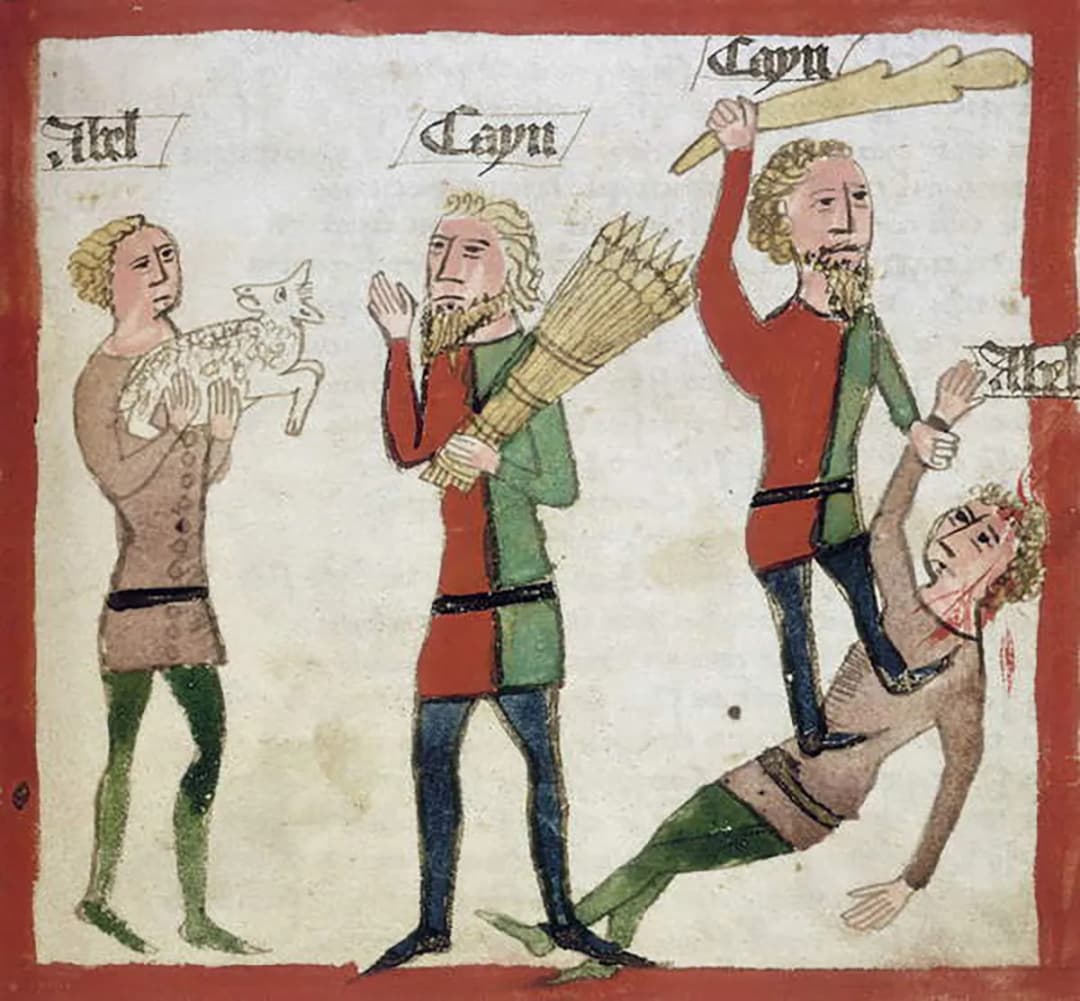
Cain murmured that his punishment was too severe (Genesis 4:13-14). Rachel complained to Jacob about her barrenness (Genesis 30:1). Moses himself complained about the burden of leadership (Numbers 11:11-15). Job expressed profound complaint during his suffering (Job 3; 6; 7; 9; 10). Elijah despaired under persecution (1 Kings 19:4, 10). Jeremiah cursed the day of his birth (Jeremiah 20:14-18).
☩Consequences
Murmuring brought divine judgment. Fire consumed the outskirts of the camp at Taberah (Numbers 11:1-3). A plague killed those who craved meat (Numbers 11:33). The congregation that believed the evil report died in the wilderness over forty years (Numbers 14:26-37). Korah and his followers were swallowed by the earth (Numbers 16). Fiery serpents killed murmurers (Numbers 21:5-6).
☩Root Causes
Murmuring stems from unbelief, ingratitude, and short memory. Israel forgot God's deliverance from Egypt. They doubted His ability to provide. They envied their former condition of slavery, forgetting its bitterness. The writer of Proverbs warns: 'The foolishness of man perverteth his way: and his heart fretteth against the LORD' (Proverbs 19:3). Ecclesiastes counsels: 'Say not thou, What is the cause that the former days were better than these? for thou dost not enquire wisely concerning this' (Ecclesiastes 7:10).