
Rebellion(insurrection, sedition)
“Bitterness, contrariness”
Summary
Rebellion in Scripture is the willful resistance to God's authority, described as being 'as the sin of witchcraft,' and exemplified in both angelic and human history.
☩The Nature of Rebellion
Rebellion is the deliberate refusal to submit to rightful authority, rooted in pride and self-will. Samuel's pronouncement to Saul—'Rebellion is as the sin of witchcraft'—reveals how seriously God views this sin. Just as witchcraft seeks power apart from God, rebellion rejects God's authority to establish one's own will as supreme. Both sins reflect the original temptation: 'Ye shall be as gods.'
☩Examples in Scripture
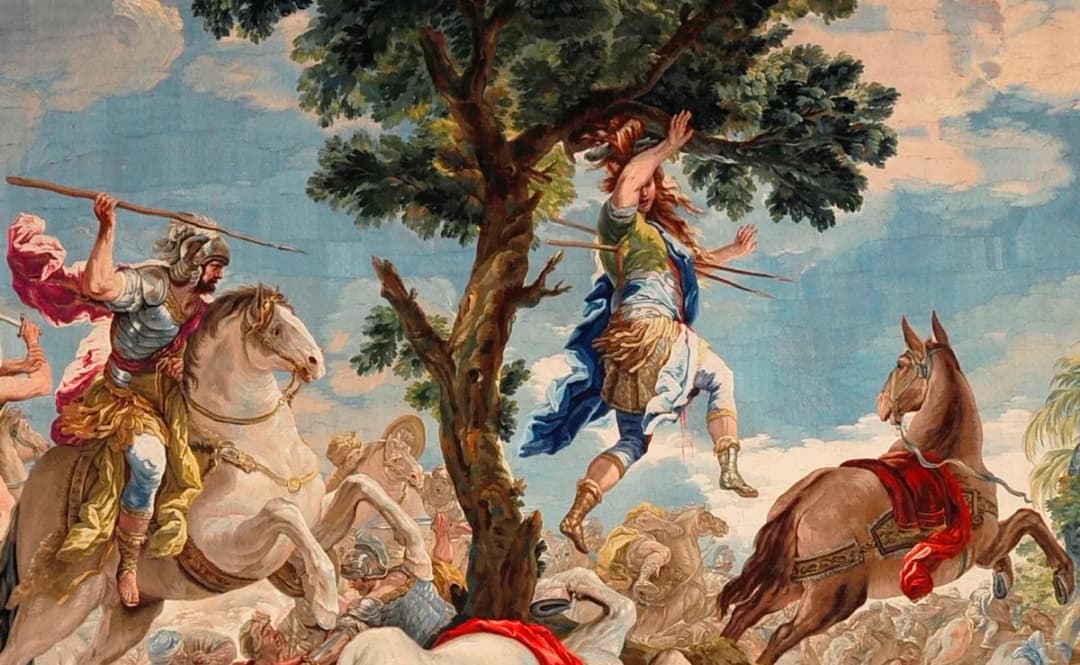
Scripture records numerous rebellions and their consequences. Korah, Dathan, and Abiram rebelled against Moses' leadership and were swallowed by the earth. Israel repeatedly rebelled in the wilderness, provoking God's wrath, and the generation that left Egypt died without entering Canaan. Absalom's rebellion against David nearly succeeded but ended in his death. Each rebellion brought divine judgment, demonstrating God's abhorrence of this sin.
☩Redemption from Rebellion
Despite humanity's persistent rebellion, God graciously provides redemption. Israel's history demonstrates both continual rebellion and God's repeated forgiveness when the people repented. Through Christ, rebels against God's authority can be reconciled and transformed from enemies into children. The gospel message calls rebels to lay down their arms and submit to the King who died to save them.
Related Verses24 mentions
References
- 1.John McClintock and James Strong, "Rebellion," in Cyclopedia of Biblical, Theological and Ecclesiastical Literature, vol. VIII (Harper & Brothers, 1867–1887).
- 2.James Orr (ed.), "Rebellion; Rebel," in International Standard Bible Encyclopedia, vol. IV (Howard-Severance Company, 1915).
- 3.Andrew Robert Fausset, "Rebellion," in The Englishman's Critical and Expository Bible Cyclopædia (Hodder & Stoughton, 1878).