
War(warfare)
“Milchamah, from lacham 'to fight'; Greek polemos”
Summary
War in Scripture is presented within God's sovereignty, with Israel's conflicts often serving divine purposes, while the ultimate hope remains the Prince of Peace bringing an end to warfare.
☩Divine Direction of War
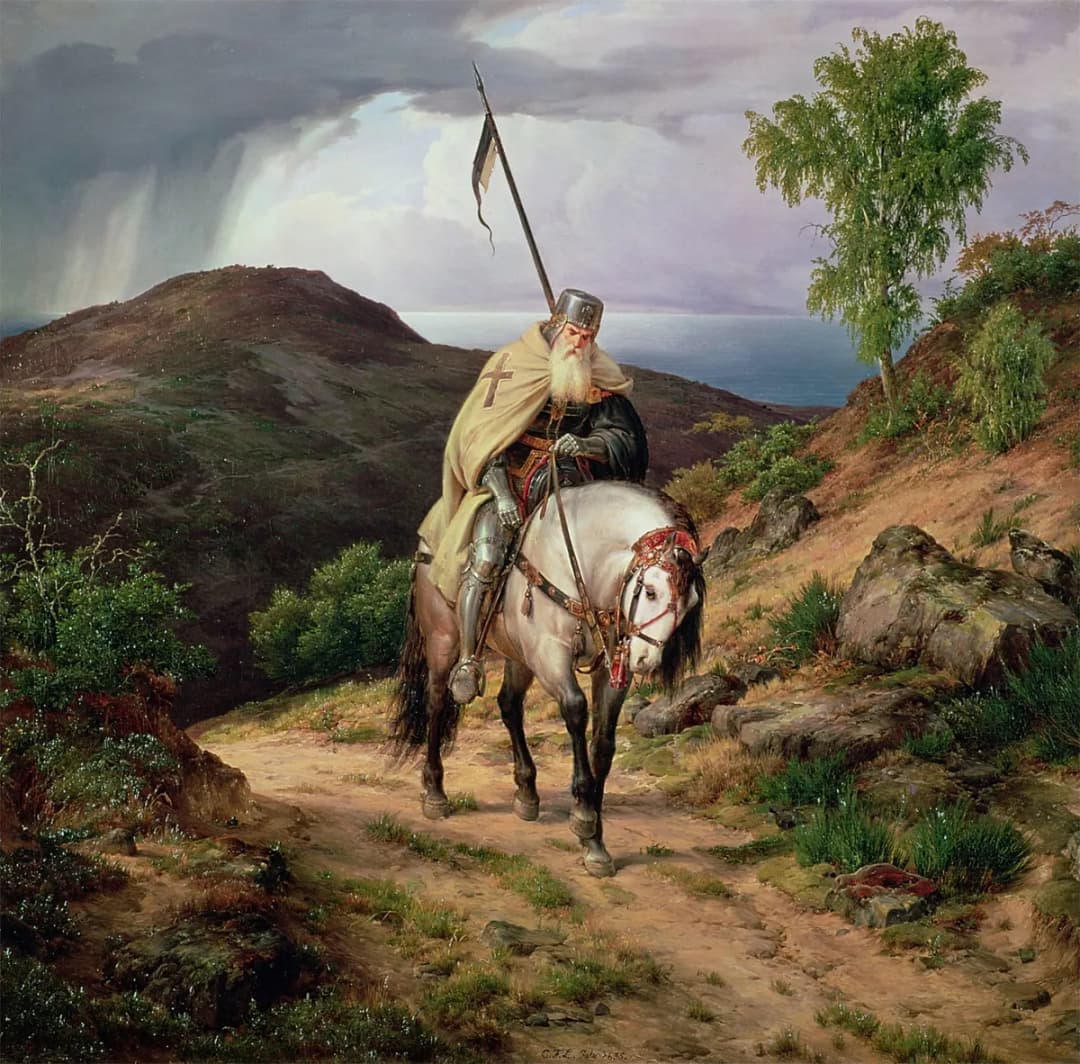
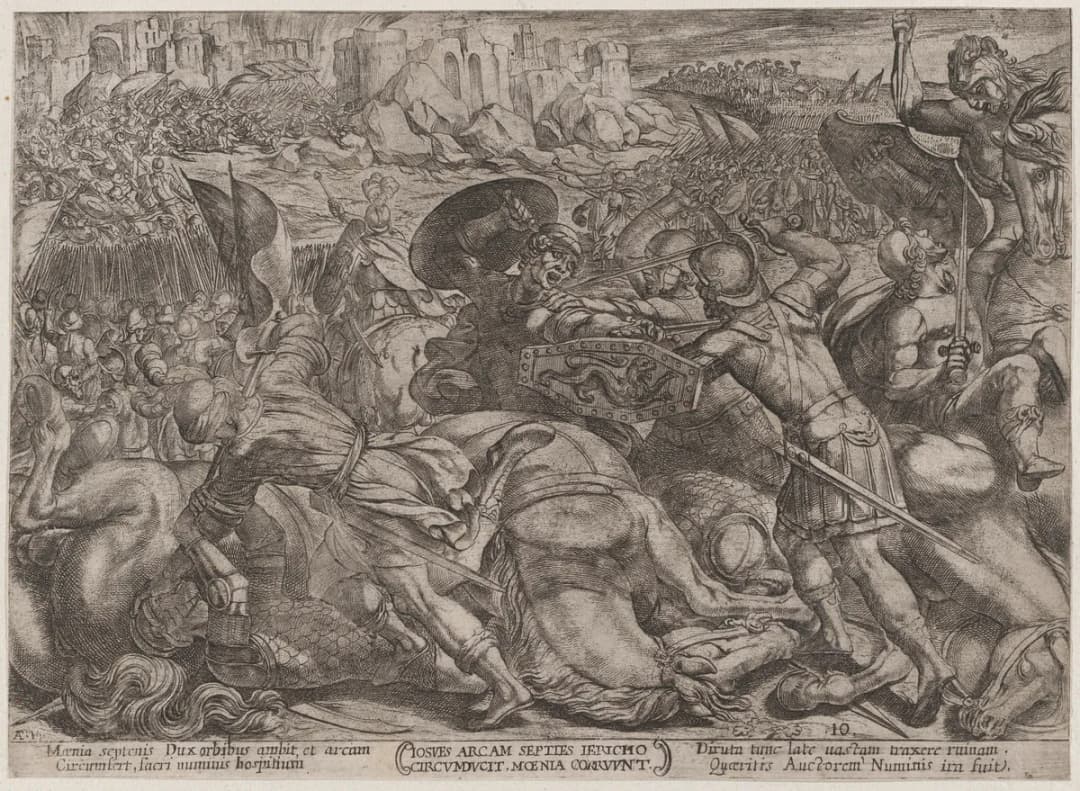
Israel's wars were typically understood as conducted under God's direction and with His assistance. The Lord is called 'a man of war,' and the Israelites inquired of Him before battle. The ark of the covenant sometimes accompanied the army as a symbol of God's presence. Victory was attributed to God rather than human might—Gideon's reduced army demonstrated this principle. Yet Israel was also warned that military success depended on covenant faithfulness.
☩Conduct of Warfare
The Mosaic law contained regulations for warfare including the exemption of certain persons from military service, the offering of peace before besieging a city, and treatment of captives. Canaanite cities were to be devoted to destruction (herem) as an act of judgment, though distant cities could be spared on terms. Soldiers underwent ritual purification after battle. The spoils of war were typically divided among warriors, the community, and God's sanctuary.
☩Spiritual Warfare
The New Testament transforms warfare imagery to spiritual conflict. Believers wrestle not against flesh and blood but against principalities and powers, requiring spiritual armor. Christ leads His people in triumphal procession. The ultimate vision is of the Prince of Peace whose kingdom shall have no end—He will judge between nations, and they shall beat their swords into plowshares and learn war no more.
Related Verses436 mentions

References
- 1.John McClintock and James Strong, "War," in Cyclopedia of Biblical, Theological and Ecclesiastical Literature, vol. X (Harper & Brothers, 1867–1887).
- 2.James Hastings (ed.), "War," in Dictionary of the Apostolic Church, vol. II (T. & T. Clark, 1915–1918).