
Slothfulness(laziness)
Summary
Habitual laziness, idleness, and disinclination to work—a sin condemned throughout Scripture as bringing poverty and shame.
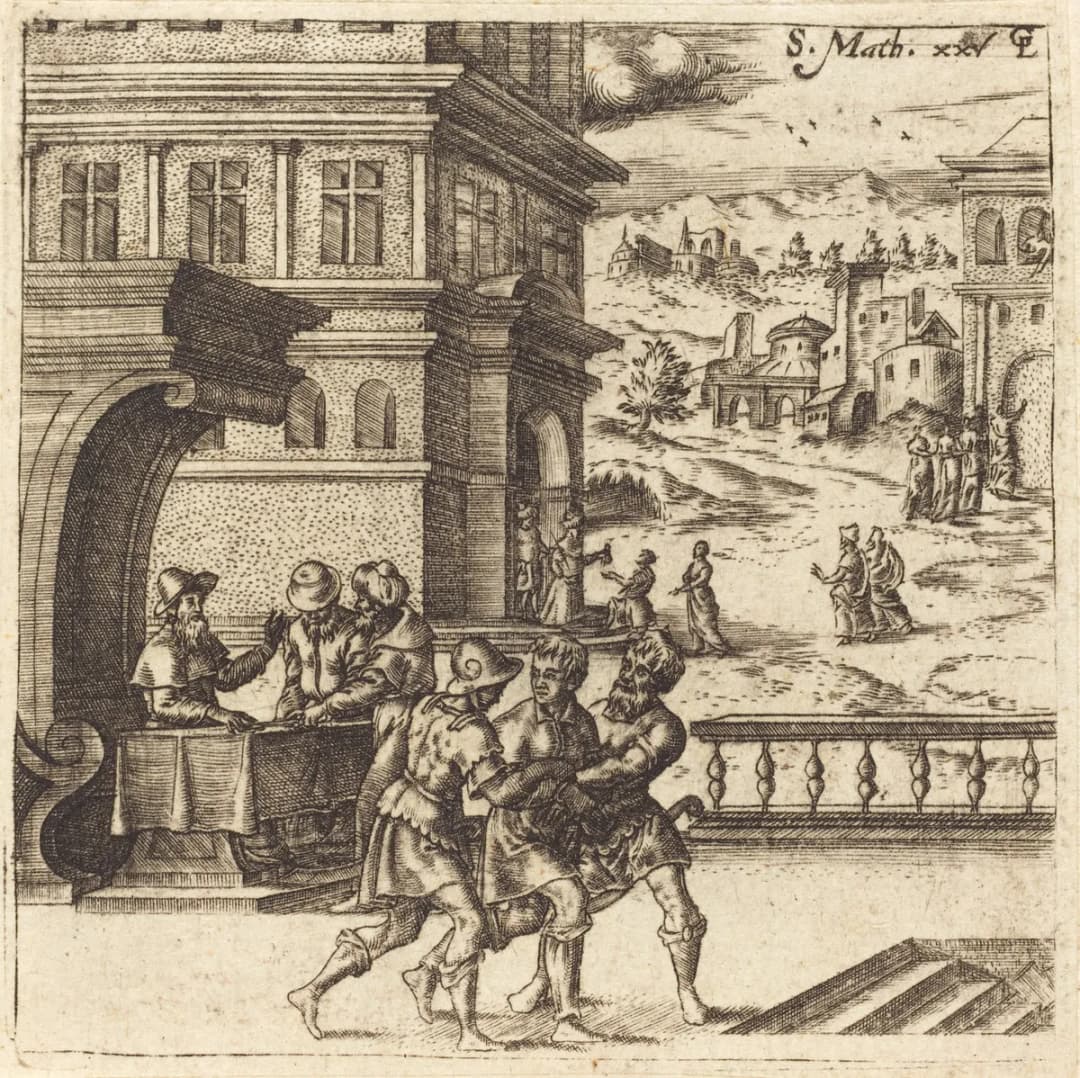
☩The Slothful Servant
In Jesus' parable of the talents, the man with one talent who buried it was condemned as 'wicked and slothful.' The words were well coupled—he was wicked because he had been slothful. It is the man of limited gifts who is most tempted by this sin, yet genius has yielded to sloth as well as mediocrity.
☩Proverbs on Laziness
'Go to the ant, thou sluggard; consider her ways, and be wise.' The sluggard turns on his bed like a door on hinges; he hides his hand in his dish and will not bring it to his mouth again. 'A little sleep, a little slumber, a little folding of the hands to rest'—so poverty comes like an armed man.
☩New Testament Teaching
'Not slothful in business; fervent in spirit; serving the Lord.' Paul warned the Thessalonians against idleness: 'If any would not work, neither should he eat.' The apostle himself was 'in labours most abundant' and set the example of diligent labor. The sluggard's building decays through idleness of hands.
Related Verses23 mentions
References
- 1.James Hastings (ed.), "Slothfulness," in Dictionary of Christ and the Gospels, vol. II (T. & T. Clark, 1906–1908).
- 2.James Hastings (ed.), "Slothfulness," in Dictionary of Christ and the Gospels, vol. II (T. & T. Clark, 1906–1908).
- 3.James Hastings (ed.), "Slothfulness," in Dictionary of Christ and the Gospels, vol. II (T. & T. Clark, 1906–1908).
- 4.James Hastings (ed.), "Slothfulness," in Dictionary of Christ and the Gospels, vol. II (T. & T. Clark, 1906–1908).
- 5.James Hastings (ed.), "Slothfulness," in Dictionary of Christ and the Gospels, vol. II (T. & T. Clark, 1906–1908).
- 6.James Hastings (ed.), "Slothfulness," in Dictionary of Christ and the Gospels, vol. II (T. & T. Clark, 1906–1908).
- 7.James Hastings (ed.), "Slothfulness," in Dictionary of Christ and the Gospels, vol. II (T. & T. Clark, 1906–1908).