
Miracles(cures)
Summary
Miracles are supernatural acts of divine power that transcend the ordinary course of nature, performed as signs to authenticate God's messengers and revelation.
☩Biblical Terminology
Three Greek words describe miracles in the New Testament: semeion ('sign'), emphasizing the spiritual instruction conveyed; teras ('wonder' or 'prodigy'), describing the effect on spectators; and dunamis ('power' or 'mighty work'), indicating the superhuman source. Significantly, Christ's miracles are never called merely 'wonders' (terata) alone—this word always appears combined with 'signs,' distinguishing them from mere prodigies meant only to astonish. A Christian miracle is not simply an unusual event but is intended for instruction and as authentication of divine mission.
☩Purpose and Character
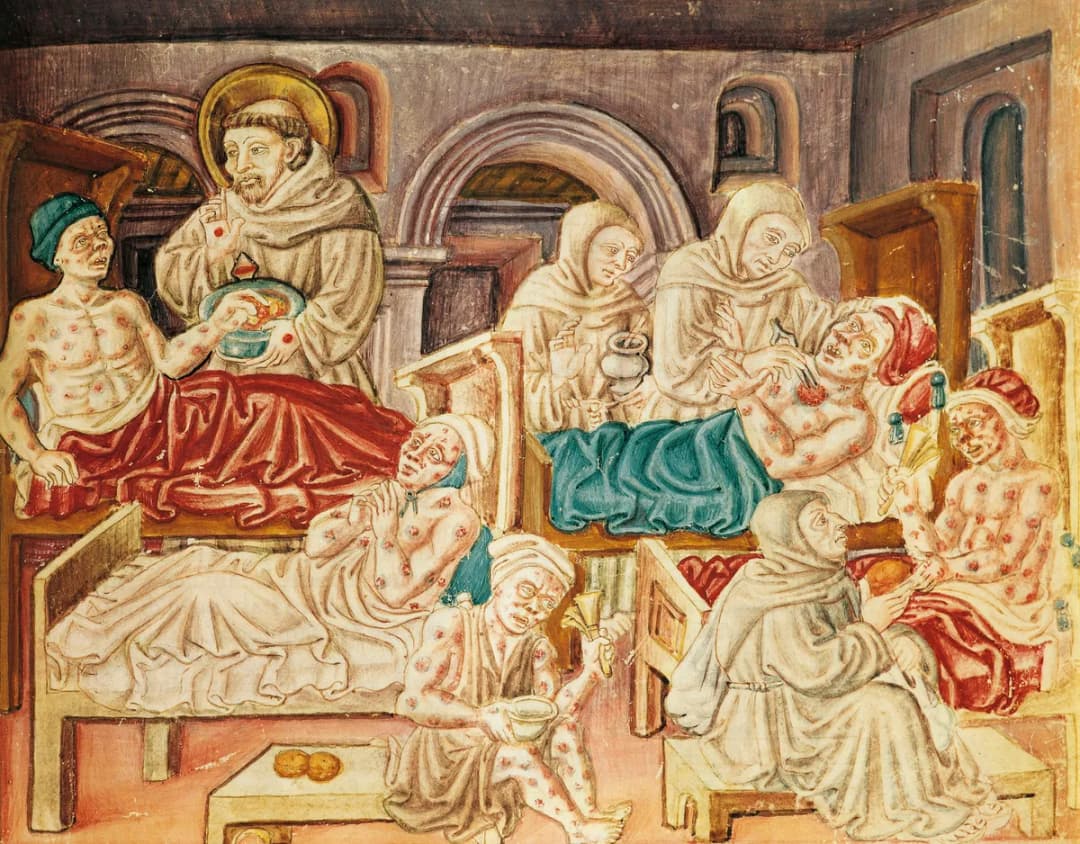
Miracles served primarily as divine credentials. Jesus appealed to His works as evidence of His divine commission: 'The works which the Father has given Me to accomplish—these very works that I do—testify about Me.' Unlike the miracles alleged in apocryphal writings, which are often arbitrary displays or repulsive exhibitions, biblical miracles were beneficial, helpful, instructive, and worthy of God as their author. Nearly all miracles performed by Jesus and the apostles promoted human welfare—healing diseases, casting out demons, and thus spoiling Satan's kingdom.
☩Miracles and Natural Law
A miracle is not a 'violation of the laws of nature' but rather God's direct action upon nature—the introduction of a higher law controlling and suspending the action of lower physical laws. Just as human will can counteract gravity by lifting a stone without violating natural law, so God's will can introduce new elements without destroying the natural order. God, who established the laws of nature, has authority to suspend them for His purposes. The objection that miracles contradict experience fails because it limits 'experience' to the present age; the experience of the original witnesses attests the miracles' truth.
☩Old Testament Miracles
Moses was enabled to work miracles for two purposes: to convince Israel that God had sent him, and to demonstrate God's power to Pharaoh through the ten plagues. The miracles of the Exodus—parting the Red Sea, manna from heaven, water from the rock—established Israel's faith in God's supernatural care. Later prophets including Elijah and Elisha performed miracles confirming their prophetic office. Notably, many Old Testament heroes such as Abraham, David, and the patriarchs never appear as miracle workers, showing Scripture's restraint in attributing supernatural power.
☩Miracles of Christ and the Apostles
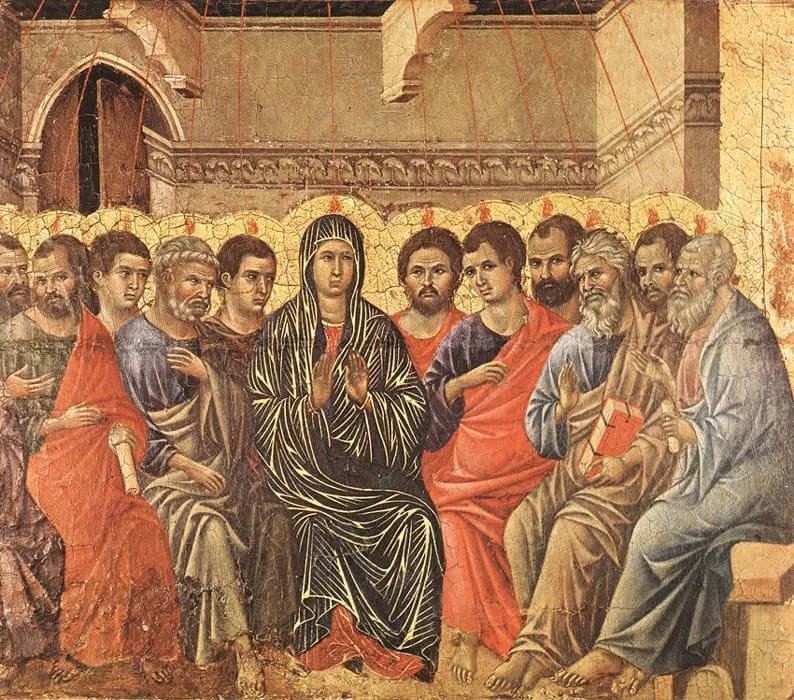
Jesus' miracles were not merely wonders but signs of the nature of His ministry and divine person. They demonstrated His power over disease, demons, death, and nature itself. The apostles received power to perform miracles as Christ's commissioned representatives, authenticating their message during the foundational period of the church. Early church history records that miraculous gifts, especially casting out demons, continued while Christians faced persecution—a visible evidence of divine power. Once Christianity was established and Scripture complete, such signs were no longer normatively needed.
☩False Miracles
Scripture warns that Satan can produce counterfeit signs and wonders. The Egyptian magicians replicated some of Moses' miracles; false prophets and false messiahs will perform deceptive signs. The coming man of sin will operate with 'all power and signs and lying wonders' to deceive those who reject the truth. Christians are warned not to follow signs that lead away from the true God, regardless of their apparent supernatural character.
Related Verses261 mentions
References
- 1.James Hastings (ed.), "Miracles," in Dictionary of the Apostolic Church, vol. II (T. & T. Clark, 1915–1918).
- 2.James Hastings (ed.), "Miracles," in Dictionary of Christ and the Gospels, vol. II (T. & T. Clark, 1906–1908).
- 3.John McClintock and James Strong, "Miracles," in Cyclopedia of Biblical, Theological and Ecclesiastical Literature, vol. VI (Harper & Brothers, 1867–1887).
- 4.F. N. Peloubet & M. A. Peloubet (ed.), "Miracles," in Smith's Bible Dictionary (Porter & Coates, 1884).
- 5.George Morrish, "Miracles," in Morrish's Concise Bible Dictionary (George Morrish, 1898).
- 6.Andrew Robert Fausset, "Miracles," in The Englishman's Critical and Expository Bible Cyclopædia (Hodder & Stoughton, 1878).