
Measure(homer)
Summary
Measures in Scripture refer to various systems of determining quantity, whether of capacity for dry or liquid goods, or of length for distance and dimension.
☩Dry Measures
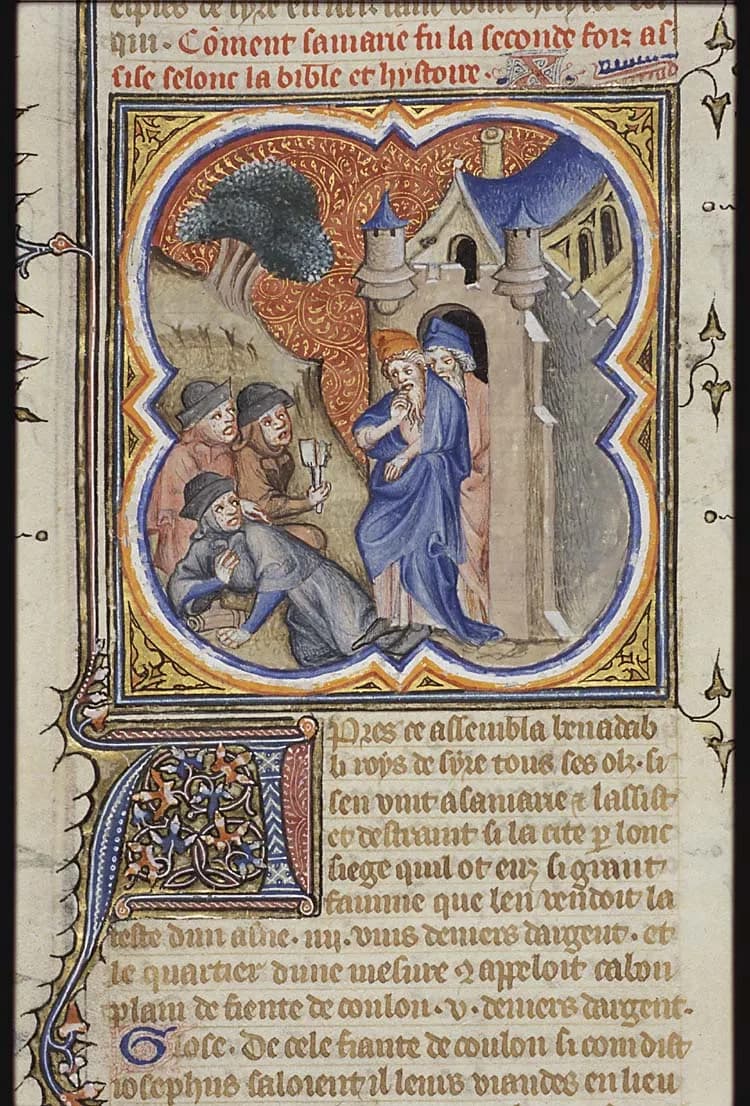
The principal Hebrew dry measures included the homer (about eleven bushels), which was equal to a cor or ten ephahs. The ephah (about one and a half bushels) was the standard measure for grain and was equal to three seahs. Smaller measures included the seah (about a peck and a half), the omer (about one bushel), and the kab (about two quarts). These measures were used for grain offerings, household provisions, and commercial transactions throughout the Old Testament period.
☩Liquid Measures
For liquids, the bath (about eight and a half gallons) corresponded to the ephah for dry goods. The hin (about a gallon and a half) was commonly used for wine and oil in sacrificial regulations. The smallest liquid measure was the log (about a pint), which was one-twelfth of a hin. In the New Testament, the Greek firkin (about nine gallons) appears in the account of Jesus turning water to wine, while the measure (choinix) mentioned in Revelation was about a quart.
☩Linear Measures
Linear measures began with the finger, handbreadth, and span, progressing to the cubit (about eighteen inches), the standard unit of length. Larger distances were measured by the reed (about six cubits), the pace, the furlong, and the mile. The Sabbath day's journey, mentioned in Acts, was approximately two thousand paces—the distance from the camp to the tabernacle that Israelites were permitted to travel on the Sabbath.
☩Moral Requirements
The Law explicitly required that all measures be just and honest, forbidding the use of 'divers measures' or false balances. Proverbs declares that 'a false balance is abomination to the LORD: but a just weight is his delight.' The prophets denounced those who made the ephah small and used deceitful weights to cheat the poor. This ethical dimension reflects God's concern for justice in commercial dealings and His condemnation of all forms of fraud.
Related Verses161 mentions
References
- 1.John McClintock and James Strong, "Measure," in Cyclopedia of Biblical, Theological and Ecclesiastical Literature, vol. VI (Harper & Brothers, 1867–1887).
- 2.James Orr (ed.), "Measure; Measures," in International Standard Bible Encyclopedia, vol. III (Howard-Severance Company, 1915).