
Alliances(league)
Summary
Confederacies formed by treaty between nations for mutual advantage, which Israel was forbidden to make with idolatrous peoples but permitted with distant nations unlikely to corrupt their worship.
☩Covenant Rituals
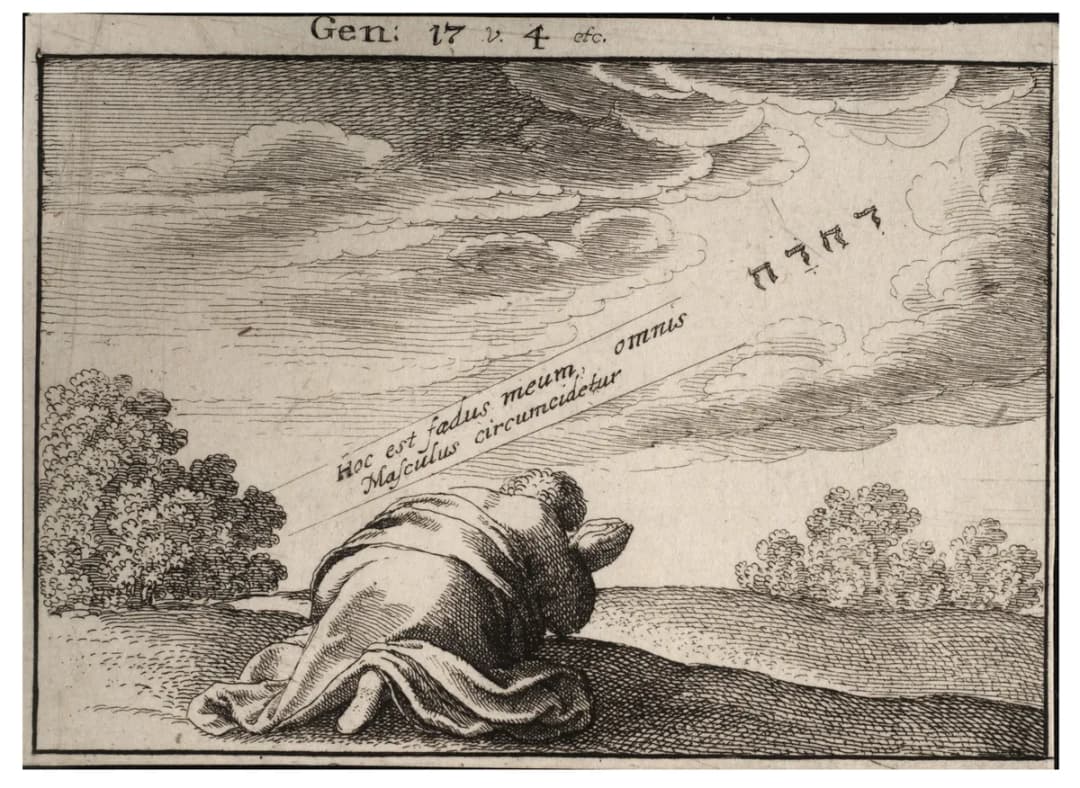
The formation of an alliance was attended with various religious rites, most notably the slaying and dividing of a victim into two parts, between which the contracting parties passed. This ritual symbolized the doom awaiting any who violated the treaty, with the Hebrew and Greek terms for making a covenant literally meaning "to cut" it. Salt was used as a symbol of fidelity, leading to the phrase "covenant of salt" to describe an indissoluble agreement. Additional elements included oaths, celebratory feasts, the erection of memorial pillars or stone heaps, and the exchange of presents by the parties seeking alliance.
☩Prohibitions and Permissions
While alliances with the doomed Canaanite nations were strictly forbidden due to the danger of idolatrous influence, Israel was permitted peaceful relations with distant nations. Before the Mosaic law, such alliances were tolerated, as seen in Abraham's confederacy with Canaanitish princes and his formal treaty with Abimelech. Under the monarchy, alliances became essential to secure commerce; Solomon's league with Hiram of Tyre for building the temple was considered wholly appropriate. The prophets, however, frequently warned against dangerous connections that could undermine faith in God alone.
☩Marriage Alliances
The most spiritually perilous alliances were those formed through intermarriage with idolaters. Solomon's alliance with Pharaoh by marriage was the precursor to importing horses contrary to the law, leaning on human forces rather than God, and ultimately contracting marriages with Moabite, Ammonite, Edomite, Sidonian, and Hittite wives who seduced him from faithfulness. The marriage of Ahab to Jezebel, daughter of the king of Tyre, produced a long train of evils for both kingdoms of Israel and Judah. At the return from Babylon, leaders took great care to guard against this same danger.
☩Fidelity to Covenants
The Jews maintained a remarkable reputation for scrupulous adherence to their sworn engagements, even when obtained through deception. The case of the Gibeonites demonstrates this commitment: though Israel had been deceived into the alliance, having been confirmed by oaths it was deemed inviolable. The prophet Ezekiel pronounced terrible denunciations upon King Zedekiah for violating his sworn covenant with Babylon. Any breach of covenant, even with pagan nations, was visited with severe divine punishment.
Related Verses57 mentions

References
- 1.John McClintock and James Strong, "Alliance," in Cyclopedia of Biblical, Theological and Ecclesiastical Literature, vol. I (Harper & Brothers, 1867–1887).
- 2.F. N. Peloubet & M. A. Peloubet (ed.), "Alliances," in Smith's Bible Dictionary (Porter & Coates, 1884).
- 3.Andrew Robert Fausset, "Alliances," in The Englishman's Critical and Expository Bible Cyclopædia (Hodder & Stoughton, 1878).
- 4.John Kitto, "Alliances," in A Cyclopedia of Biblical Literature, vol. I (Mark H. Newman, 1845).