
Anointing
“To smear or spread over, to consecrate”
Summary
The act of applying oil to a person or object for purposes of refreshment, healing, or consecration, used in Scripture both literally for priests, kings, and the sick, and figuratively for the imparting of the Holy Spirit.
☩Ordinary Usage
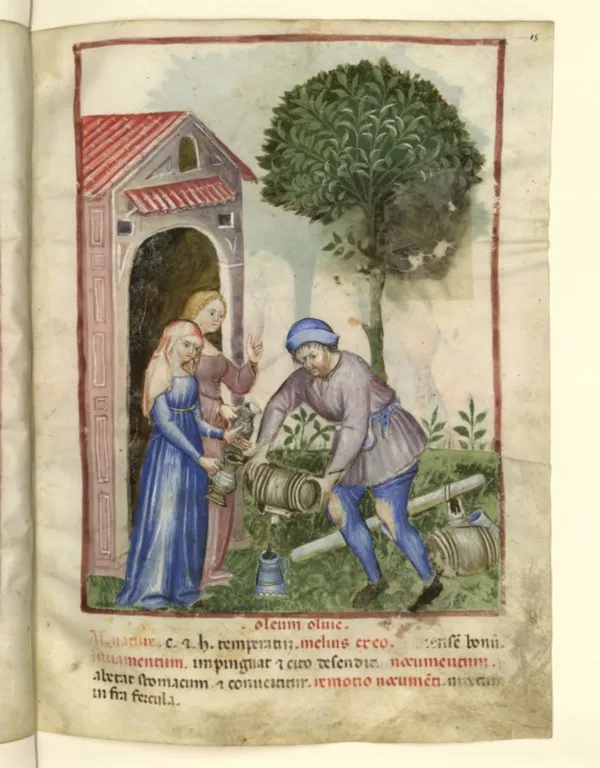
Anointing the body with oil was a common practice in the ancient world, serving to beautify, strengthen, and refresh the skin in hot climates. As part of the daily toilet, anointing accompanied washing and was a mark of comfort and self-care. To neglect anointing was a sign of mourning or fasting. Hosts showed honor to guests by anointing their heads with fragrant oil, as seen in the anointing of Jesus' feet by a penitent woman in Simon's house, and later by Mary of Bethany.
☩Consecration to Office
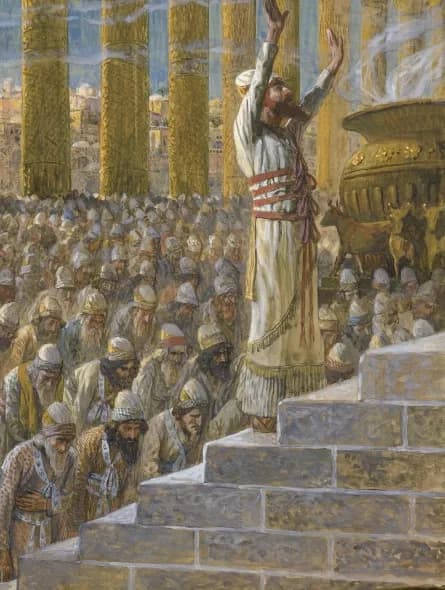
Anointing was the principal ceremony in the inauguration of the three typical offices of the Jewish commonwealth. Kings were anointed to signify their divine appointment and the power bestowed upon them—Saul, David, Solomon, and others received this rite. Priests were anointed with specially prepared holy oil to set them apart for service. Prophets too were occasionally anointed, being called 'anointed ones.' Even inanimate objects were anointed, including the tabernacle, its furniture, and altar, to consecrate them for sacred use.
☩Anointing for Healing
Oil was applied medicinally, especially for wounds, and the apostles anointed the sick with oil when healing them during their missionary journeys. James instructed that the sick should call for the elders of the church to pray over them and anoint them with oil in the name of the Lord. This anointing was not merely medicinal but sacramental, consecrating the patient to God and serving as a means of conveying divine healing power along with the prayer of faith.
☩Spiritual Anointing
The metaphorical use of anointing signifies the communication of the Holy Spirit. Christ, whose very title 'Messiah' means 'Anointed One,' was anointed with the Holy Spirit at His baptism, fulfilling Isaiah's prophecy. Believers likewise receive a spiritual anointing from the Holy One, which abides in them and teaches them all things. This anointing sets Christians apart as priests and kings unto God, marking their consecration for service and their reception of divine power.
Related Verses171 mentions
See Also

References
- 1.James Hastings (ed.), "Anointing," in Dictionary of the Apostolic Church, vol. I (T. & T. Clark, 1915–1918).
- 2.James Hastings (ed.), "Anointing," in Dictionary of Christ and the Gospels, vol. I (T. & T. Clark, 1906–1908).
- 3.George Morrish, "Anointing," in Morrish's Concise Bible Dictionary (George Morrish, 1898).
- 4.F. N. Peloubet & M. A. Peloubet (ed.), "Anointing," in Smith's Bible Dictionary (Porter & Coates, 1884).
- 5.Philip Schaff and Johann Herzog (ed.), "Anointing," in The New Schaff-Herzog Encyclopedia of Religious Knowledge, vol. I (Funk and Wagnalls, 1908–1914).