
Wheel(axles, rims, spokes, hubs)
“Ophan, a wheel; galgal from a root meaning 'to roll'”
Summary
Wheels were essential components of ancient vehicles and machinery, with both practical applications in transport and crafts, and powerful symbolic meaning in prophetic visions.
☩Construction and Uses
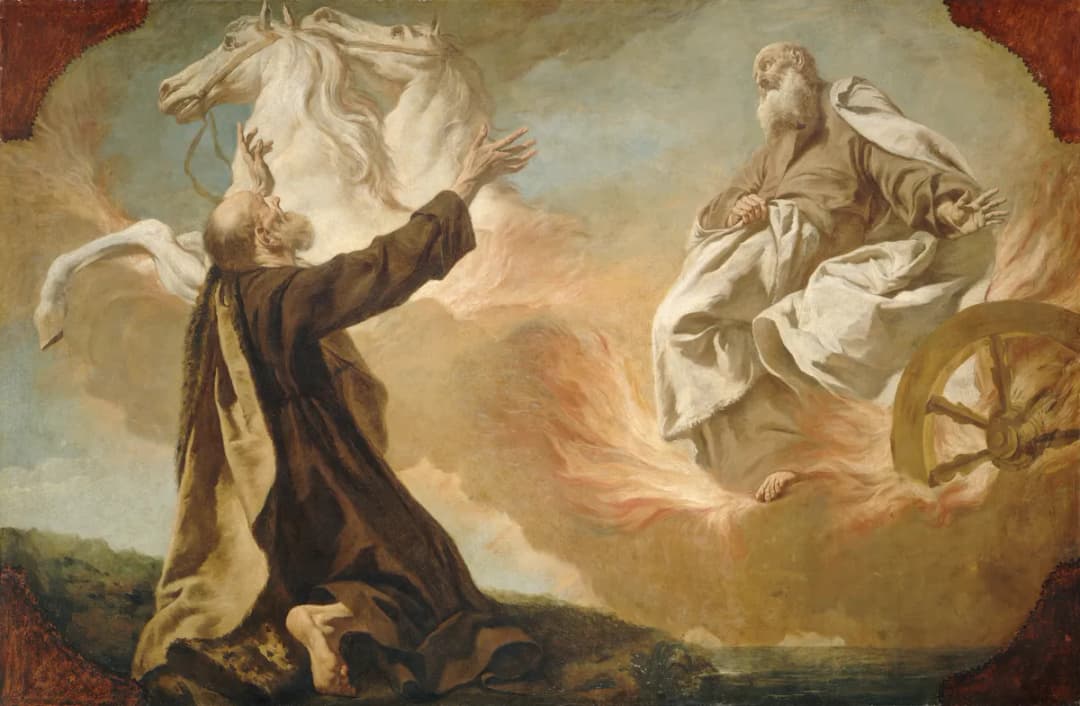
The Hebrew ophan is the usual word for chariot wheels, while galgal denotes any circular rolling object including the rollers of threshing wagons. Ancient wheels were constructed with axletrees, naves (hubs), felloes (rims), and spokes, often cast in metal as in the wheels under Solomon's brazen laver. Egyptian chariots featured wheels about three feet in diameter with wooden tires and felloes in six pieces. Assyrian wheels had six or eight spokes strengthened with metal bands. The potter's wheel (obnayim) was used for shaping clay vessels.
☩Figurative and Symbolic Uses
Ecclesiastes uses the 'wheel broken at the cistern' as a metaphor for death—the windlass for drawing water representing the body's mechanisms failing in old age. A wise king 'brings the wheel over the wicked,' executing judgment. Most dramatically, Ezekiel's vision describes mysterious wheels beside the living creatures, 'wheels within wheels,' full of eyes, moving with the creatures by the Spirit. These wheels, called 'whirling' in the Hebrew, symbolize the divine glory and providence in motion.
Related Verses32 mentions
See Also
References
- 1.John McClintock and James Strong, "Wheel," in Cyclopedia of Biblical, Theological and Ecclesiastical Literature, vol. X (Harper & Brothers, 1867–1887).
- 2.James Orr (ed.), "Wheel," in International Standard Bible Encyclopedia, vol. V (Howard-Severance Company, 1915).
- 3.American Tract Society, "Wheel," in American Tract Society Bible Dictionary (American Tract Society, 1859).
- 4.Chad Brand, Charles Draper, and Archie England (ed.), "Wheel," in Holman Illustrated Bible Dictionary (Holman Bible Publishers, 2003).