
Fort
“Stronghold, fortress, from a root meaning to hunt or lie in wait”
Summary
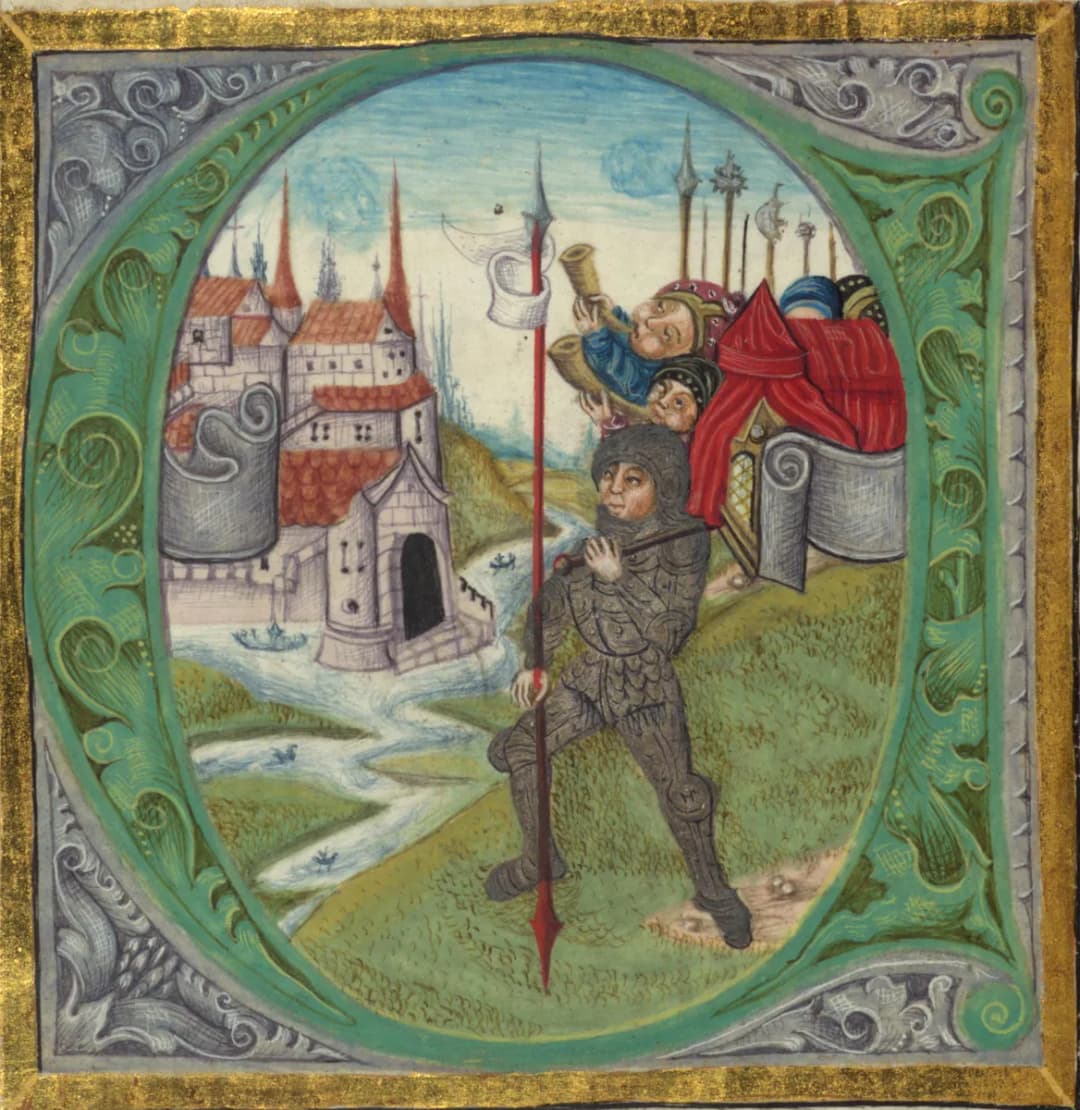
A stronghold, fortress, or fortified place used for defense, whether natural or constructed, often used figuratively of God as the believer's refuge and protection.
☩Types of Fortifications
Scripture uses several Hebrew terms for fortifications: metsad (a place of lying in wait), metsudah (a citadel on a hill, like the citadel of Zion), maoz (a stronghold fortified by nature and art), and dayyek (a watch-tower or scaling-tower used in sieges). Field fortifications were built during sieges (2 Kings 25:1, Ezekiel 4:2), while permanent defenses protected cities (2 Chronicles 26:15, Isaiah 25:12). Caves also served as natural forts (Judges 6:2, 1 Samuel 23:29).
☩Agricultural Towers
Forts or towers were erected in vineyards and herding grounds to protect crops and livestock from thieves and wild animals (2 Chronicles 26:10, Isaiah 5:2). Jesus referred to such a tower in His parable of the wicked tenants (Matthew 21:33, Mark 12:1). These structures served as lookout posts and places of refuge for workers.
☩God as Fortress
The imagery of fort and fortress is frequently applied to God as the believer's protection. David declared, 'The Lord is my rock, and my fortress, and my deliverer' (2 Samuel 22:2-3). The Psalms repeatedly celebrate God as a stronghold: 'The Lord is good, a stronghold in the day of trouble' (Nahum 1:7). This figurative use emphasizes God's reliability as a refuge more secure than any human fortification.
Related Verses28 mentions
References
- 1.John McClintock and James Strong, "Fort," in Cyclopedia of Biblical, Theological and Ecclesiastical Literature, vol. III (Harper & Brothers, 1867–1887).