
Cinnamon
“From a Phoenician word, possibly related to standing upright”
Summary
An aromatic spice from the bark of the cinnamon tree, used in the holy anointing oil and as a valuable perfume in ancient Israel.
☩Biblical Usage
Cinnamon (Hebrew: קִנָּמוֹן) first appears in Scripture as one of the ingredients employed in preparing the holy anointing oil, where Moses was instructed to take 250 shekels of 'sweet cinnamon' along with myrrh, calamus, and cassia. It is mentioned as a perfume in Proverbs 7:17 and among the precious spices in Song of Solomon 4:14. In Revelation 18:13, cinnamon is enumerated among the merchandise of 'Babylon' (Rome), indicating its continued value as a trade commodity.
☩Origin and Trade
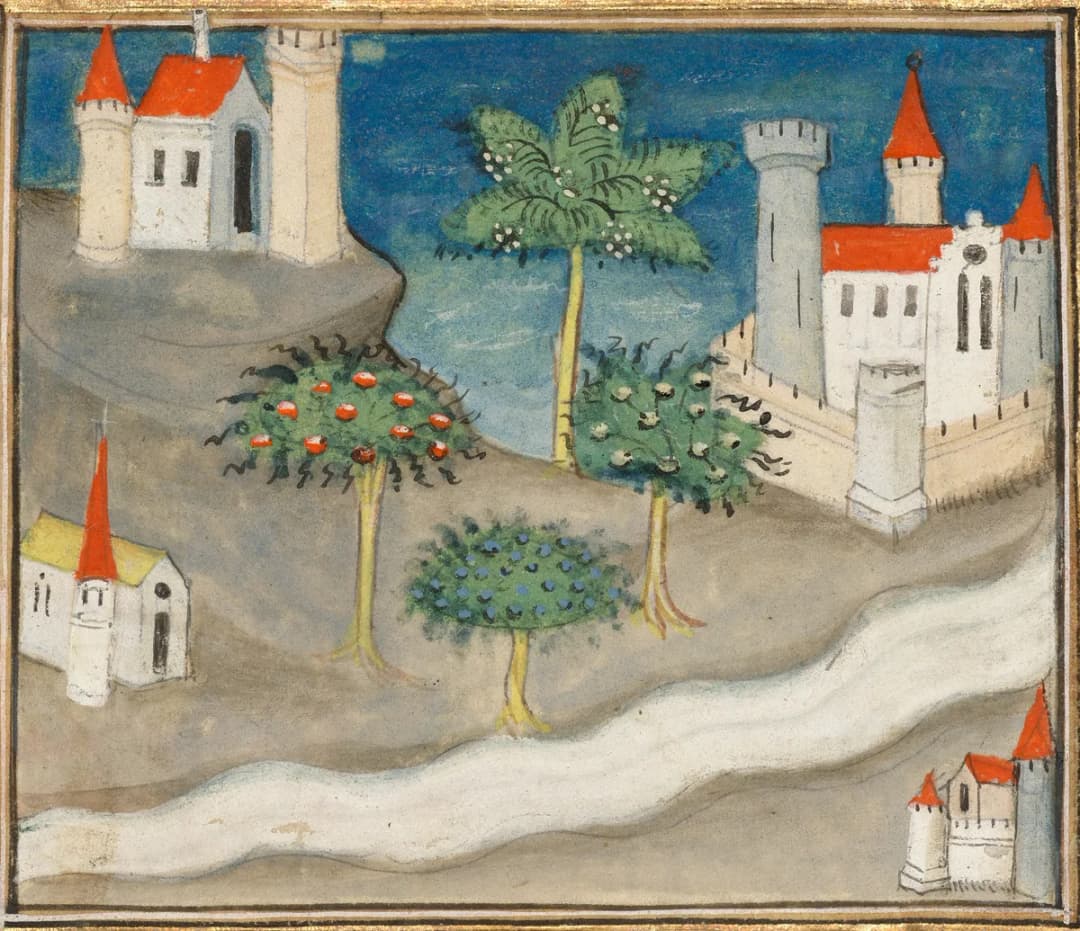
The cinnamon of antiquity was obtained from Ceylon (modern Sri Lanka) and the Malabar coast of India, where the cinnamon plant (Cinnamomum Zeylanicum) grows. The Hebrews likely received this Indian product through the Midianites and Nabateans, who brought it from the Arabian Gulf. Herodotus, writing 400 years before Christ, describes Arabia as producing cinnamon, though it actually came from more distant lands via trade routes. The bark was carefully cultivated, with the best cinnamon gardens being on Ceylon's southwestern coast where the soil is light and sandy.
☩Preparation and Quality
True cinnamon comes from a laurel-like tree about twenty feet in height with white blossoms. The finest cinnamon is obtained from twigs and shoots between half an inch and two to three inches in diameter. The peeling process involves making longitudinal incisions and elevating the bark with a peeling knife, after which the epidermis and pulpy matter are scraped off. In commerce, cassia bark was often substituted for true cinnamon, being similar in appearance but thicker, coarser, darker, and more pungent with a bitter aftertaste.
Related Verses4 mentions
See Also
References
- 1.John McClintock and James Strong, "Cinnamon," in Cyclopedia of Biblical, Theological and Ecclesiastical Literature, vol. II (Harper & Brothers, 1867–1887).
- 2.James Orr (ed.), "Cinnamon," in International Standard Bible Encyclopedia, vol. I (Howard-Severance Company, 1915).
- 3.George Morrish, "Cinnamon," in Morrish's Concise Bible Dictionary (George Morrish, 1898).