
Burial(funerals, sepulchre, tomb)
“Interment, sepulture”
Summary
The reverent interment of the dead, a sacred duty in Israel involving preparation of the body, mourning rites, and placement in tombs or graves.
☩Importance in Israel
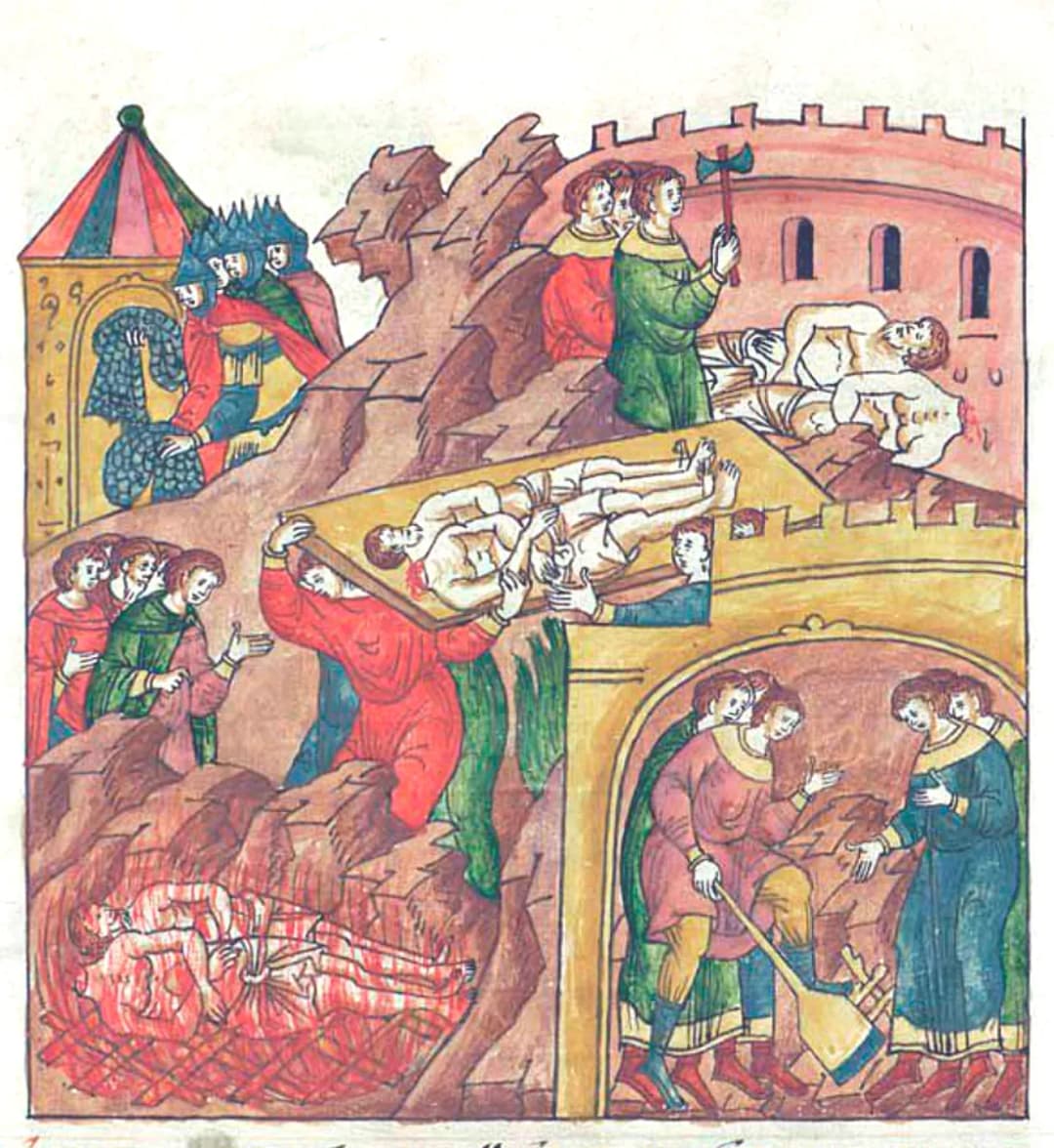
Proper burial was considered essential in Israel; to leave a body unburied was a terrible dishonor. Providing burial was a duty of piety, and burying the dead was considered meritorious even when it involved personal risk. The law required that even criminals executed by hanging be buried before nightfall. To be left unburied for birds and beasts to devour was a curse pronounced upon the wicked.
☩Preparation of the Body
Bodies were washed, anointed with aromatic spices, and wrapped in linen cloths. The wealthy used expensive spices like myrrh and aloes; Nicodemus brought about a hundred pounds for Jesus' burial. Eyes were closed, the body was wrapped, and the face covered with a separate cloth, as seen when Jesus raised Lazarus. Embalming in the Egyptian manner was rare, though Jacob and Joseph were embalmed.
☩Mourning Rites
Burial usually occurred on the same day as death due to the climate. Professional mourners, usually women, were hired to wail and lament. Mourning periods varied: seven days was common, thirty days for Moses, seventy days for Jacob. Mourners fasted, tore their garments, wore sackcloth, put dust or ashes on their heads, and sat on the ground.
☩Tombs and Graves
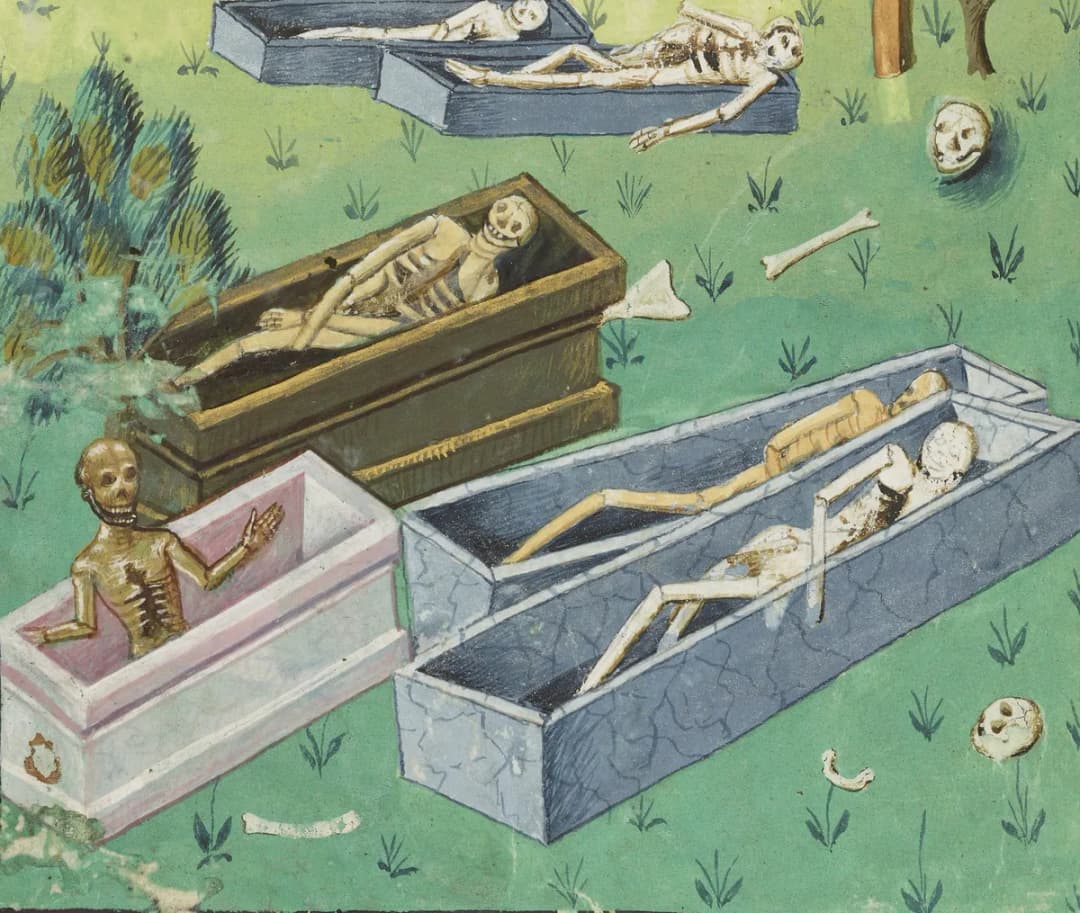
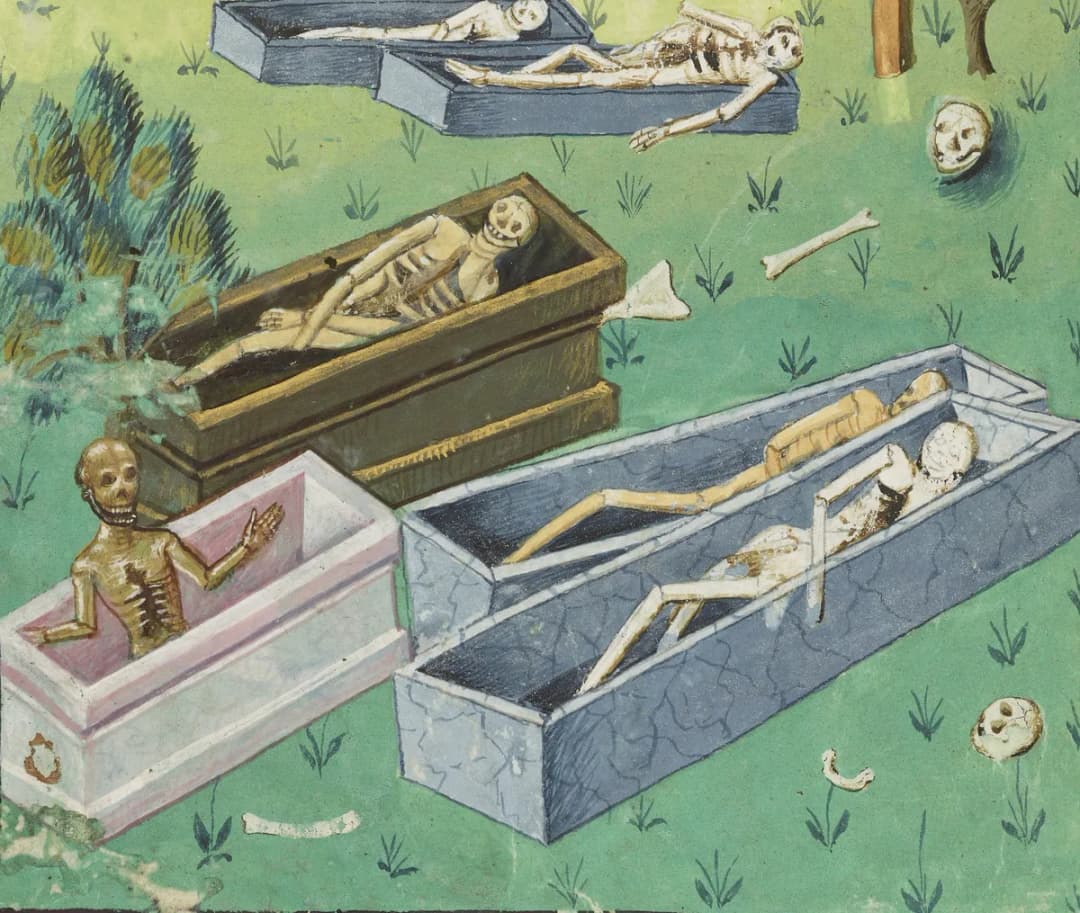
Israelites were buried in natural caves, rock-hewn tombs, or graves dug in the earth. Abraham purchased the cave of Machpelah as a family burial place. Rock tombs were sealed with large stones, and the rich had elaborate tombs hewn out, sometimes with multiple chambers. Wealthy families maintained ancestral tombs where generations were 'gathered to their fathers.'
☩Jesus' Burial and Resurrection
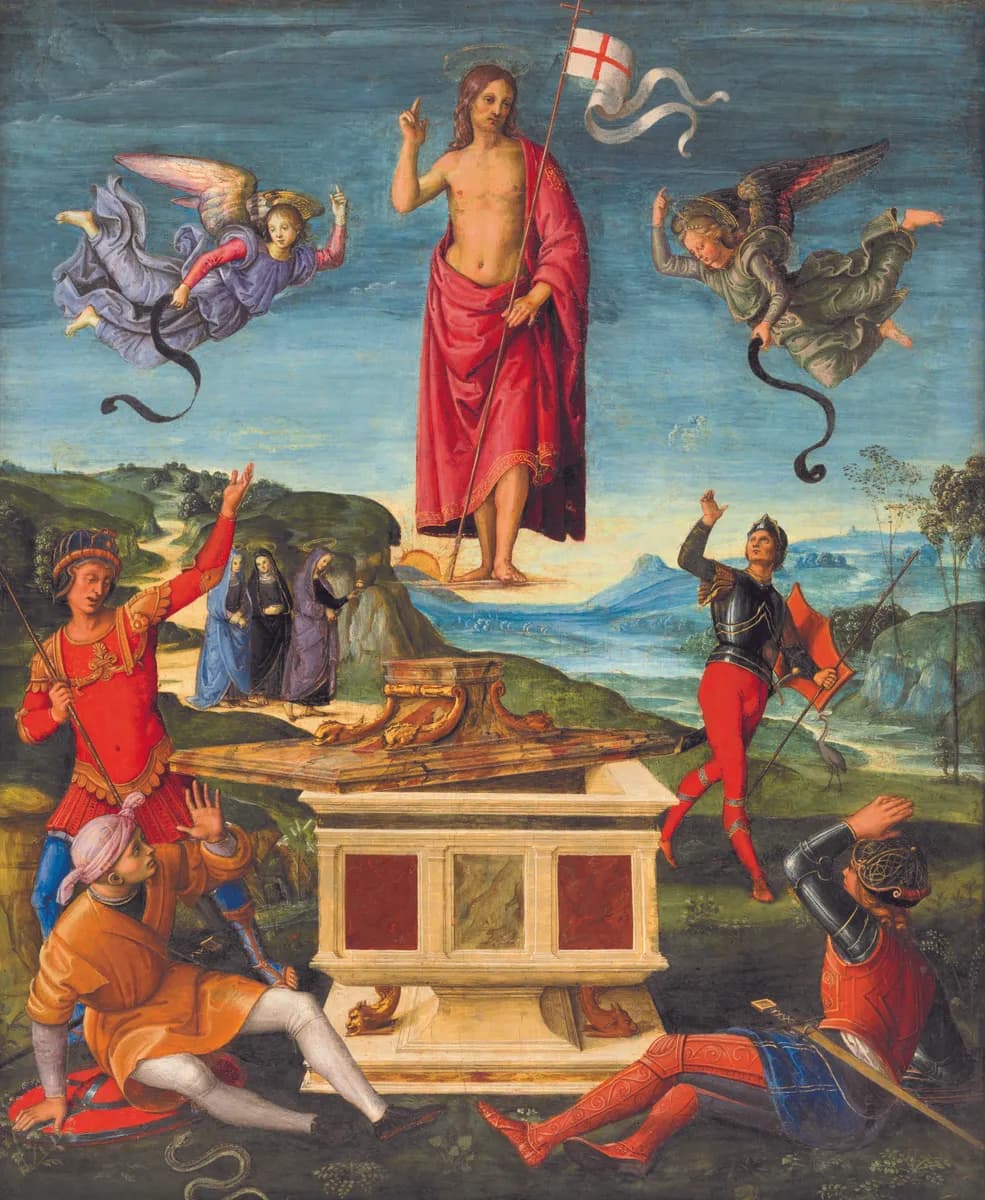
Joseph of Arimathea and Nicodemus buried Jesus in Joseph's new rock-hewn tomb, wrapping Him in linen with spices. The stone was rolled over the entrance and a guard was posted. On the third day the tomb was found empty, the grave clothes lying where the body had been, demonstrating that Jesus had risen bodily from the dead. Christ's resurrection transforms the meaning of burial for believers into a 'sleep' from which they will awake.
Related Verses123 mentions
References
- 1.John McClintock and James Strong, "Burial," in Cyclopedia of Biblical, Theological and Ecclesiastical Literature, vol. I (Harper & Brothers, 1867–1887).
- 2.James Orr (ed.), "Burial," in International Standard Bible Encyclopedia, vol. I (Howard-Severance Company, 1915).
- 3.James Hastings (ed.), "Burial," in Dictionary of Christ and the Gospels, vol. I (T. & T. Clark, 1906–1908).