
Pigeon
Summary
Pigeons, along with turtledoves, were the only birds permitted for sacrifice under the Mosaic law, especially as offerings affordable to the poor.
☩Use in Sacrifice
Pigeons and turtledoves were the only birds used for sacrifices under the Law of Moses. Young pigeons were prescribed for various offerings: as burnt offerings, in purifications from leprosy and personal uncleanness, for Nazarites, and for women after childbirth or menstruation. Notably, they served as substitute offerings when poverty prevented more costly sacrifices—a provision fulfilled when Mary offered 'a pair of turtledoves, or two young pigeons' at Jesus' presentation in the temple.
☩Domestic and Wild Pigeons
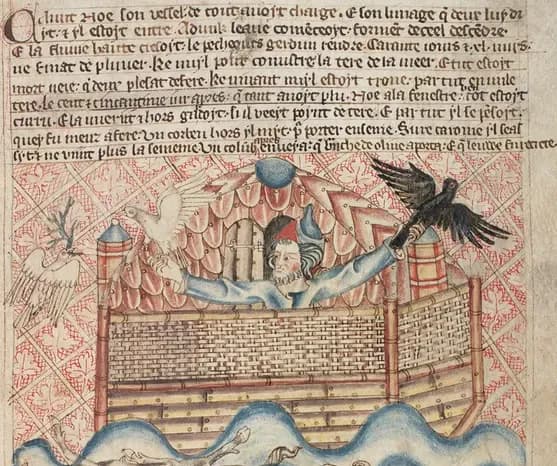
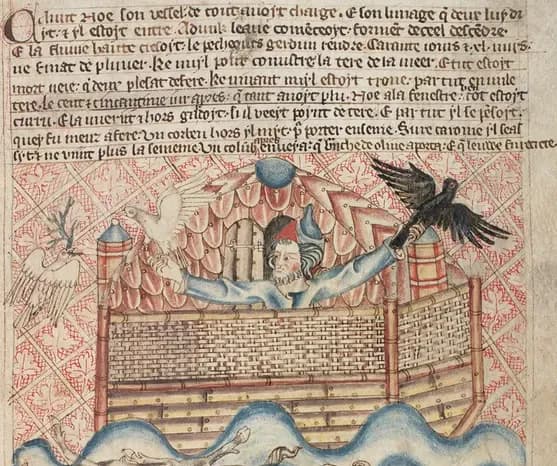
Pigeons were kept domestically in Palestine from early times. The rich provided elaborate cotes of molded pottery, while the middle classes used oven-baked clay structures, and the poor allowed birds to nest in holes cut above their doors. Wild rock pigeons swarmed in great numbers through rocky caves and over the plains, remaining throughout the seasons. For temple sacrifice, dealers in pigeons sat near the Temple precincts, as recorded in the Gospel accounts of Jesus cleansing the Temple.
☩Symbolic Uses
The flight of the pigeon served as a poetic figure for swiftness. In the Song of Solomon, the eyes of the beloved are compared to doves, expressing attachment and innocence. The voice of the dove is represented by poets as a sigh or expression of sorrow. Jesus instructed his disciples to be 'wise as serpents and harmless as doves,' using the dove as an image of innocence.
Related Verses12 mentions
References
- 1.John McClintock and James Strong, "Pigeon," in Cyclopedia of Biblical, Theological and Ecclesiastical Literature, vol. VIII (Harper & Brothers, 1867–1887).
- 2.James Orr (ed.), "Pigeon," in International Standard Bible Encyclopedia, vol. IV (Howard-Severance Company, 1915).
- 3.George Morrish, "Pigeon," in Morrish's Concise Bible Dictionary (George Morrish, 1898).