
False Teachers(errors)
“False prophet, pseudo-prophet”
Summary
Those who claim to speak for God but deceive through false doctrine, whether prophets who spoke from their own hearts, those who borrowed messages, or those seeking material gain.
☩Types of False Prophets
False prophets in the Old Testament included those who spoke after 'the deceit of their own heart' (Jeremiah 14:13-14), those who without genuine prophetic gift borrowed messages and assumed prophetic speech (Jeremiah 23:28, 31), and those who sought the prophet's role for material gain (Micah 3:5). Some were self-deceived, honestly believing they had a message from God. The only reliable test was the spiritual character of the utterance. In moral darkness, false prophets predicting smooth things were honored above true prophets who emphasized righteousness.
☩New Testament Warnings
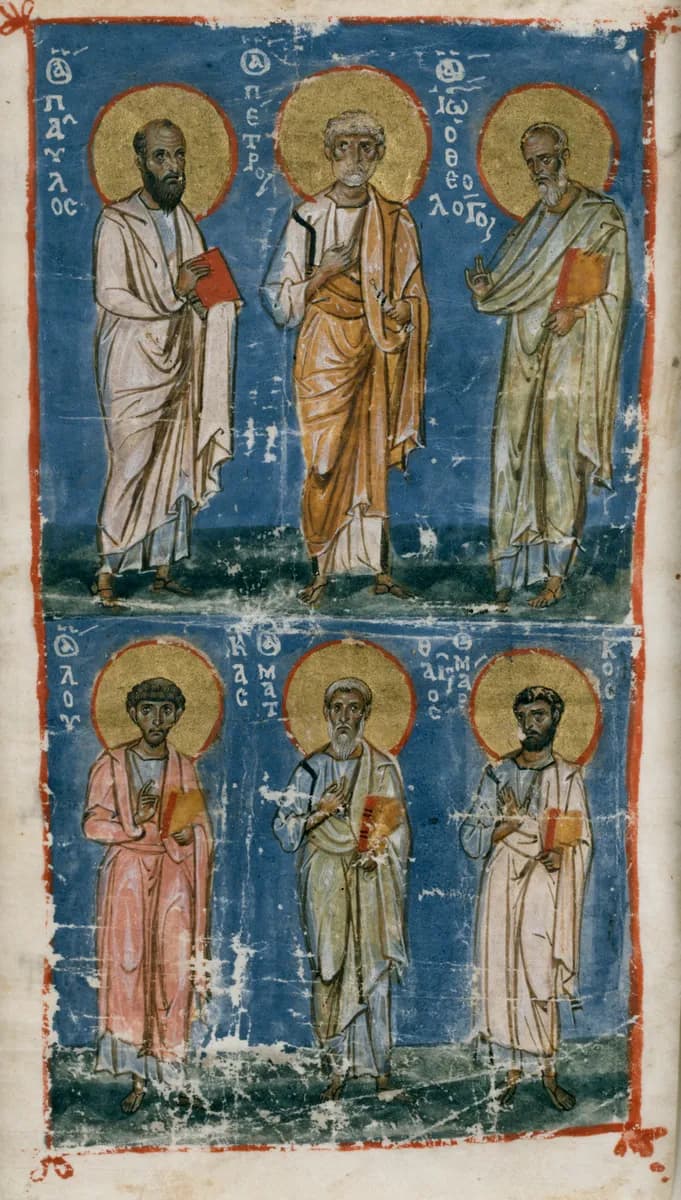
Jesus warned His disciples: 'Beware of false prophets, which come to you in sheep's clothing, but inwardly they are ravening wolves' (Matthew 7:15). He predicted that in the last days 'many false prophets shall rise, and shall deceive many' (Matthew 24:11). The apostles likewise warned against false teachers who would introduce destructive heresies (2 Peter 2:1), and against 'false apostles, deceitful workers, transforming themselves into the apostles of Christ' (2 Corinthians 11:13).
☩The False Prophet
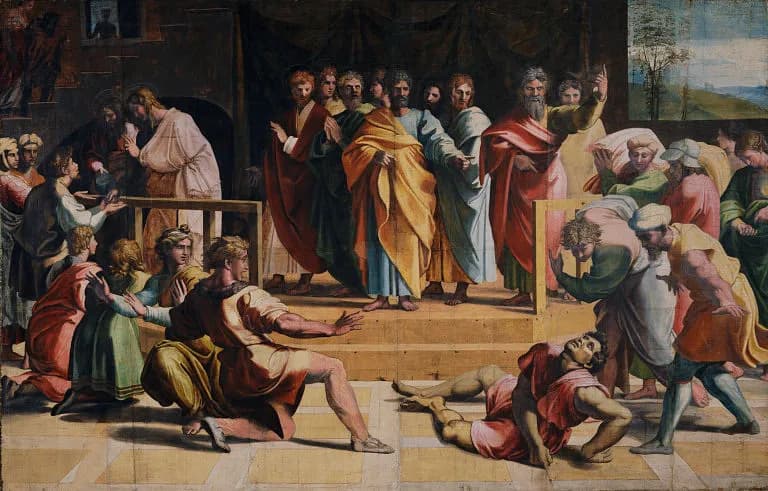
In Revelation, 'the false prophet' appears as a distinctive figure supporting the beast and the secular power (Revelation 16:13, 19:20, 20:10). This represents the culmination of religious deception, working signs and wonders to deceive those who received the mark of the beast. The false prophet is ultimately cast into the lake of fire, demonstrating God's final judgment on all religious falsehood.
Related Verses22 mentions
References
- 1.James Orr (ed.), "Prophesyings, False," in International Standard Bible Encyclopedia, vol. II (Howard-Severance Company, 1915).
- 2.John McClintock and James Strong, "False Prophet," in Cyclopedia of Biblical, Theological and Ecclesiastical Literature, vol. III (Harper & Brothers, 1867–1887).